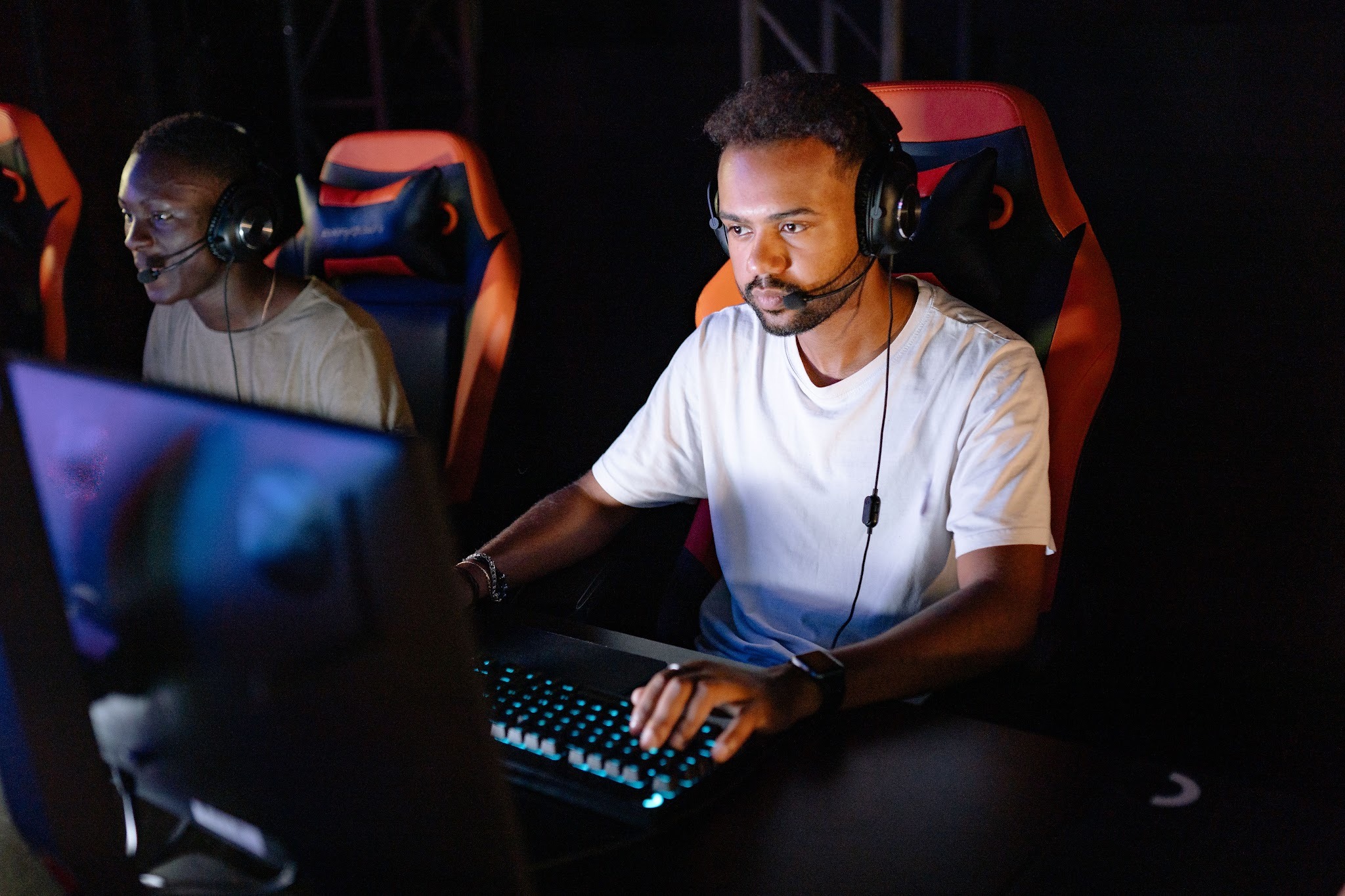
Downtime isn’t wasted, especially when it involves playing games. Plenty of research and cultural trends point to some real benefits when it comes to spending time online.
Picture this; a long day finally ends, you shut your laptop and next thing you know, you’re reaching for your phone to sneak in a quick game. Then that little wave of guilt creeps in. Sound familiar? Well, you can ditch the guilt, more and more evidence backs you up.
Online gaming, whether that’s a competitive match, a chill puzzle or a session on a platform with sports betting and casino games, keeps proving itself as more than just a time killer. It’s a legit tool for recovery and healthy downtime.
Your brain actually needs a break
It shouldn’t be ignored, stress is everywhere and it’s not letting up. Aflac’s 2025 WorkForces Report found that 72% of US workers feel moderate-to-high stress, more than in years, and that’s just the new normal.
And science says real recovery doesn’t mean doing nothing. Instead, you need to shift your focus to something fun and low-pressure. That’s exactly what gaming offers. It grabs your attention just enough to snap you out of work mode, but doesn’t take the kind of effort that leaves you more drained.
Gaming platforms have matured
Part of what makes online gaming so easy to fit into busy lives these days is just how much the platforms have changed. It’s not just high-pressure shooters or endless RPGs anymore. There’s a game for every mood and energy level now.
Look at Betway South Africa, it brings together sports betting, virtual sports and online casino games, all tailored for local fans. Whether folks want to track live sports, bet on their favorite teams or just unwind with some casino spins, they’re set. That kind of flexibility is perfect for people squeezing in playtime between everything else, not setting aside a whole evening.
In 2026, community platforms and hybrid experiences that blend classic online casino games with live group activities are everywhere. The industry’s shifting to meet gamers wherever and whenever they have time.
The facts on stress relief
The Entertainment Software Association’s 2025 Global Power of Play report backed up what gamers already know. Out of more than 24,000 players from 21 countries, 81% said video games give them mental stimulation and 80% said games help them relax. That’s not a small slice of people, that’s most players, from all over the world, saying the same thing: Games help them unwind.
About 77% said games lower their stress, 70% felt less anxiety and 64% credited gaming with easing loneliness. Those numbers aren’t just big; they totally flip that old “I just want to zone out” idea on its head.
More social than you’d think
A lot of people still believe gaming is some antisocial and lonely hobby. The facts say otherwise. Pew Research found in 2024 that nearly half of American teens use games to make new friends or stay close to the ones they have. This ability to connect doesn’t suddenly vanish when you’re out in the real world, either.
A 2019 study in Frontiers in Psychology reported that gaming boosts stress relief, autonomy and that sense of belonging and social health. So, as researchers dig into online friendships, it’s getting harder to argue they’re “less real” than meeting up in person.
For adults juggling deadlines, kids and hectic calendars, gaming sometimes becomes the one place where they actually meet people who get them, with none of the hassles of scheduling a meet-up.
Short sessions do the trick
A big worry for some is that gaming takes too much time to really help with everyday stress. Studies say otherwise, even short gaming stints provide a mood boost and help calm the body’s stress response. You don’t need a two-hour marathon to get the good stuff.
According to the 2025 ESA report, the top reasons people game are to have fun, beat stress and keep their minds sharp, and none of those require endless hours. A 20-minute burst between meetings, a quick game at lunch or some downtime before sleep can work wonders.
The real trick? Treat it like any other self-care habit. It’s not just zoning out; it’s an active, refreshing break.
Community matters
There’s one more upside to regular gaming that deserves attention: Community. In 2026, gaming circles are basically digital social clubs, giving people a sense of identity, support and fun that stretches far beyond the screen.
For folks who live where social isolation is pretty common, or work remotely, where most face-to-face chatter is on a video call, a steady gaming group can be a lifesaver. It brings routine, familiarity and belonging that’s honestly tough to get elsewhere.
A 2025 study in Humanities and Social Sciences Communications found that multiplayer online games really do help people feel connected, almost like those casual chats at work or the local pub used to.
About The Author