Indoor spaces are often difficult to cool when heat moves through the roof. People frequently prioritize windows or cooling systems but roofing materials and insulation are also responsible for indoor temperatures. Because the roof is in direct sunlight, it absorbs heat and transfers it to the rooms below – this process is why cooling systems must operate more frequently, which increases electricity costs.
Reducing heat entry requires a balance of insulation, ventilation and regular care. Small changes are helpful for comfort and lower the need for air conditioning. A roof that is in good condition is also resistant to moisture and damage from high temperatures.
Roof Insulation
Insulation is useful because it slows the movement of heat from the attic into the living areas. If insulation is absent, hot air in the attic is likely to increase the temperature of the home. Materials like fiberglass or spray foam are barriers that limit how much heat enters.
Many older homes have insulation that is thin or damaged – Replacing these materials is a way to make the home more comfortable and lower the work required – cooling systems. Improved insulation is often a reason for lower utility bills because the air conditioner is not required to run as often.
Attic Ventilation
Ventilation is necessary to remove hot air that stays under the roof. If air does not move, attic temperatures are high and heat transfers into the house. Ridge vents and attic fans are tools that move air to prevent heat from building up.
Airflow is also a way to protect roofing materials from heat damage. Shingles are prone to wearing out quickly if the attic is too hot. Homeowners who are considering air conditioner installation Brampton services are often encouraged to fix ventilation first, as this makes cooling systems more efficient.
Roofing Materials
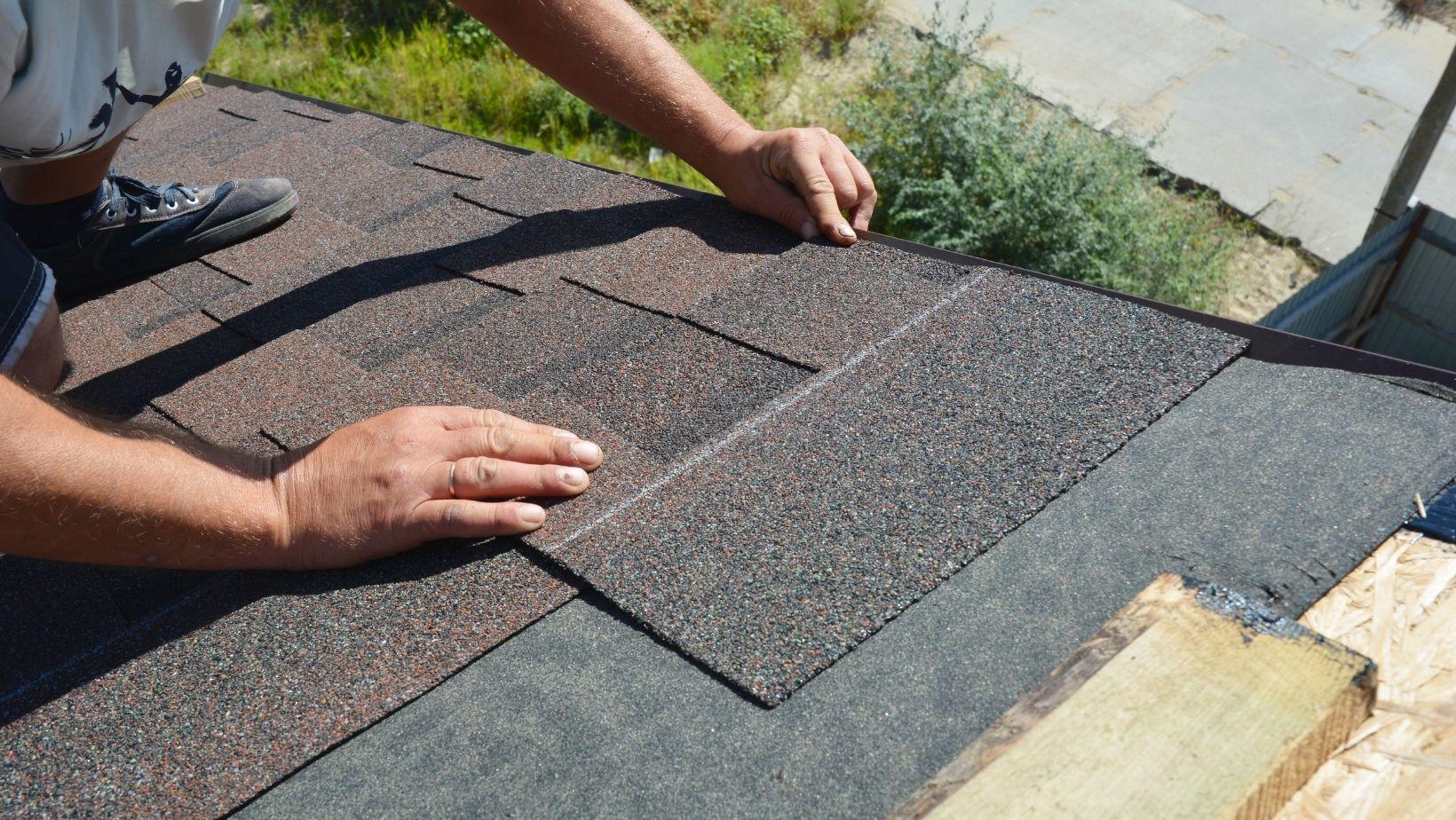
The specific material on a roof is a factor in how much heat the building absorbs. Surfaces that are dark in color are known to absorb and hold heat for a long time. Materials that are light in color or reflective are better at keeping surface temperatures low.
Modern products are available that reflect sunlight away from the house. Metal roofs and coated systems are common choices because they are effective at reducing heat. While new roofing is an expense, the reduction in cooling costs is a long term benefit.
Roof Maintenance
Regular inspections are a way to prevent structural issues that increase indoor heat. Gaps or damaged shingles are places where warm air is able to enter the attic. Issues that are small can become expensive if they are not fixed before the summer.
Removing debris from gutters is also important for airflow – Dirt and leaves are substances that trap moisture and heat, which causes materials to wear out. Checking the roof before the summer is a polite way to ensure the home is ready for high temperatures.
Interior Heat Reduction
Controlling heat sources inside the home is a way to support the roof. Appliances and lights are factors that make rooms warmer. Using efficient bulbs and avoiding large appliances during the day are simple ways to keep the house cool.
People sometimes seek air conditioner repair for their cooling systems when the real problem is heat from the roof. A cooling system is often less effective when the attic is extremely hot. Reducing the heat coming from the roof is a way to help the air conditioner work better.
Long Term Energy Savings
Property owners save money on energy and maintenance when they prevent heat from entering through the roof. Cooling systems are more durable plus efficient because the attic space is cool. Insulation is also effective for maintaining a consistent interior temperature during the summer and winter.
Modifications to the roof are advantageous for reasons beyond utility expenses. A house is protected but also its market price is higher when it features functional ventilation and durable materials. Residents are comfortable as well as spend less on cooling when they implement these upgrades.
About The Author