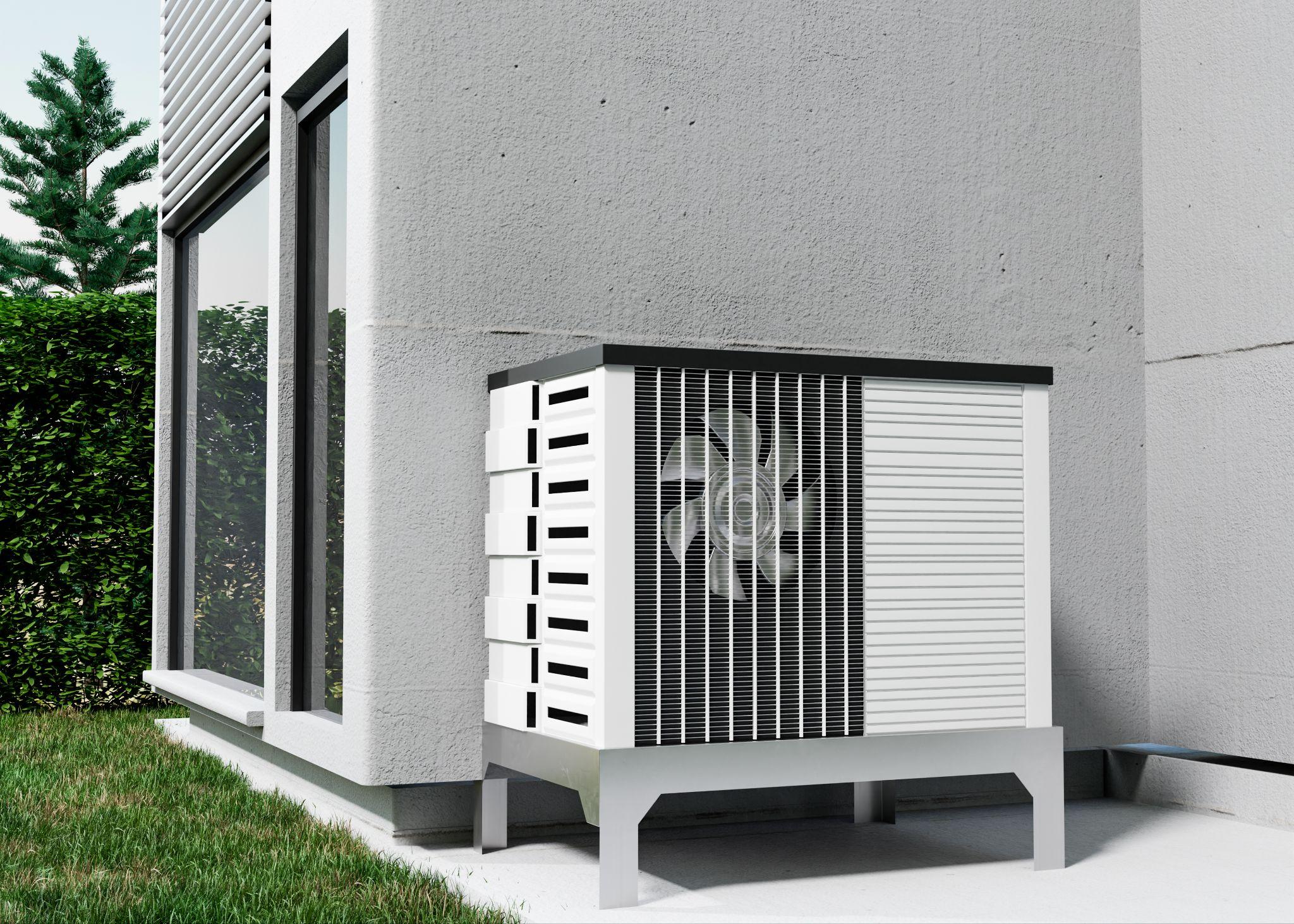
Two common residential heat pump options are air-source and ground-source, or geothermal, systems. Both transfer heat rather than generating it directly, but air-source systems exchange heat with outdoor air, while geothermal systems exchange heat with the ground or a suitable water source.
Before scheduling heat pump installation in Hamilton, homeowners should compare air-source and geothermal systems based on the property, climate, available space, installation requirements, expected operating costs, and long-term plans.
Which Heat Pump Is More Energy-Efficient?
Both air-source and geothermal heat pumps can be highly efficient. Geothermal systems often provide more stable performance because underground temperatures fluctuate less than outdoor air temperatures, but actual efficiency depends on the equipment, system design, installation quality, climate, and building. Air-source heat pumps use heat that already exists in the surroundings.
The effectiveness of such types of heat pumps can be influenced by the climate since there would not be enough heat in winter.
Which Heat Pump Performs Better in Cold Weather?
In colder weather, performance is a key factor to take into account, as the temperature can drop significantly in Hamilton.
Geothermal has several main benefits in colder climates:
- Consistent heat-source temperatures
- Reduced reliance on outside air temperatures.
- Top performance in long-term colder weather
- Good efficiency during the heating season.
Properly sized for the property, a good cold-climate air-source heat pump typically requires less installation and has the potential to reliably provide heating.
Which System Costs More to Install?
Geothermal systems generally require a larger up-front investment of $17,000 to $32,000. It is normally easier to install an air-source heat pump. The outside unit is attached to the inside equipment, and typically there’s already ductwork in many houses.
Air-source heat pumps might be a better option if you:
- Are on a budget for how much to install.
- Want a quicker, less disruptive installation
- Already have suitable ductwork
- Don’t have a lot of backyard room.
- Do not wish excavation/drilling to be done on your property
Though geothermal is not economical compared to ordinary heat on a daily basis of use, the efficiency and the possibility of longevity might prove helpful in balancing some of the upfront costs incurred.
Which Heat Pump Has Lower Operating and Maintenance Costs?
It is cheaper to run the geothermal heat pump because of its energy efficiency and source of heat. Maintenance of the air source heat pump is easy, but the external parts are exposed to the environment all the time.
Regular maintenance from a reputable company such as Comfort Solutions will involve, but not be limited to:
- Maintenance and replacement of air filters
- Inspecting electrical connections
- Checking refrigerant levels and components
- Cleaning coils and other easily accessible parts
- Checking airflow
- Checking the system for wear or damage
Geothermal could be less expensive to operate, but its unique equipment and operating system can increase repair costs when necessary.
Which Heat Pump Lasts Longer?
If properly maintained, many geothermal systems can be relied upon for a service life of approximately 15 years or longer. Geothermal heat pump systems have fewer components that are exposed to the outdoors.
Some of the inputs that can reduce the lifetime of a heat pump are:
- Goodness of the original workmanship
- Maintenance schedules by tradesmen/firm
- The amount of usage the system has (heavy use vs. light use).
- Local weather conditions
- Proper equipment sizing
- Quality of individual components
This is one of the best pros of geothermal power, which particularly affects homeowners who are considering staying in their home for many years.

Which System Requires More Space and Property Work?
There is much more in the way of planning that is needed for a geothermal system. The ground loop has to be installed under the property, either by:
- Horizontal loops: Require a larger area of land for excavation.
- Vertical loops: Drilled boreholes and may be more effective in low-land areas.
- Water-based systems: May be possible where there is an appropriate water source in the area.
The correct option will depend on the scale of property, structure, local laws of transfer, and many other conditions.
Which Heat Pump Is Better for Cooling and Year-Round Comfort?
Both are able to be powerful year-round solutions, as both can deliver both warmth and cooling.
The following are sample corporate functions that both systems can deliver:
- Heating during winter
- Cooling during summer
- More stable indoor temperatures.
- An alternative to having separate heating and cooling systems.
- Compare potential energy savings with conventional ones
The efficiency of geothermal systems is not always greater than air-source systems since there are numerous problems affecting their efficiency.
Conclusion
In the end, the decision will be based on what type of property you own, how much money you have to spend, the area, and your future plans. After taking into consideration the cost of air-source or geothermal heat pump installation and the performance of the system throughout its life, you can make an informed decision regarding the right heat pump technology for you with the help of an HVAC professional.
About The Author