Your home’s HVAC system plays a critical role in maintaining indoor comfort throughout the year. Whether you’re trying to stay cool during the summer or warm during the winter, your heating and cooling equipment works hard every day to create a comfortable living environment. However, like any major household system, HVAC equipment doesn’t last forever. As systems age, they become less efficient, more expensive to operate, and increasingly prone to breakdowns.
Many homeowners turn to trusted HVAC professionals like Guthrie & Sons when evaluating whether their current system should be repaired or replaced. In recent years, heat pumps have become one of the most popular replacement options due to their energy efficiency, year-round performance, and ability to provide both heating and cooling from a single system. If you’re wondering whether it’s time to upgrade, recognizing the warning signs can help you make a smart investment before costly problems arise.
What Is a Heat Pump?
Before discussing the signs of replacement, it’s important to understand what a heat pump is and why so many homeowners are making the switch.
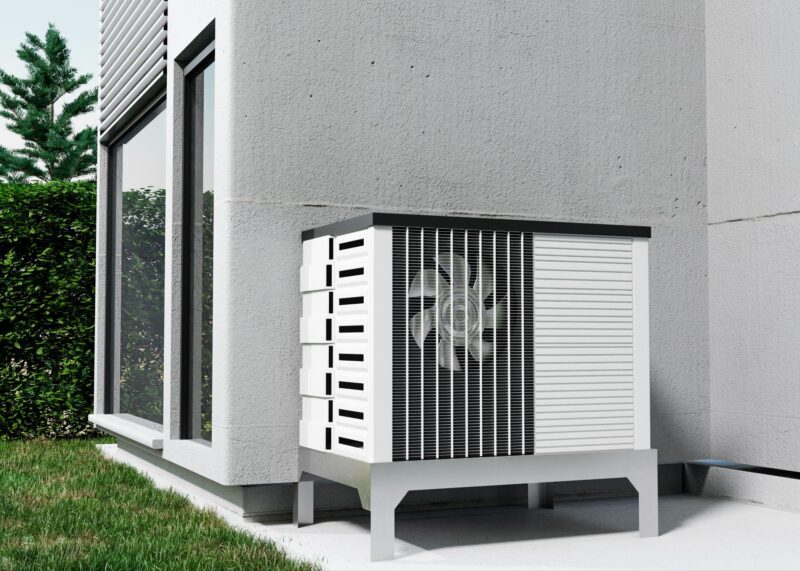
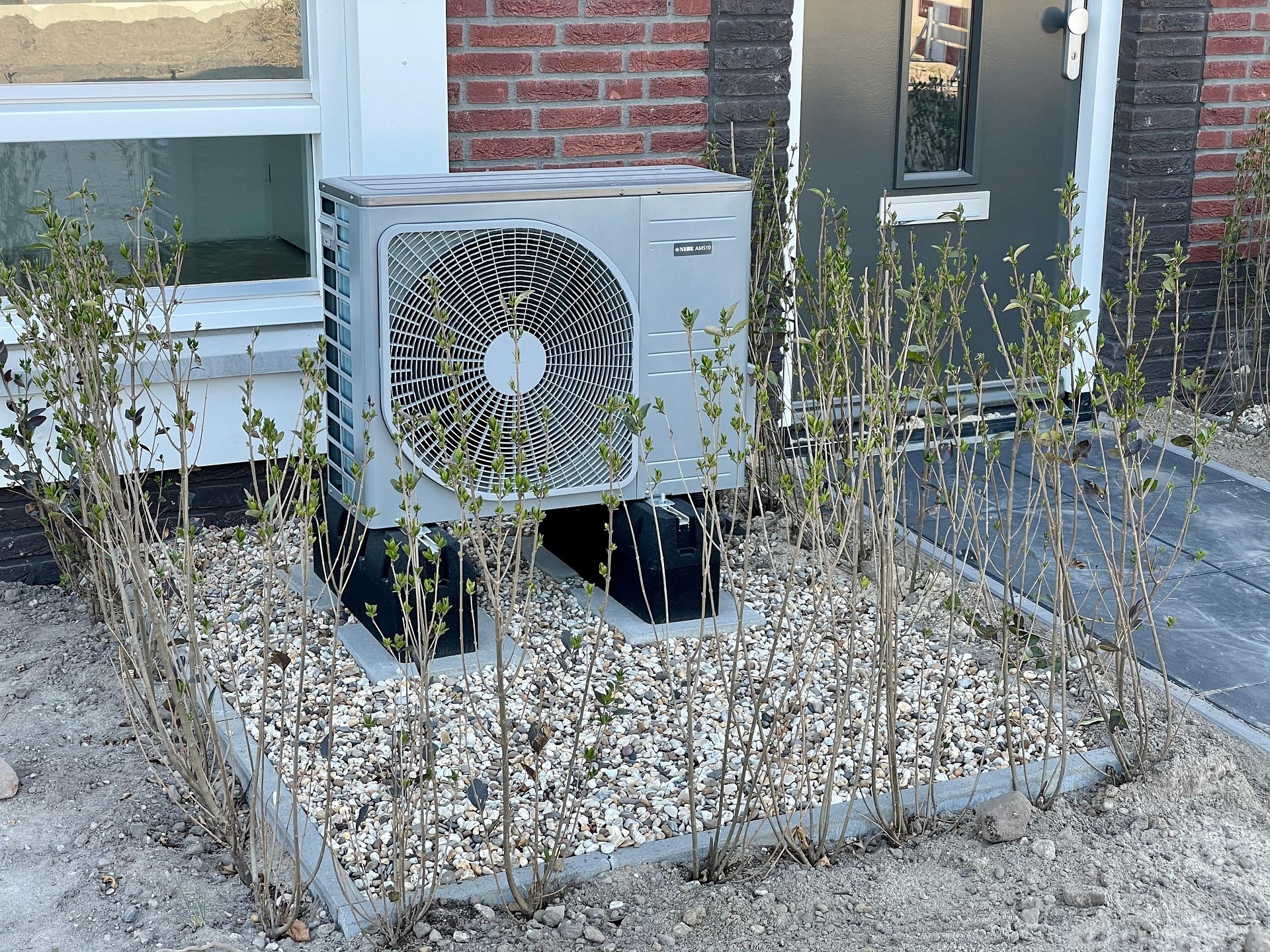
Unlike traditional HVAC systems that use separate equipment for heating and cooling, a heat pump provides both functions in a single unit. During warm weather, it removes heat from your home and transfers it outdoors. During cooler weather, it extracts heat from the outside air and transfers it indoors.
Modern heat pumps offer several benefits:
● High energy efficiency
● Lower utility costs
● Year-round comfort
● Environmentally friendly operation
● Improved temperature control
● Reduced carbon footprint
Because of these advantages, heat pumps have become a preferred option for homeowners seeking long-term energy savings and comfort.
Sign #1: Your HVAC System Is More Than 10–15 Years Old
Age is one of the most important factors when evaluating HVAC replacement. Most traditional heating and cooling systems have an average lifespan of approximately 10 to 15 years, depending on maintenance, usage, and equipment quality.
As systems age, several issues become more common:
● Reduced efficiency
● Increased repair frequency
● Difficulty maintaining comfort
● Higher operating costs
● Obsolete components
Even if your older system still functions, it may be consuming significantly more energy than newer equipment.
Modern heat pumps incorporate advanced technologies such as variable-speed compressors and inverter-driven motors that dramatically improve efficiency compared to older HVAC systems.
If your equipment is approaching or exceeding 15 years of age, replacement may provide greater value than continued repairs.
Sign #2: Energy Bills Continue to Rise
Many homeowners first notice HVAC problems when utility bills begin climbing unexpectedly. While energy costs naturally fluctuate, a steady increase in heating and cooling expenses often indicates declining system performance.
Several factors contribute to rising energy consumption:
● Worn components
● Reduced airflow
● Aging compressors
● Refrigerant issues
● Decreased efficiency
Older systems must work harder to achieve the same level of comfort, resulting in higher electricity usage.
Heat pumps are known for their exceptional energy efficiency. By transferring heat rather than generating it through combustion or electric resistance, they consume significantly less energy than many traditional systems.
If rising utility bills are becoming a concern, upgrading to a modern heat pump could provide substantial long-term savings.
Sign #3: Frequent Repairs Are Becoming the Norm
Every HVAC system occasionally requires maintenance or repairs. However, when service calls become frequent, replacement often becomes the more cost-effective solution.
Common warning signs include:
● Multiple repairs within a year
● Recurring component failures
● Increasing repair costs
● Difficulty finding replacement parts
● Repeated system shutdowns
Homeowners sometimes continue investing in repairs because replacing the entire system seems expensive. However, ongoing repair costs can quickly add up and exceed the value of the aging equipment.
A new heat pump provides greater reliability and often includes manufacturer warranties that reduce future repair expenses.
Sign #4: Uneven Temperatures Throughout Your Home
Do some rooms feel comfortable while others remain too hot or too cold? Uneven temperatures often indicate that your HVAC system is struggling to distribute conditioned air effectively.
Potential causes include:
● Aging equipment
● Poor airflow
● Ductwork issues
● Declining system capacity
● Inconsistent operation
When an HVAC system can no longer maintain consistent temperatures, comfort suffers and energy efficiency decreases.
Modern heat pumps offer advanced temperature management features that help improve comfort throughout the home. Many systems include variable-speed technology that continuously adjusts output based on demand, resulting in more consistent indoor temperatures.
If comfort issues are becoming increasingly noticeable, replacement may be the best solution.
Sign #5: Your System Uses Outdated Refrigerant
Many older HVAC systems rely on refrigerants that are being phased out due to environmental regulations. One common example is R-22 refrigerant, which has become increasingly expensive and difficult to obtain.
If your system requires a refrigerant recharge and uses outdated refrigerant, repair costs can be substantial.
Challenges associated with older refrigerants include:
● Higher service costs
● Limited availability
● Environmental concerns
● Regulatory restrictions
Replacing an aging HVAC system with a modern heat pump eliminates these concerns and provides access to newer, environmentally friendly refrigerants that comply with current standards.
Sign #6: Excessive Noise During Operation
All HVAC systems generate some level of noise during normal operation. However, unusual or excessive sounds often indicate internal problems.
Common warning noises include:
● Grinding
● Squealing
● Rattling
● Banging
● Buzzing
These sounds may signal:
● Worn bearings
● Loose components
● Compressor problems
● Fan motor issues
● Airflow restrictions
While some noise-related problems can be repaired, persistent issues in older systems often suggest broader equipment deterioration.
Modern heat pumps are designed for quiet operation. Many homeowners notice a significant reduction in indoor and outdoor noise levels after upgrading to newer equipment.
Improved comfort isn’t just about temperature—it also includes creating a quieter indoor environment.
Sign #7: Poor Indoor Air Quality
Indoor air quality has become an increasingly important consideration for homeowners. An aging HVAC system can negatively impact air quality by circulating dust, allergens, and contaminants throughout the home.
Warning signs may include:
● Increased dust accumulation
● Allergy symptoms
● Poor humidity control
● Musty odors
● Inconsistent airflow
Older systems may struggle to effectively filter and condition indoor air.
Many modern heat pumps incorporate advanced filtration technologies and improved humidity control features that contribute to healthier indoor environments.
Replacing an outdated system can improve comfort while supporting better overall air quality for your family.
Additional Benefits of Upgrading to a Heat Pump
While addressing HVAC problems is a common reason for replacement, heat pumps offer several advantages beyond solving existing issues.
Year-Round Heating and Cooling
Heat pumps eliminate the need for separate heating and cooling systems by providing both functions in a single unit.
This simplifies maintenance and can reduce equipment-related expenses over time.
Enhanced Energy Efficiency
Modern heat pumps are among the most energy-efficient HVAC solutions available.
Benefits include:
● Lower electricity consumption
● Reduced utility bills
● Improved seasonal performance
● Greater environmental sustainability
Environmentally Friendly Operation
As homeowners become more environmentally conscious, heat pumps offer a cleaner alternative to systems that rely on fossil fuels.
Because they transfer heat rather than generate it through combustion, they produce fewer emissions and contribute to reduced environmental impact.
Increased Home Value
Energy-efficient upgrades are often attractive to prospective buyers.
A modern heat pump can enhance property value by offering:
● Lower operating costs
● Updated technology
● Improved comfort
● Reduced maintenance concerns
For homeowners planning future resale, HVAC upgrades can contribute positively to market appeal.
Repair vs. Replacement: How to Decide
One of the most common questions homeowners face is whether to repair their current system or replace it entirely.
Several factors can help guide the decision:
Consider Replacement If:
● The system is over 10–15 years old.
● Repairs are becoming frequent.
● Utility bills are increasing.
● Comfort issues persist.
● The system uses outdated refrigerant.
● Major components have failed.
Consider Repair If:
● The system is relatively new.
● Problems are minor and isolated.
● Repair costs are low.
● Energy efficiency remains acceptable.
A professional HVAC evaluation can help determine the most cost-effective option based on your specific situation.
Why Professional Installation Matters
Even the most advanced heat pump cannot deliver optimal performance if installed improperly.
Professional installation ensures:
● Correct system sizing
● Proper airflow
● Accurate refrigerant charging
● Efficient operation
● Manufacturer warranty protection
An improperly sized or installed system may experience reduced efficiency, comfort issues, and premature wear.
Working with qualified HVAC professionals helps maximize the benefits of your investment.
Preparing for a Heat Pump Upgrade
If you’re considering replacing your HVAC system, preparation can help simplify the process.
Before installation:
● Evaluate your comfort needs.
● Review recent energy bills.
● Consider future home improvements.
● Discuss efficiency goals with professionals.
● Explore available rebates and incentives.
Planning ahead helps ensure that you select the right system for your home and budget.
Conclusion
An aging HVAC system can lead to higher energy bills, frequent repairs, uneven temperatures, poor air quality, and reduced comfort. Recognizing these warning signs early allows homeowners to make proactive decisions before major failures occur.
If your system is more than a decade old, requires frequent repairs, struggles to maintain comfort, or contributes to rising utility costs, upgrading to a modern heat pump may be the smartest long-term solution. Heat pumps offer exceptional energy efficiency, year-round comfort, quieter operation, and environmental benefits that make them an increasingly popular choice for homeowners.
By understanding the seven key signs discussed in this guide, you can confidently determine whether it’s time to replace your HVAC system and invest in a more efficient, reliable, and comfortable future for your home.
About The Author