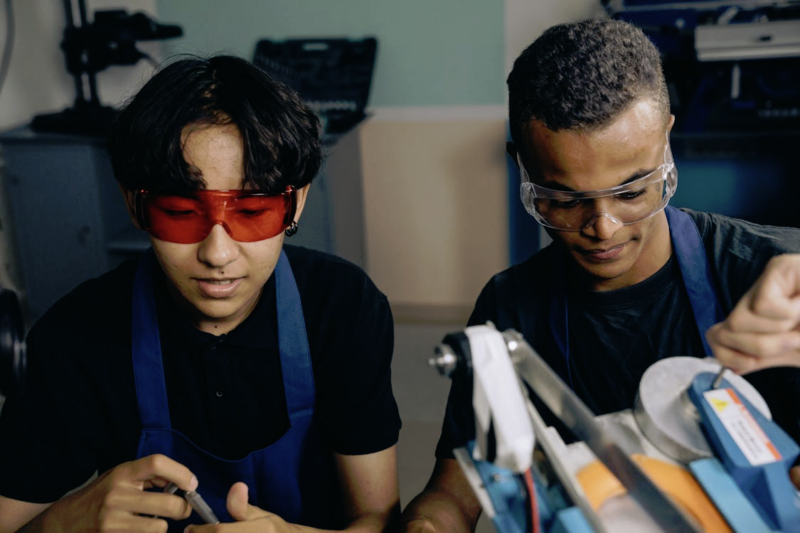
Long before stepping into jobs or living on their own, individuals absorb essential capabilities during early years. Within family dwellings, young ones gradually form routines, take on duties, along with picking up hands-on competencies useful across lifetimes. Routine domestic moments pass down knowledge extending past tidiness or orderliness alone. These situations support self-assurance growth while sharpening judgment abilities, simultaneously deepening awareness around accountability.
Learning Responsibility
It begins early – how small duties shape young minds. When a child places toys where they belong, consequence becomes clear. Their choices affect others, slowly revealing balance within shared spaces. A made bed is more than neatness; it signals reliability. Through routine acts, duty takes form without speeches or rewards. What matters grows quietly: showing up, doing what was started.
When kids grow used to handling chores around the house, responsibility tends to take root more naturally. Completion becomes expected, regardless of preference or mood. Over time, such habits form a quiet foundation for what comes later – school demands, work duties, connections with others. What begins small supports what matters most down the road.
Developing Time Management
From morning chores to evening tasks, moments at home allow kids to work on timing choices. Because schedules fill quickly – lessons here, practices there – fitting everything in becomes a quiet lesson in order. With repetition, juggling duties turns into smoother daily movement. What begins as simple sorting grows into steady personal structure.
Later on, those who manage chores early tend to meet deadlines more reliably. Starting young with routine duties builds a sense of timing that sticks. Finishing small jobs at home shapes how time gets used later in life. Often without notice, these moments form steady ways of working. One task after another adds up to structure grown over years.
Building Practical Skills
From folding clothes to sweeping floors, daily chores build useful capabilities over time. Because they involve real world practice, tasks like cooking basic dishes or tidying rooms strengthen awareness of responsibility. When young people manage these duties regularly, assurance grows through repeated effort. One small step at a time, routine actions lay groundwork for managing life alone.
Little by little, real abilities take shape when young ones join regular household patterns again and again. With passing months, managing duties expected later in life grows more natural. Success in such work builds assurance – this quiet strength tends to soften what comes next. Eventually, experience turns uncertainty into something steady.
Understanding Cooperation
Home life tends to run more smoothly if everyone contributes in some way. Because chores are divided, young people begin to see how joint efforts lead to better outcomes. Over time, it becomes clear that keeping things in order relies on ongoing participation from multiple people.
Together with parents and brothers or sisters, kids begin to grasp ways of sharing ideas clearly. Because family life involves constant interaction, skills grow through daily practice. When tasks require shared effort, understanding deepens over time. Such moments shape behavior long after childhood ends. Group efforts at home quietly prepare minds for broader environments ahead.
Appreciating Effort
From time to time, kids who join in chores begin noticing how much labor keeps a house running. Washing plates, wiping counters, or putting items where they belong slowly reveals what usually escapes attention each day.
One way to support kitchen cleanup might be placing dishes into the machine, clearing surfaces with a cloth, or checking that cleaning items like dishwasher pods remain stocked. Involvement in daily tasks allows young ones to recognize effort behind order at home while building appreciation for shared responsibilities.
Build Better Thinking Through Practice
Occasionally, managing home tasks opens paths to resolving issues. When a room lacks order, young ones might consider ways to arrange it logically. Efficiency could become necessary while finishing chores within a limited time. Unplanned events sometimes shift priorities entirely. Thinking carefully tends to follow such moments. Flexibility often grows through these small daily shifts.
As kids get older, their need for strong problem handling grows alongside tougher obstacles they meet. With time, tackling daily difficulties calmly and with inventive thinking supports better choices at school, work, or home life. Ordinary chores around the house offer real chances to build such skills naturally. Then again, experience matters most when learning how things fit together through doing.
Encouraging Independence
Among key aims in guiding kids through home duties stands the growth of self-reliance. With practice handling chores alone, assurance builds in facing daily challenges. When given jobs suited to their level, trust leads to greater autonomy over time.
When kids manage tasks at home, a quiet strength tends to grow. That steadiness shows up later when choices must be made without guidance. Willingness to act first – without waiting – often begins here. Facing unknowns becomes less daunting over time. Maturity builds through small acts done consistently. What seems minor today supports larger steps tomorrow.
Conclusion
From chores at home, understanding grows. Responsibility emerges when tasks are part of routine. Time takes shape through consistent duties. Skills form not by instruction alone, yet repetition within real situations. Working alongside others teaches balance more than rules ever could. Awareness deepens when effort is seen, not just praised. Solutions come into focus during moments of challenge, often unannounced. Independence builds quietly, over years of small decisions made without direction. Character forms where expectations meet everyday actions. Confidence appears gradually, shaped by contribution rather than reward. Learning happens regardless of intent, so long as participation remains.
About The Author