More than 300,000 construction workers must join the workforce every year to keep pace with current infrastructure demands. This number highlights a massive shift in how the next generation views professional success and long term stability.
Many parents now realize that a traditional four-year degree is not the only path to a fulfilling life. If your teen prefers fixing things to writing essays, they might be part of a growing movement of young people prioritizing tactile expertise.
Modern trades offer a level of job security that many desk roles currently lack. Practical skills are difficult to automate, meaning these professionals remain essential in any economy.
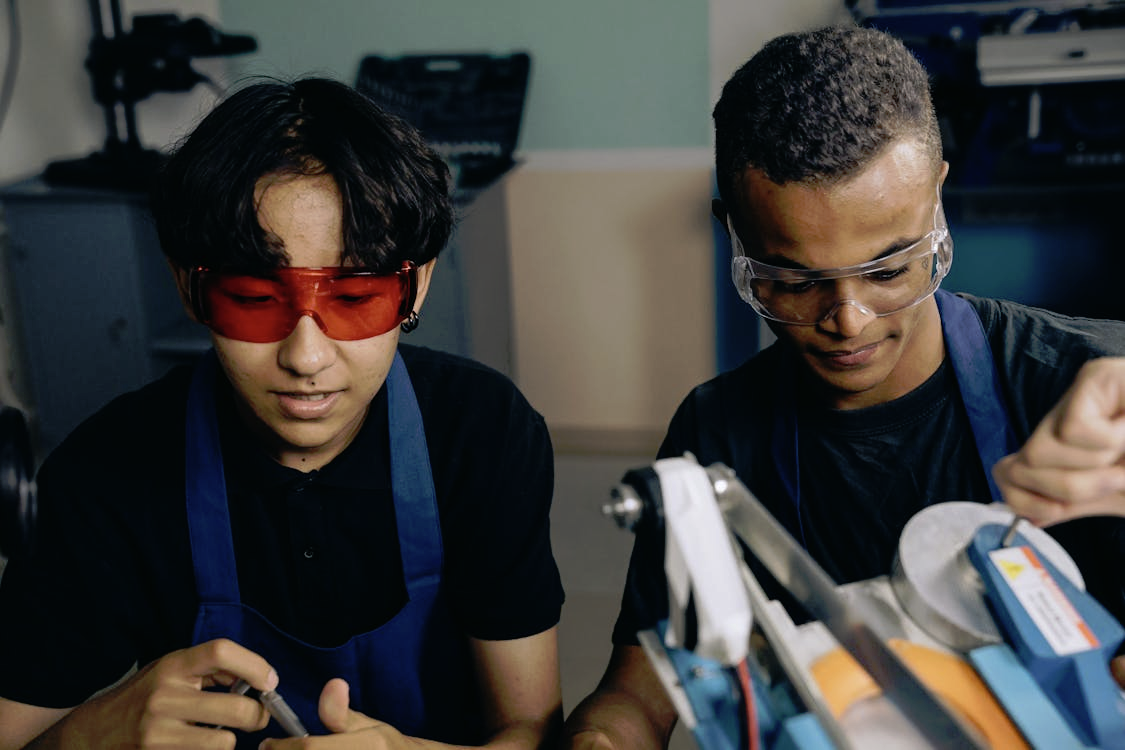
Watching a student transition from a classroom to a workshop can reveal a brand new level of confidence. When they see the immediate results of their labor, their motivation to learn often skyrockets.
Benefits Of Professional Technical Training
The choice to pursue a vocational path often comes down to how a student best absorbs new information. Some learners struggle with abstract theories but excel when they can physically manipulate tools and materials. Hands-on learning environments bridge the gap between knowing and doing by providing instant feedback on every task. This immersive approach allows students to master complex systems in a fraction of the time required by traditional universities.
For families exploring options in South Texas enrolling in hands-on career training programs provides a structured environment where mistakes are simply part of the learning process. Students work under the guidance of industry experienced instructors who understand the realities of the modern job market. This mentorship is invaluable for teens who want to enter the workforce with relevant, up to date skills.
Consider these primary advantages of a tactile education:
- Programs often finish in under two years
- Instructors provide direct industry insights
- Graduates enter the workforce with zero debt
Choosing a vocational track is a practical decision that prioritizes long term stability and personal aptitude over social expectations. By supporting a hands-on career, you are helping your teen build a foundation for a life defined by skill and self-reliance.
Navigating The Shift To Skilled Labor
Many families worry about the social stigma that once accompanied blue-collar work. However, the modern reality is that skilled trades are often more lucrative and stable than entry-level corporate positions.
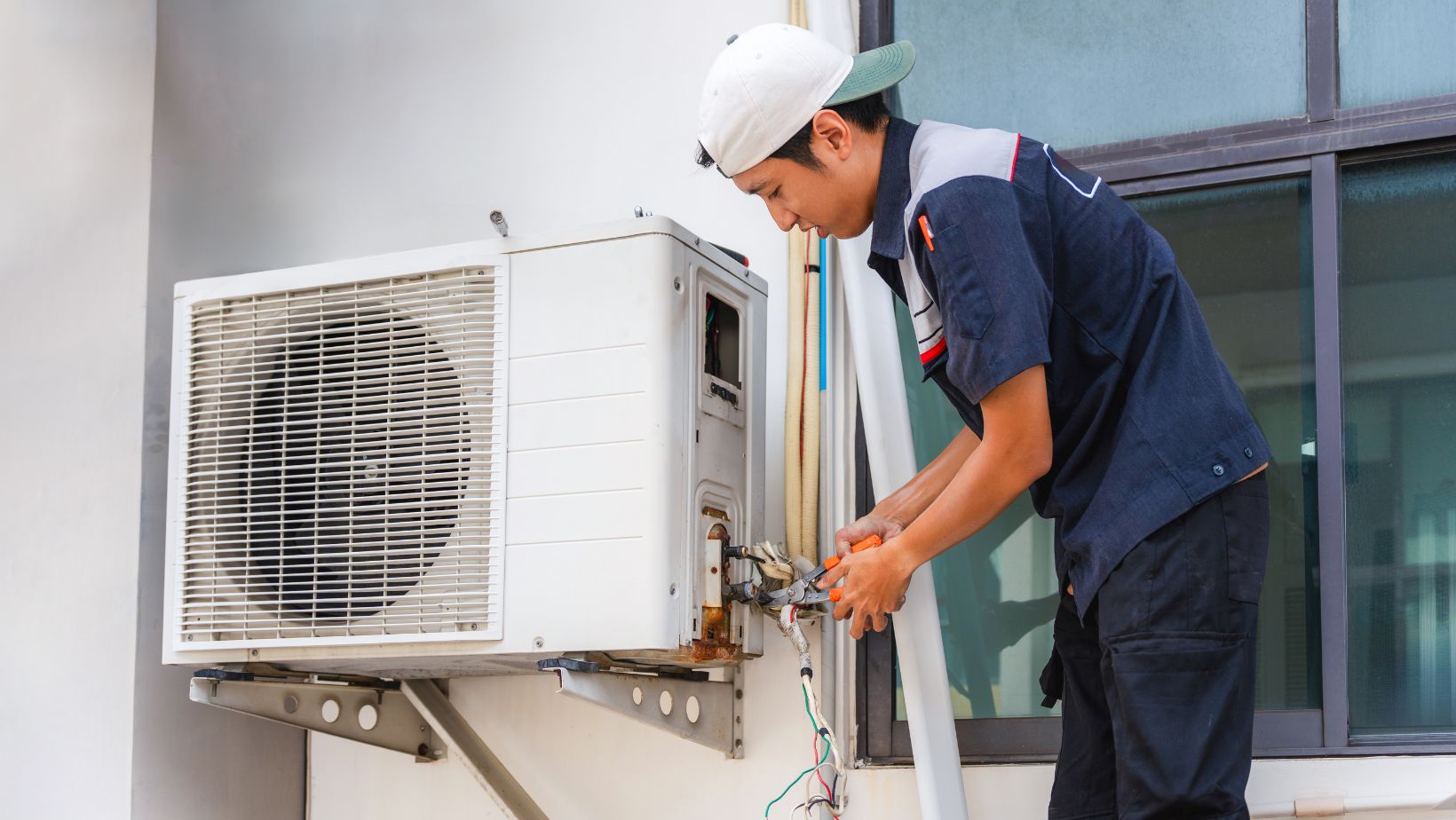
As the silver tsunami of retiring tradespeople continues, the demand for electricians, HVAC technicians, and welders has reached a fever pitch. This creates a high-leverage environment for young professionals who can negotiate better pay and benefits early in their careers.
The current shift in the economy favors those who can maintain the physical world around us. Teens who enter these fields often find themselves ahead of their peers who spent four years in a lecture hall. They start earning sooner, avoid the crushing weight of student loans, and develop a specialized knowledge base that is always in demand.
Assessing Aptitude For Tactile Learners
Identifying whether your teen is a fit for a hands-on career track requires observing how they solve problems at home. Some children naturally gravitate toward taking things apart to see how they work, which is a strong indicator of an engineering or mechanical mindset that thrives in technical environments. Instead of pushing for traditional academic excellence, parents can foster these natural talents by providing the right tools and space.
A teen who understands the mechanics of a machine or the logic of a circuit board possesses a unique type of intelligence. Validating this skill set early on can prevent the burnout often associated with forcing a tactile learner into a sedentary academic environment.
When a student feels their natural strengths are valued, they are more likely to engage deeply with their chosen craft. And at a time when quiet quitting and AI tech trends appear to impact white-collar work, there’s more than one reason to consider pushing kids toward alternative routes.
Steps Toward A Successful Enrollment
A successful transition into the trades starts with a thorough exploration of available local resources. You should encourage your teen to ask tough questions about job placement rates and the specific equipment used in labs.
Visiting a local campus allows families to see the learning environment firsthand and meet the people who will be teaching. These interactions often help demystify the process and make the future feel much more attainable.
Taking a tour of the facilities can reveal the high-tech nature of modern vocational training. Many programs now utilize advanced diagnostics and computer-aided design, blending traditional craft with modern technology. This hybrid approach ensures that students are prepared for the future of their industry, and by taking the lead on these visits, teens take ownership of their professional journey from day one.
Our site has plenty more posts for parents to get stuck into, so stick around and you’ll find info relevant to your life, and the life of your children.
About The Author