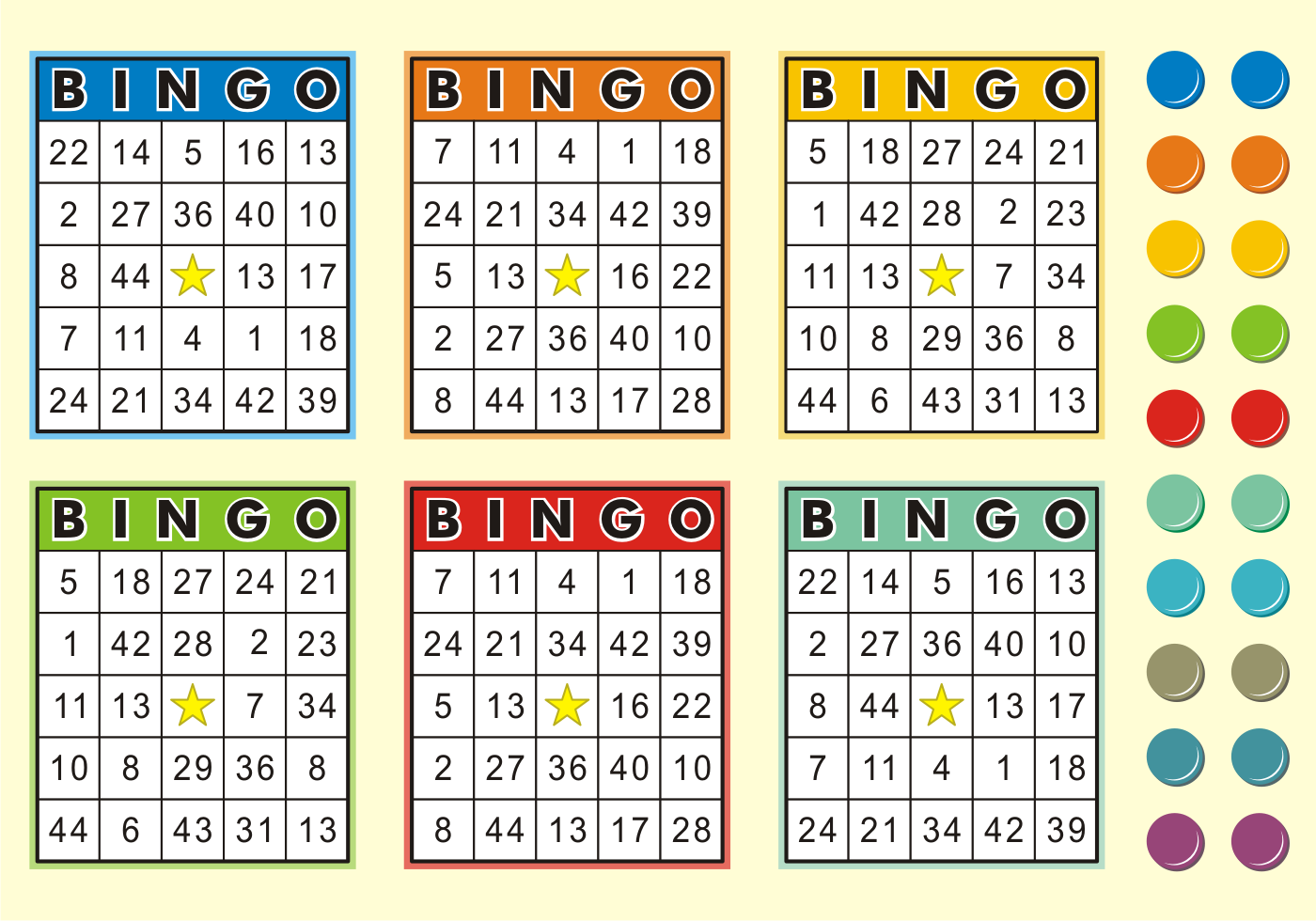
Over the past two decades, the online gaming landscape has transformed dramatically, and one of the most notable examples of this evolution is the rise of online bingo. What began as a digital extension of traditional hall-based games has grown into a global entertainment industry with diverse formats, vibrant communities, and sophisticated technology. Today’s bingo sites offer far more than virtual number calling—they deliver immersive experiences shaped by innovation, player expectations, and the constantly evolving digital world.
Early Days: From Hall to Screen
When online bingo first emerged in the late 1990s and early 2000s, the focus was simple: recreate the feel of a physical bingo hall in a digital format. Early platforms were basic, featuring static graphics, limited chat capabilities, and few customisation options. Yet even in those modest beginnings, the appeal was clear. The convenience of playing bingo from home, combined with small but reliable jackpots, attracted players who appreciated familiarity wrapped in new technology.
At this stage, the online experience mirrored traditional play closely. Rooms resembled their real-world counterparts, schedules matched typical hall-based session times, and numbers were called at a pace similar to in-person games. What mattered most was accessibility—anyone could participate without needing to travel, dress up, or dedicate large blocks of time.
Growth Through Social Connection
As internet speeds improved and online communities expanded, the social element of bingo became its defining feature. Platforms began to focus heavily on chat rooms, in-game interactions, and community hosts who replicated the warmth and banter of real-life callers. This shift ensured that online bingo preserved its strongest cultural value: social connection.
Chat hosts helped generate loyalty by welcoming newcomers, running mini-games, and creating a sense of camaraderie. Over time, these interactions grew into thriving digital communities where players recognised each other, celebrated wins together, and kept the atmosphere light and friendly.
The combination of social features and easy accessibility broadened the appeal of online bingo far beyond traditional audiences. It became a pastime enjoyed by players of all ages and backgrounds, forming its own distinct online culture.
Expansion of Game Variety
By the mid-2000s, platforms began offering more than just classic 75-ball and 90-ball games. The introduction of themed rooms, speed bingo, progressive jackpots, and event-based sessions gave players greater choice and excitement. Designers leaned into creativity, experimenting with unique storylines, character hosts, and seasonal content.
This expansion aligned with broader trends in online entertainment, where players increasingly sought varied and personalised experiences. Bingo evolved from a simple numbers game into a highly customisable form of leisure that catered to different playing styles and preferences.
Bonus systems also advanced significantly. From deposit matches to loyalty schemes and daily rewards, bingo sites adopted promotional mechanics similar to those found in online casinos and gaming apps, increasing engagement and encouraging players to explore different rooms and features.
Technological Advancements and Mobile Evolution
The shift from desktop to mobile devices marked one of the most significant turning points in the evolution of online bingo. As smartphones and tablets became mainstream, players sought the ability to enjoy bingo anywhere, at any time. Platforms responded by developing mobile-optimised sites and dedicated apps that preserved all the functionality of desktop play, but with added flexibility.
Touchscreen interfaces made interaction more intuitive, while improvements in mobile design allowed for clearer layouts, smoother gameplay, and enhanced usability. Automatic number marking, adjustable settings, and cleaner dashboards made bingo more accessible to both casual and dedicated players.
Advances in software also improved fairness and transparency through certified random number generators, boosting trust among online communities. Meanwhile, better graphics, animations, and sound design made bingo more visually engaging and modern.
Integration of Multimedia and Live Features
In recent years, the line between traditional bingo and digital entertainment has blurred further. Some platforms incorporate live presenters who mimic the feel of a physical bingo caller, while others integrate video streaming, themed studio environments, and interactive animations.
These multimedia elements create a hybrid experience—part game, part live show—offering something more dynamic than classic online bingo. They also appeal to younger players who expect digital entertainment to be both social and visually stimulating.

The Future of Online Bingo Sites
Looking ahead, the evolution of online bingo is far from over. Several trends are set to shape the next era:
- More personalised player experiences powered by AI-driven recommendations and tailored game suggestions
- Cross-platform ecosystems allowing seamless movement between desktop, mobile, and smart-TV play
- Augmented and virtual reality integration, potentially creating immersive bingo halls in digital spaces
- Greater social connectivity through video chat, interactive avatars, and community-driven events
What began as a simple digital translation of a beloved game has grown into a diverse, multi-layered industry shaped by technology, creativity, and the enduring appeal of shared play. Online bingo continues to evolve, offering new experiences while preserving the sense of community that has always made the game special.
About The Author