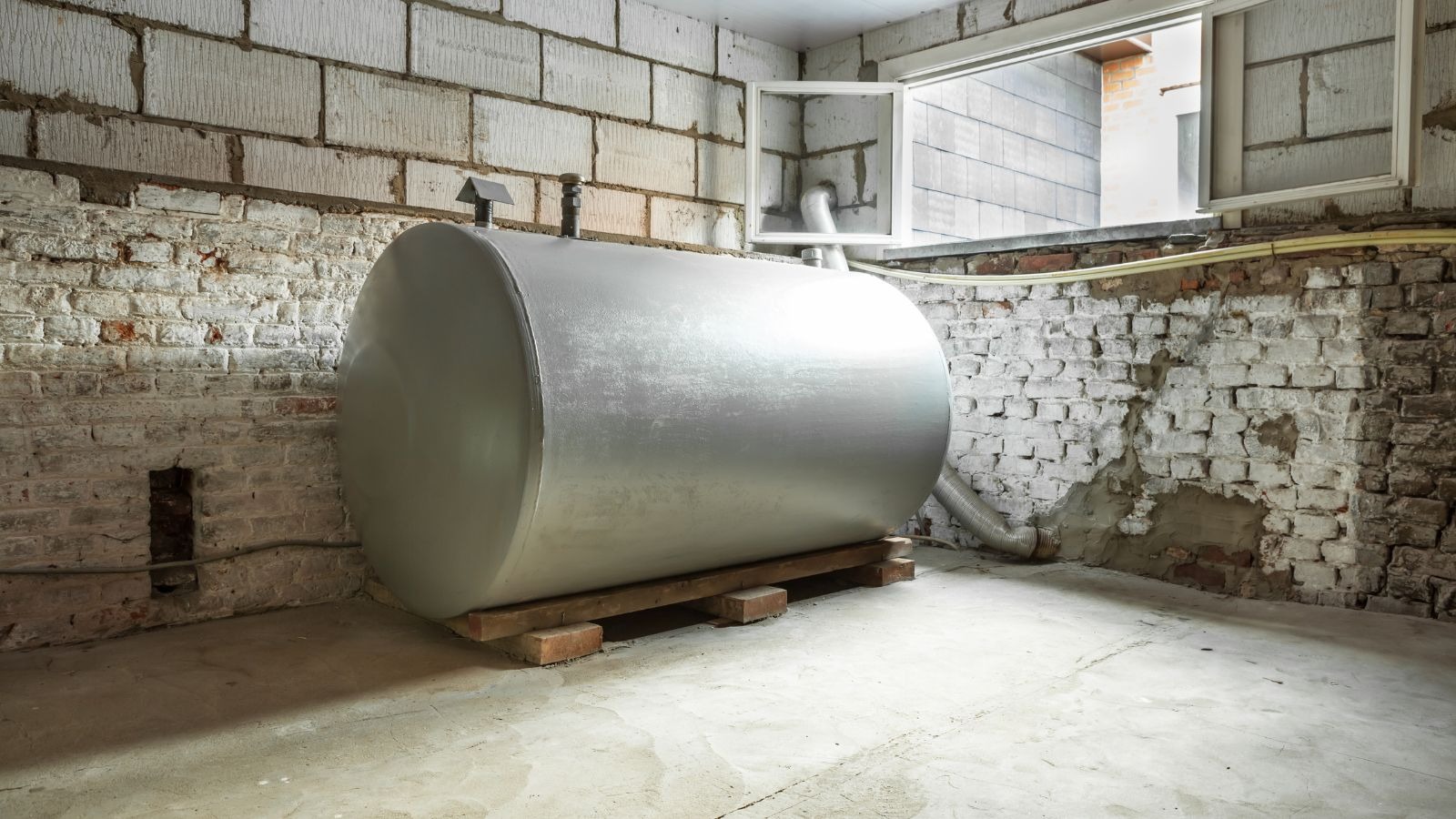
Heating oil tanks are often overlooked until something goes wrong but by the time a leak happens, the damage can be expensive and disruptive. An oil tank that is past its safe lifespan doesn’t always fail suddenly; it usually gives subtle warning signs first. Recognizing these early indicators can save you from soil contamination, heating system failure, and costly emergency repairs.
If you are already noticing changes in performance or physical condition, professional services such as Town Oil’s oil tank installation service can help you assess whether your tank is still safe or approaching failure. Acting early is far more cost-effective than dealing with a spill cleanup or environmental remediation after a leak occurs.
Below are seven key warning signs that your oil tank may need replacement before it becomes a serious hazard.
1. Visible Rust and Corrosion on the Tank Surface
One of the most common and obvious warning signs is rust. While a small amount of surface rust might seem harmless, it can indicate deeper structural deterioration beneath the paint or outer coating.
Steel oil tanks are especially vulnerable to corrosion when exposed to moisture, condensation, or poor ventilation. Over time, rust weakens the tank walls, making them thinner and more likely to develop cracks or pinholes.
Pay close attention to:
- Bubbling paint or flaking metal
- Rust streaks running down the tank sides
- Corrosion around seams and welds
If rust is spreading across multiple areas, it usually means the tank is nearing the end of its service life.
2. Dampness, Staining, or Oil Smells Around the Tank Base
Any sign of damp soil, oily residue, or unusual odors near your tank should be treated seriously. Even small leaks can release heating oil slowly over time, soaking into the ground before becoming visible.
A persistent petroleum smell or dark staining on concrete or soil may indicate that oil is escaping through weak points in the tank. This often happens at the base, where moisture tends to collect and accelerate corrosion.
If you notice these symptoms, it is important not to ignore them or simply clean the area without investigation. The source of the leak must be identified immediately.
3. Frequent Heating System Issues or Fuel Supply Problems
A failing oil tank can indirectly cause heating problems throughout your home. When sludge, rust particles, or water enter the fuel line, they can clog filters and disrupt burner performance.
Common symptoms include:
- Furnace shutting off unexpectedly
- Difficulty starting the heating system
- Uneven heating or reduced efficiency
- Repeated need for filter replacements
These issues may be misdiagnosed as furnace problems when the real issue lies in the oil tank itself. If mechanical problems persist despite servicing, the tank should be inspected.
4. Tank Age Exceeding Recommended Lifespan
Oil tanks are not designed to last forever. Most standard steel tanks last between 15 to 25 years, depending on environmental conditions, maintenance, and installation quality.
Once a tank exceeds its expected lifespan, the risk of internal corrosion and structural weakening increases significantly even if it appears fine externally.
Key considerations include:
- Indoor tanks may last longer than outdoor tanks
- Exposure to weather shortens lifespan
- Poor installation accelerates wear
If your tank is more than two decades old, replacement should be strongly considered even without visible damage.
5. Bulging, Warping, or Structural Deformation
A healthy oil tank should maintain a consistent shape. Any visible distortion such as bulging sides or uneven surfaces can signal internal pressure problems or weakened structural integrity.
Deformation may occur due to:
- Internal rust expansion
- Sediment buildup increasing pressure
- Temperature fluctuations causing material stress
A warped tank is a serious red flag because it indicates that the material is no longer uniformly strong. This increases the likelihood of sudden failure.
6. Water Contamination Inside the Tank
Water is one of the most damaging contaminants for heating oil systems. It often enters the tank through condensation or tiny leaks and settles at the bottom because it is heavier than oil.
Over time, water leads to:
- Internal corrosion
- Microbial growth (sludge formation)
- Burner malfunction and clogged fuel lines
If your heating system frequently struggles during cold weather or your technician reports water in the tank during maintenance, replacement may be necessary. Even small amounts of water can dramatically reduce tank lifespan.
7. Frequent Repairs or Recurring Maintenance Issues
If your oil tank requires repeated servicing, repairs, or emergency fixes, it may no longer be cost-effective to maintain it. Constant issues often indicate that multiple components are deteriorating at the same time.
Warning patterns include:
- Repeated leaks from fittings or valves
- Regular filter clogging
- Multiple patch repairs in a short time
- Ongoing fuel delivery inconsistencies
At a certain point, continued repair becomes more expensive than replacement. A new tank provides improved safety, efficiency, and reliability.
Why Early Detection Matters
Oil tank failures are not just inconvenient they can become environmental and financial liabilities. A leak can contaminate soil, groundwater, and nearby structures, leading to expensive cleanup operations and potential legal issues depending on local regulations.
Early detection of warning signs helps you:
- Avoid emergency replacement costs
- Prevent environmental damage
- Maintain heating efficiency
- Extend the safety of your property
Regular inspections, especially for older tanks, are essential for preventing unexpected failures.
When to Call a Professional
If you notice even one of the warning signs above, it is advisable to schedule a professional inspection. Trained technicians can assess internal and external conditions using specialized tools and determine whether repair or replacement is the safer option.
In many cases, professionals will recommend replacement if:
- The tank is over 20 years old
- Corrosion is widespread
- There is evidence of leakage or contamination
- Structural integrity is compromised
A proactive approach ensures your heating system remains safe and reliable throughout the year.
Choosing the Right Replacement Option
When replacing an oil tank, it is important to choose a system that suits your property and usage needs. Modern tanks often come with improved safety features, better corrosion resistance, and longer warranties.
Options may include:
- Single-wall or double-wall steel tanks
- Bunded (secondary containment) tanks for added protection
- Indoor or outdoor installation setups
A professional installer will help determine the best configuration based on your location, fuel usage, and safety requirements.
Final Thoughts
An oil tank rarely fails without warning. Rust, odors, system inefficiencies, and structural changes are all early indicators that should not be ignored. The cost of replacing a tank is significantly lower than dealing with a full-scale leak and environmental cleanup.
By staying alert to the seven warning signs outlined above and acting promptly, homeowners can protect their property, ensure heating reliability, and avoid unnecessary risks. Regular inspections and timely replacement remain the most effective way to maintain a safe and efficient heating oil system.
About The Author