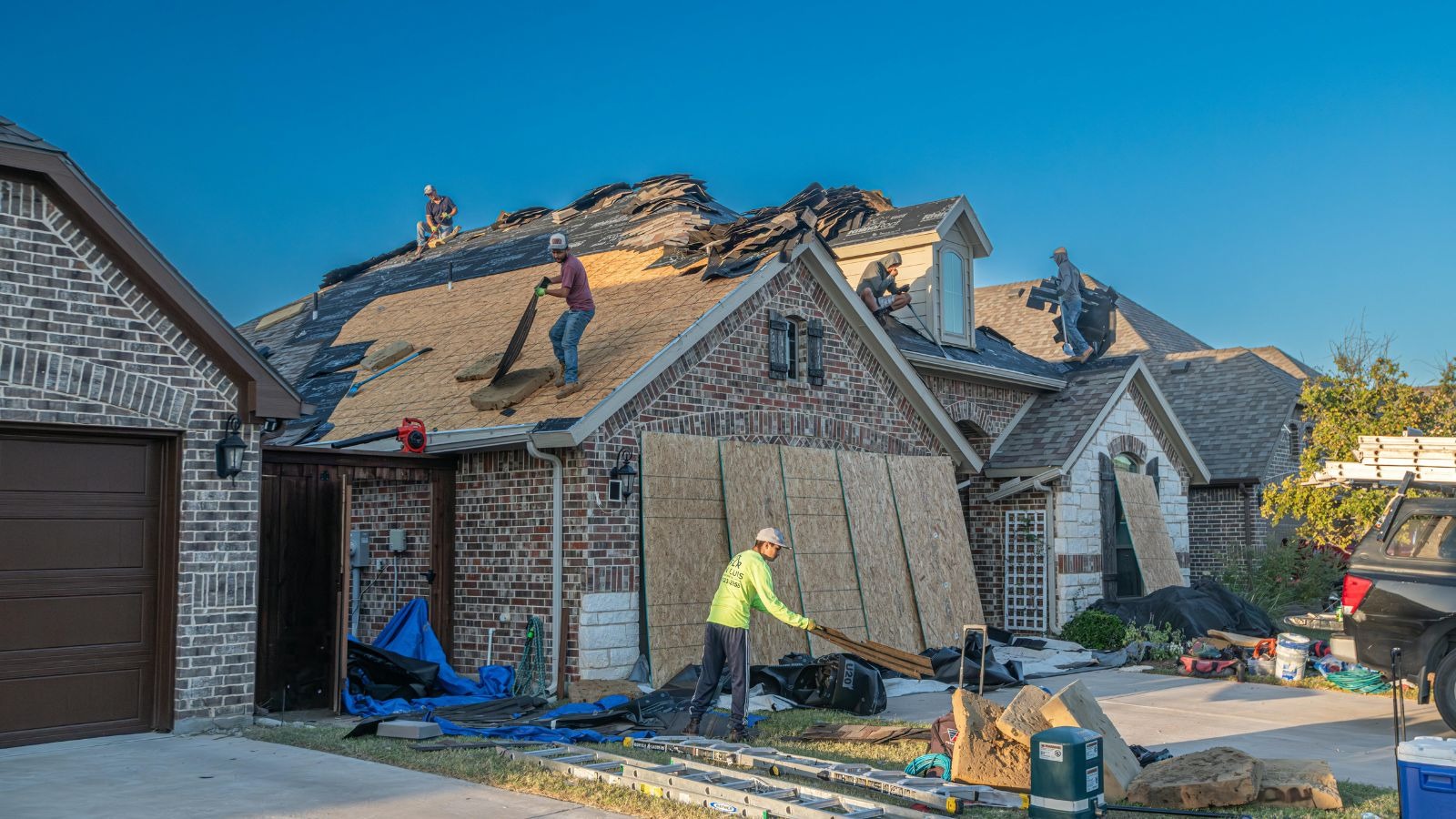
Windstorms can cause significant damage to residential roofs, even when the effects are not immediately visible from the ground. Missing shingles, damaged flashing, and hidden structural issues can leave your home vulnerable to leaks and further deterioration. Knowing what steps to take after a storm can help protect your property and minimize repair costs. Working with an experienced Greenwich CT roofing contractor can also ensure that damage is identified and addressed before it becomes a larger problem.
Start With Safety First
After a windstorm passes, your first priority should be safety. Avoid climbing onto the roof to inspect damage yourself, especially if the roof may have been compromised. Loose shingles, weakened decking, or debris can create hazardous conditions.
Instead, conduct a visual inspection from the ground. Look for obvious signs of damage such as:
- Missing or lifted shingles
- Debris on the roof
- Damaged gutters or downspouts
- Fallen tree limbs
- Pieces of roofing material in your yard
If you notice downed power lines or significant structural damage, contact the appropriate emergency services before approaching the area.
Document the Damage
Once it is safe to do so, document any visible signs of storm damage. Taking photos and videos can be extremely helpful if you need to file an insurance claim later.
Capture images of:
- Missing shingles
- Damaged flashing
- Fallen branches
- Interior water stains
- Damaged gutters or siding
Detailed documentation creates a record of the storm’s impact and may help streamline the claims process. A reputable Greenwich CT roofing contractor can also assist by providing a professional assessment of the damage.
Check for Interior Signs of Damage
Not all storm-related roof damage is visible from the outside. Wind can create openings that allow moisture to enter your home, leading to problems that may not be apparent right away.
Inspect your home’s interior for:
- Water stains on ceilings
- Damp insulation in the attic
- Peeling paint
- Mold or mildew odors
- Dripping water during rainfall
Even a small leak can cause extensive damage over time if left untreated. Addressing issues early can help prevent more costly repairs later.
Prevent Additional Damage
If the storm has left your roof exposed, taking temporary measures to prevent further damage is important. Water intrusion can quickly worsen roofing problems and affect other parts of your home.
Temporary protective measures may include:
- Placing tarps over exposed areas
- Removing loose debris
- Containing interior leaks with buckets or towels
These temporary solutions should not replace professional repairs, but they can help limit damage until permanent repairs can be completed.
Contact Your Insurance Company
If you believe your roof sustained storm damage, contact your insurance provider as soon as possible. Many homeowners’ insurance policies cover wind-related roof damage, although coverage varies depending on the policy.
When speaking with your insurer:
- Provide photographs and documentation
- Record the date and details of the storm
- Keep receipts for emergency repairs
- Ask about claim procedures and deadlines
Having a professional inspection report from a qualified Greenwich CT roofing contractor may help support your claim and provide a clearer understanding of the necessary repairs.
Schedule a Professional Roof Inspection
A professional roof inspection is one of the most important steps after a windstorm. Some forms of damage may not be visible to an untrained eye but can still compromise your roof’s performance.
A roofing professional can inspect:
- Shingles and roofing materials
- Flashing around chimneys and vents
- Roof decking
- Gutters and drainage systems
- Signs of moisture intrusion
Early detection helps prevent minor issues from developing into major structural concerns.
Understand Common Wind Damage
Windstorms can affect roofing systems in several ways. Understanding the most common types of damage can help homeowners recognize when professional attention is needed.
Missing Shingles
Strong winds can lift and remove shingles, exposing the underlayment and roof deck to moisture.
Lifted Shingles
Even if shingles remain attached, high winds may loosen them. Lifted shingles are more susceptible to future storm damage and water penetration.
Damaged Flashing
Flashing helps protect vulnerable areas around roof penetrations. Wind can loosen or bend flashing, creating pathways for leaks.
Gutter Damage
Strong gusts can pull gutters away from the home or cause sections to become detached.
Fallen Debris
Tree branches and other debris can puncture roofing materials or cause impact damage that weakens the roof system.
Avoid Delaying Repairs
One of the biggest mistakes homeowners make after a windstorm is postponing repairs because the damage appears minor. Small issues often become larger and more expensive when left unresolved.
Prompt repairs can help:
- Prevent water intrusion
- Extend roof lifespan
- Protect structural components
- Maintain energy efficiency
- Reduce long-term maintenance costs
Partnering with a trusted Greenwich CT roofing contractor allows homeowners to address storm damage before it escalates into a more serious problem.
Plan for Future Storms
While no roof is completely immune to severe weather, preventative maintenance can improve its ability to withstand future windstorms.
Consider these proactive measures:
- Schedule regular roof inspections
- Trim overhanging tree branches
- Keep gutters clear of debris
- Replace aging roofing materials when needed
- Address minor roofing issues promptly
Routine maintenance helps ensure that your roof remains in good condition and better prepared for changing weather conditions.
Final Thoughts
Windstorms can leave behind both visible and hidden roof damage that threatens the safety and integrity of your home. Acting quickly after a storm is essential. Start with a safe visual inspection, document any damage, check for interior leaks, and contact your insurance company if necessary. Most importantly, arrange for a professional inspection from an experienced Greenwich CT roofing contractor to identify issues that may not be obvious at first glance.
By taking prompt action and addressing repairs early, homeowners can protect their investment, prevent additional damage, and keep their roofing system performing effectively for years to come.
About The Author