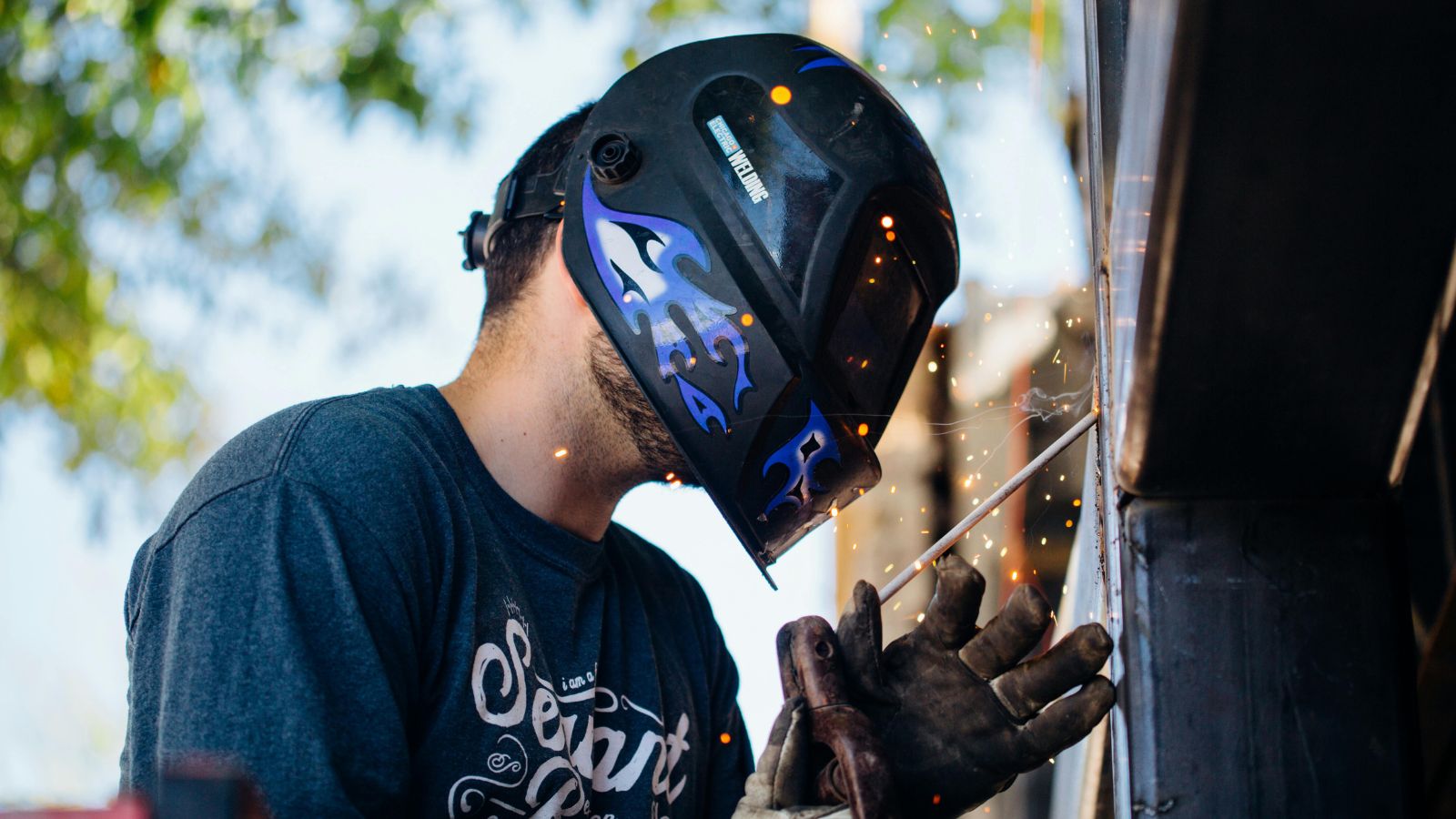
Thinking about grabbing a welder and fixing that cracked gate yourself? Sometimes that works out great. Other times, it turns into a warped frame or, even worse, a burned hand.
Metal repairs at home sit in a tricky space between simple weekend projects and serious structural work. Knowing where the line is can save you money and stress, as well as reduced risk from injury.
When the Job Is Small and Cosmetic
Small, surface-level metal repairs are usually safe DIY territory. Loose screws on a metal hinge, light rust on patio furniture, or a bent grill grate often require basic tools and simple know-how.
If the repair does not affect load-bearing parts or safety features, a careful homeowner may be able to handle it. Sanding, repainting, tightening, and minor bolt replacements fall into this category.
However, welding and other hot work come with potential risks like burns and eye injuries. For tiny, non-structural fixes, avoiding welding altogether keeps your risk low and your project manageable.
When You Have the Right Tools and Training
Owning a basic welder does not automatically mean you are ready for every repair. Skill level matters just as much as equipment.
If you have formal training, understand metal types, and can read welding settings correctly, certain home projects make sense to tackle yourself. Examples include repairing a detached garden gate hinge or reinforcing a light-duty trailer ramp.
Before deciding, ask yourself a few honest questions, such as: Do I know the difference between MIG, TIG, and stick welding for this metal? And: Do I have proper protective gear, including a certified welding helmet?
Welding mistakes are not always obvious at first. Poor penetration, incorrect settings, or using the wrong technique can weaken joints and create safety risks over time. This is especially true when working with different metals or load-bearing parts.
That’s why proper training matters. Instead of relying on trial and error, many people choose to build real skills through structured programs. For example, students who want to become certified in welding often train through their combination welding curriculum, where they learn multiple welding methods like MIG, TIG, and stick welding while gaining hands-on experience in controlled environments.This kind of training helps reduce costly mistakes and builds confidence before taking on serious repair work at home.
When the Repair Affects Structural Integrity
Structural metal repairs are not the place to experiment. Cracked load-bearing beams, damaged stair railings, or compromised support brackets require professional attention.
A faulty weld on a decorative planter is frustrating. But a faulty weld on a staircase can be dangerous.
Proper training and compliance are critical during welding tasks due to ongoing injury risks. Poor technique or incorrect settings can weaken a joint instead of strengthening it.
If the metal supports weight, secures a structure, or protects people, hire a licensed professional. Paying for expertise upfront often costs less than repairing a failed DIY job later.
When Code, Permits, or Insurance Are Involved
Some metal repairs fall under local building codes. Balcony railings, structural carports, and certain fencing systems may require inspections or permits.
Professional welders understand code requirements and documentation. Home insurance policies can also deny claims if unlicensed structural work leads to damage or injury.
Demand for skilled welders remains steady. High demand reflects how essential certified expertise is for safe, compliant work. For homeowners, that means qualified help is not just convenient, it is often necessary.
Before striking an arc, check your local regulations and your insurance fine print. A quick phone call can prevent a major headache.
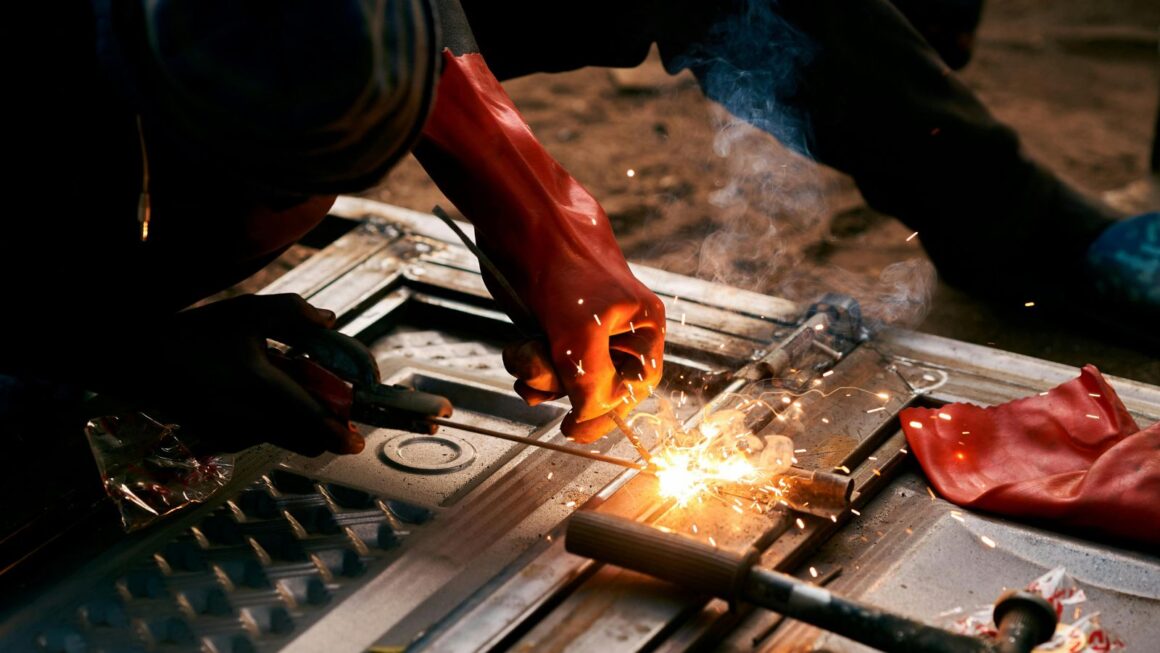
Knowing Your Limits With Metal Repairs at Home
DIY metal work can be satisfying and cost-effective when the project is small, cosmetic, and within your skill set. Structural, code-regulated, or safety-critical repairs deserve professional hands.
Understanding when to DIY versus when to hire a professional for metal repairs at home comes down to:
- Risk
- Training
- Impact
If you find yourself unsure about handling more advanced repairs or repeatedly second-guessing your welding work, it may be a sign that hands-on training is worth considering. Building proper skills before taking on complex projects can prevent costly mistakes and safety risks in the long run.
Was this article helpful? If so, take a look at some of our other useful content.
About The Author