Your roof is one of the most important parts of your home, protecting your family and property from Nebraska’s unpredictable weather conditions. In Omaha, homeowners regularly deal with harsh winters, hailstorms, strong winds, heavy rain, and rapid temperature changes that can all take a toll on roofing systems over time. Eventually, every homeowner faces an important question: should the roof be repaired or completely replaced?
When evaluating roofing problems, many Omaha homeowners rely on experienced contractors like Turtle Roofing to help determine whether a repair is enough or if a full replacement is the smarter long-term investment. While repairs can often solve isolated issues, some roofing problems indicate deeper structural concerns that make replacement the safer and more cost-effective option.
Understanding the difference between roof repair and roof replacement can help homeowners make informed decisions, avoid unnecessary expenses, and protect the long-term value of their homes. In this article, we’ll explore the key differences between roof repair and roof replacement, the factors that influence the decision, common warning signs, and what Omaha homeowners should know before choosing the best solution.
Why Omaha Weather Is Tough on Roofs
Omaha’s climate creates significant challenges for residential roofing systems.
Throughout the year, roofs in Nebraska are exposed to:
- Heavy snow
- Ice dams
- Strong winds
- Hailstorms
- Intense summer heat
- Freeze-thaw cycles
- Severe thunderstorms
These weather conditions gradually weaken roofing materials, causing shingles, flashing, gutters, and underlayment to deteriorate over time.
Because of Omaha’s extreme weather patterns, roofing damage can develop more quickly than in milder climates.
Understanding Roof Repair
Roof repair focuses on fixing specific damaged areas while preserving the rest of the roofing system.
Common Roof Repairs Include:
- Replacing missing shingles
- Repairing leaks
- Fixing flashing
- Sealing roof penetrations
- Repairing storm damage
- Replacing damaged vents
- Addressing small areas of rot
Repairs are typically recommended when the roof is still structurally sound overall and damage is limited to isolated sections.
Benefits of Roof Repair
For many homeowners, roof repair offers several advantages.
Lower Immediate Cost
Repairs are generally much less expensive upfront than full roof replacement.
Minor issues can often be fixed quickly without requiring major construction.
Faster Completion Time
Many roof repairs can be completed within:
- A few hours
- One day
- Several days for larger repairs
This minimizes disruption for homeowners.
Extends Roof Lifespan
Timely repairs can help extend the life of a roof by preventing small problems from worsening.
Replacing damaged shingles or fixing leaks early may add years to the roof’s lifespan.
Ideal for Newer Roofs
If the roof is relatively new and damage is isolated, repairs are often the most practical solution.
When Roof Repair Makes Sense
Roof repair is usually appropriate when:
- Damage is minor
- Leaks are localized
- Most shingles remain in good condition
- The roof is under 10–15 years old
- Structural components are intact
- Storm damage affects only small sections
In these cases, repairs can restore protection without requiring full replacement.
Common Signs Your Roof May Only Need Repair
Homeowners may only need repairs if they notice:
- A few missing shingles
- Small leaks
- Minor flashing damage
- Isolated hail damage
- Small areas of granule loss
- Limited storm damage
However, professional inspections are important because some problems may extend beneath the surface.
Understanding Roof Replacement
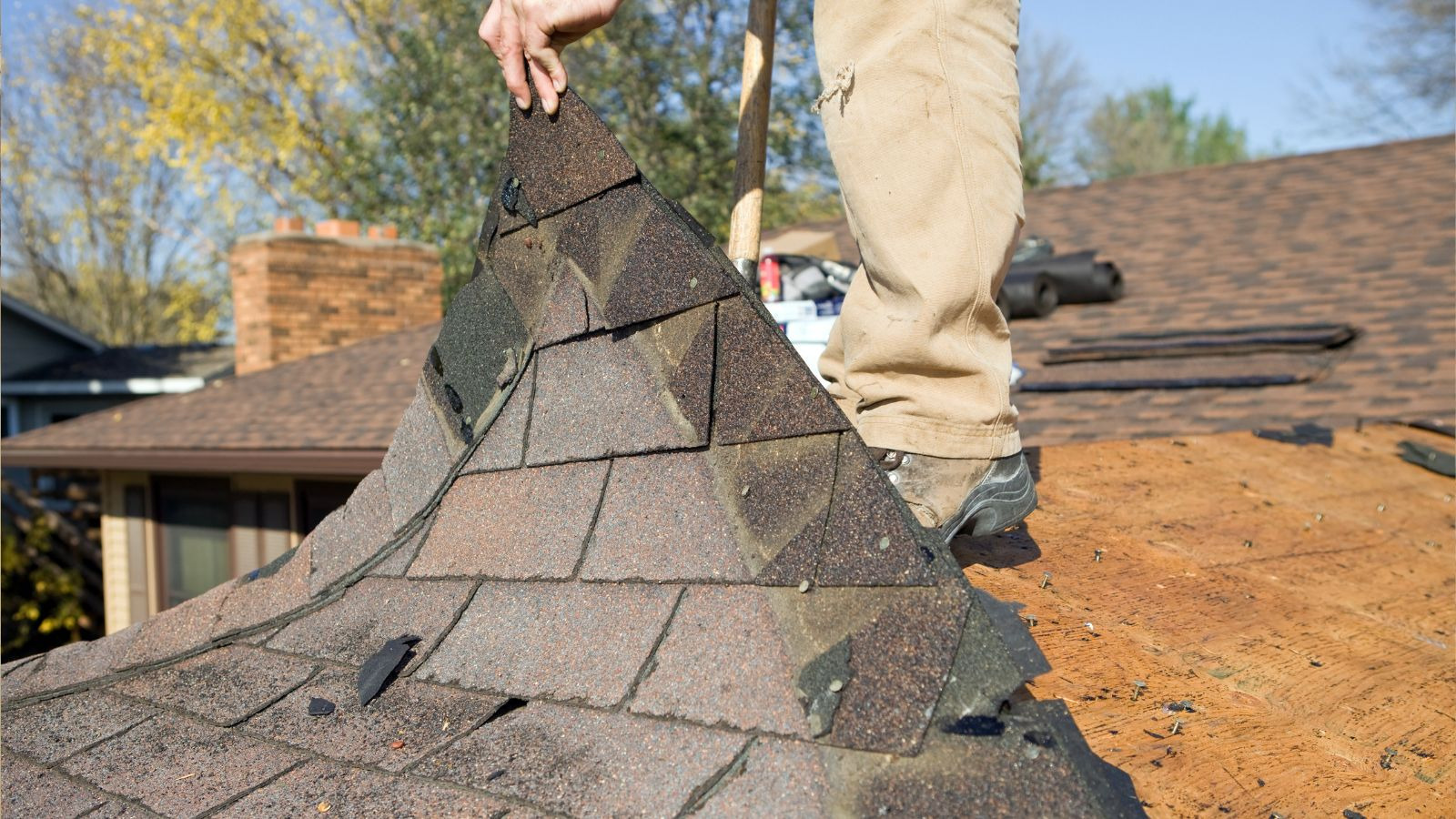
Roof replacement involves removing the existing roofing materials and installing an entirely new roofing system.
This process may include:
- Removing old shingles
- Replacing underlayment
- Repairing roof decking
- Installing new flashing
- Upgrading ventilation
- Installing new roofing materials
A replacement addresses both visible and hidden roofing problems comprehensively.
Benefits of Roof Replacement
Although more expensive initially, roof replacement offers significant long-term advantages.
Long-Term Protection
A new roof provides comprehensive protection against weather, leaks, and structural damage.
Improved Energy Efficiency
Modern roofing materials often improve insulation and ventilation, helping reduce heating and cooling costs.
Increased Home Value
A new roof can significantly improve:
- Curb appeal
- Property value
- Buyer confidence
Roof replacement may be especially beneficial for homeowners planning to sell their homes.
Fewer Future Repairs
Older roofs often require ongoing maintenance and repeated repairs.
Replacing the roof eliminates many recurring problems and reduces long-term repair costs.
When Roof Replacement Is Necessary
Roof replacement may be the better option when:
- The roof is nearing the end of its lifespan
- Damage is widespread
- Multiple leaks are present
- Structural damage exists
- Repairs are becoming frequent
- Storm damage affects large areas
- Mold or rot is present
In some cases, continued repairs become more expensive than replacement over time.
The Age of the Roof Matters
One of the biggest factors in the repair-versus-replacement decision is roof age.
Average Roof Lifespans
Typical roofing lifespans include:
- Asphalt shingles: 20–30 years
- Metal roofs: 40–70 years
- Wood shakes: 20–40 years
- Tile roofs: 50+ years
If a roof is already near the end of its expected lifespan, replacement is often more cost-effective than repeated repairs.
Warning Signs You May Need Roof Replacement
Some roofing problems indicate deeper system failure.
Common Replacement Warning Signs
Homeowners should watch for:
- Widespread missing shingles
- Extensive granule loss
- Sagging rooflines
- Multiple leaks
- Rotting roof decking
- Severe hail damage
- Frequent repairs
- Mold growth in attic spaces
These issues may indicate the roof’s structural integrity has been compromised.
The Hidden Costs of Delaying Roof Replacement
Many homeowners postpone replacement because of upfront costs.
Unfortunately, delaying necessary replacement can lead to:
- Water damage
- Mold remediation
- Structural repairs
- Insulation damage
- Ceiling repairs
- Electrical hazards
Minor roofing problems often become much more expensive over time.
Storm Damage and Insurance Considerations
Omaha storms frequently damage residential roofs.
Insurance May Cover Replacement
Homeowners insurance may help cover roof replacement if damage results from:
- Hail
- Wind
- Fallen trees
- Storm-related events
However, insurance companies often require prompt inspections and documentation.
Why Professional Inspections Matter
Roofing contractors can:
- Identify hidden storm damage
- Provide documentation
- Assist with insurance claims
- Recommend appropriate repairs or replacement
Accurate inspections are critical after major Nebraska storms.
Repair Costs vs. Replacement Costs
Cost is naturally one of the biggest concerns for homeowners.
Roof Repair Costs
Repairs are generally less expensive initially but costs vary depending on:
- Extent of damage
- Roofing material
- Accessibility
- Labor requirements
Minor repairs may cost a few hundred dollars, while larger repairs can become more expensive.
Roof Replacement Costs
Replacement costs depend on:
- Roof size
- Material selection
- Roof complexity
- Structural repairs
- Labor costs
While replacement is a larger investment, it often provides greater long-term value.
Why Affordable Repairs Can Become Expensive
Some homeowners repeatedly patch roofing problems instead of addressing underlying issues.
Temporary Fixes Often Fail
Quick repairs may not resolve:
- Hidden leaks
- Water damage
- Structural weaknesses
- Aging materials
Repeated patchwork repairs can eventually exceed the cost of replacement.
Energy Efficiency Considerations
Older roofing systems often lack modern energy-efficient features.
How New Roofs Improve Efficiency
Modern roofs may include:
- Better ventilation
- Improved insulation
- Reflective materials
- Moisture barriers
These upgrades can reduce heating and cooling costs year-round.
The Importance of Roof Ventilation
Proper ventilation is essential for roof health.
Poor Ventilation Can Cause:
- Ice dams
- Moisture buildup
- Mold growth
- Premature shingle deterioration
- Higher energy bills
During replacement, ventilation systems can often be upgraded for improved performance.
How Roof Condition Affects Home Value
Roof condition plays a major role in property value and buyer confidence.
Purchasers Often Avoid Homes With Roofing Problems
Visible roofing damage may:
- Lower offers
- Delay home sales
- Trigger inspection issues
A newer roof can improve resale appeal and reduce buyer concerns.
Questions Homeowners Should Ask Before Deciding
Before choosing repair or replacement, homeowners should consider:
- How old is the roof?
- Is damage localized or widespread?
- How often are repairs needed?
- Are leaks recurring?
- Is the roof structurally sound?
- What are long-term maintenance costs?
- Will insurance help cover expenses?
Professional roofing evaluations can provide clarity when making these decisions.
Why Professional Roofing Inspections Matter
Roofing problems are not always visible from the ground.
Experienced roofing contractors can:
- Assess structural integrity
- Identify hidden moisture damage
- Inspect flashing and underlayment
- Evaluate storm damage
- Recommend the most cost-effective solution
DIY inspections may overlook serious underlying issues.
Preventative Maintenance Can Extend Roof Life
Routine maintenance helps reduce the need for major repairs or premature replacement.
Helpful Maintenance Tips
Homeowners should:
- Schedule annual roof inspections
- Clean gutters regularly
- Remove debris
- Address small leaks quickly
- Trim overhanging tree branches
- Monitor attic ventilation
Preventative care often saves money in the long run.
Choosing the Right Roofing Contractor
Whether repairing or replacing a roof, choosing an experienced contractor is critical.
Homeowners should look for:
- Proper licensing
- Insurance coverage
- Local experience
- Positive reviews
- Written estimates
- Warranty information
Quality workmanship significantly affects roof durability and long-term performance.
Final Thoughts
Deciding between roof repair and roof replacement is an important decision for Omaha homeowners. While repairs can effectively solve isolated issues and extend roof lifespan, some roofing problems require a more comprehensive replacement to ensure long-term protection and safety.
Factors such as roof age, storm damage, structural integrity, recurring leaks, and long-term repair costs all play a role in determining the best solution. Ignoring roofing problems or relying on repeated temporary repairs can eventually lead to more expensive damage and reduced home value.
By scheduling professional inspections, addressing roofing issues early, and understanding the pros and cons of both repair and replacement, homeowners can make informed decisions that protect their homes, finances, and peace of mind for years to come.
About The Author