A backyard used to be the spot for a grill and some lawn chairs. Now it’s turning into a full living space where families cook, eat, and relax without ever stepping back inside. An outdoor kitchen sits at the center of that shift, giving homeowners a reason to spend their evenings outside instead of watching TV indoors.
This kind of upgrade isn’t just about convenience. It changes how a home feels day to day and adds a spot where real memories happen. Below is a simple look at what makes outdoor kitchens worth considering, how to plan one, and what to keep in mind before you start building.
Why People Are Cooking Outside More Often
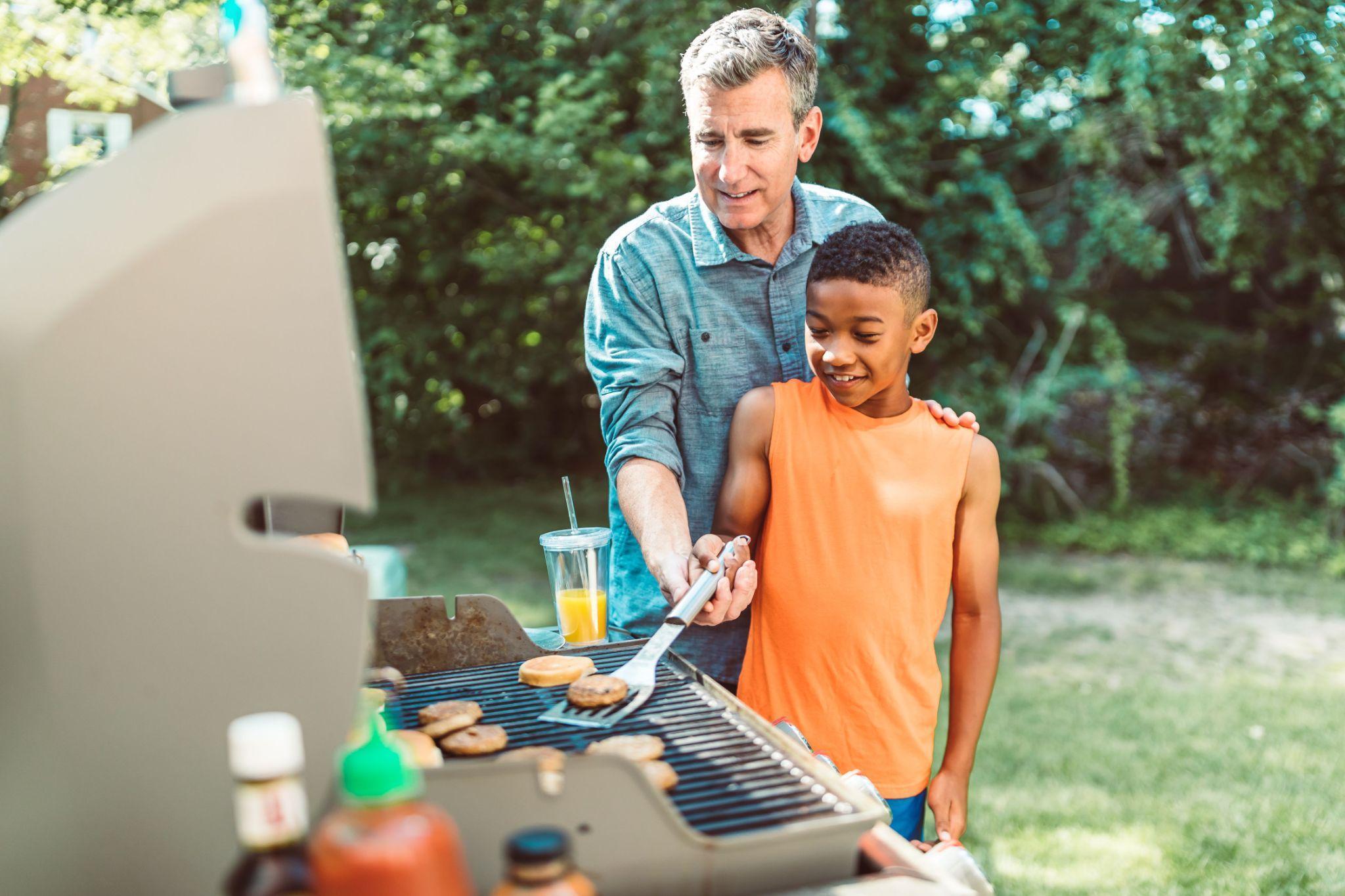
More households are choosing to eat outdoors whenever the weather allows. Fresh air, open space, and the smell of food on a grill create an experience that a dining room table just can’t match. Once a family gets used to eating outside, going back to the kitchen table can feel like a downgrade.
There’s also a social piece to this. Outdoor kitchens make it easy to host friends and neighbors without turning your living room into a crowded mess. Guests can hang around a grill or bar counter while food cooks, which keeps the whole gathering more relaxed and casual.
What a Good Outdoor Setup Needs
Before adding anything fancy, an outdoor kitchen needs a handful of core pieces to work well. Skipping these basics usually leads to a setup that looks nice, yet doesn’t actually get used much.
- A built-in grill or smoker is the main cooking source
- Solid countertop space for prepping and serving food
- Storage cabinets to keep tools and supplies dry
- A sink with running water for easy cleanup
- Enough seating so people aren’t standing around
Once those basics are covered, homeowners can add extras like a pizza oven, mini fridge, or side burner, depending on how they like to cook.
Lighting matters more than most people expect. Without it, an outdoor kitchen becomes unusable the moment the sun goes down, which cuts into the reason for building one in the first place.
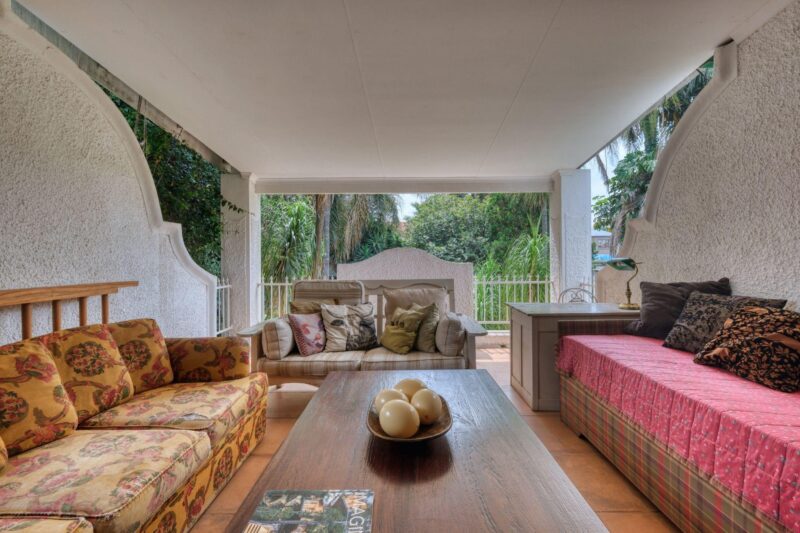
Shade and shelter also play a role. A pergola, awning, or covered patio keeps the space usable on hot afternoons or light rain, stretching the number of days you can actually use it each year.
Picking Materials That Won’t Fall Apart
Outdoor kitchens sit outside all year, so materials need to handle sun, rain, and temperature swings without cracking or rusting.
- Stainless steel appliances resist rust and clean up fast
- Stone or concrete countertops hold up against heat and weather
- Brick or stucco exteriors age well and need little upkeep
- Weather-resistant cabinets keep moisture out of storage areas
Cheaper materials might save money upfront, but they usually need repairs or replacement within a few years, which ends up costing more over time.
Layout Ideas That Work
- Straight-line layout for smaller patios, everything along one wall
- L-shaped layout that separates cooking and prep from seating
- U-shaped layout for bigger yards gives cooks room to move
- Island layout with seating on all sides for a social setup
Choosing a layout usually comes down to how much space is available and how many people typically use it at once.
Adding Real Value to Your Property
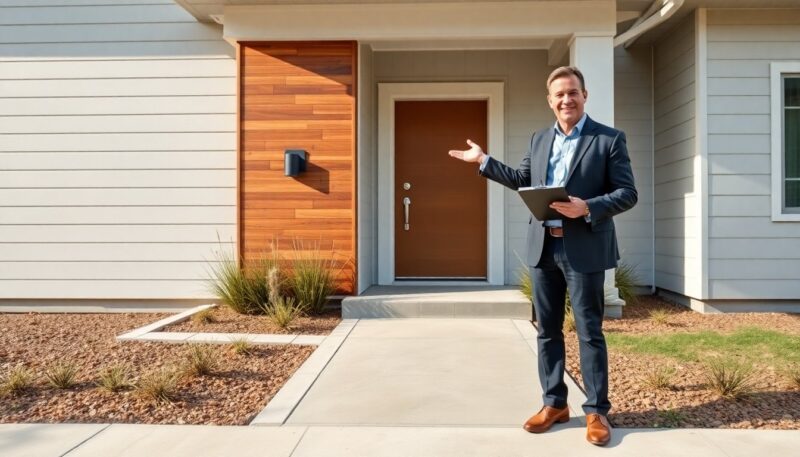
An outdoor kitchen isn’t just a lifestyle upgrade; it also boosts how a home is viewed by future buyers. Real estate agents often point to outdoor living spaces as a feature that makes a listing stand out from others on the block.
If you’re weighing whether the investment makes sense before selling, groups like Huntsville Cash Home Buyers can offer a straightforward read on how upgrades like this affect a home’s value in today’s market, without the guesswork of a traditional listing process.
Talking Through the Budget Side
Costs for outdoor kitchens vary a lot depending on size, materials, and how many appliances are added. A simple grill station costs far less than a full kitchen with a sink, fridge, and pizza oven.
It helps to set a budget early and stick to a list of must-haves before adding extras. Prices can climb quickly once custom stonework or high-end appliances enter the picture.
Many homeowners choose to build in phases, starting with the grill and counter space, then adding features like a bar or fire pit once the first phase is finished and paid off.
|
Quick tip: Get quotes for the full layout upfront, even if you plan to build in phases. It keeps plumbing and electrical work consistent instead of redoing it later. |
Small Yard, Still Doable
A tiny backyard doesn’t rule out an outdoor kitchen. Compact grill carts, foldable counters, and vertical storage let smaller spaces fit the same basic function without feeling cramped.
Even a narrow strip along a fence line can hold a grill, a small counter, and a couple of stools, which is often enough for casual weeknight dinners.
Keeping Everything Running Smoothly
Regular upkeep keeps an outdoor kitchen looking and working like new for years.
- Clean grill grates and burners after each use
- Cover appliances during winter or heavy storms
- Check gas lines and connections once a season
- Reseal stone or concrete surfaces every year or two
An outdoor kitchen turns a plain backyard into a space people actually want to spend time in. From weeknight dinners to weekend cookouts, it gives a home a second gathering spot that feels just as functional as the one indoors. It can also support long-term home maintenance goals by encouraging homeowners to invest in durable outdoor materials and well-planned spaces that remain attractive and functional over time.
Whether you start small with a grill and counter or go all in with a full setup, the payoff shows up in daily life almost immediately. It’s one of those upgrades that keeps paying off long after the last brick is set.
About The Author