
Searching for an apartment can be quite exciting, but between comparing properties, managing your budget, and gathering all the necessary documents, you might get a bit overwhelmed. That means, if you don’t have a clear plan, you’ll probably overlook important details or spend time viewing apartments that aren’t what you’re looking for.
Luckily, having an apartment checklist will make your search much more efficient and stress-free, and it lets you know what to ask the owner. Texas property managers encourage tenant applicants to ask questions about requesting maintenance, especially during emergencies. Now, let’s get into it.
Why Should Tenants Use an Apartment Search Checklist?
Stay Organized During Your Search
An apartment search checklist is basically a guide for your rental journey. Instead of depending on your memory alone, you can use it to track important information, compare properties, and also make sure everything you’ll need for rental applications is ready. For instance, you could find an apartment that looks great at first, but later on, you realize that it’s way above your budget or it lacks some crucial features. That’s why creating a checklist before you start apartment hunting is important, because it helps you map out your priorities and properly evaluate each property you come across.
Be Ready To Act Fast
Apart from this, lots of rental markets move pretty quickly. Having an updated checklist will help you have all your documents and requirements in order in case you ever need to respond fast when you find an apartment that works. Being prepared makes your applications much smoother, plus it reduces your chances of missing out on a property because your information wasn’t ready on time.
What Should Your Checklist Include?
It’s true that your needs as a renter will be different from the next person, but there are still a few key things that should be included on your checklist. Some of them are: a monthly rent budget, a preferred location or neighbourhood, must-have amenities, lease terms, number of bedrooms and bathrooms, security deposit amount, pet policies, and so on. Your list could include more things depending on how specific you want to get in your search.
Financial and Documentation Essentials
Proof of Income
One of the first things a landlord will ask for is your proof of income. This helps them know if you, or other prospective tenants, can afford the monthly rent and other financial obligations. Now, some common forms of proof of income are recent pay stubs, employment letters, tax returns, bank statements, or even alimony payments. However, if you’re self-employed, you might have to bring some additional records to show that your income is stable.
Credit Score & History
Lots of landlords go over your credit history before approving your lease. That’s because your credit report can shed light on your financial habits, including how regularly you pay your bills and manage debt. Thus, you need to know your credit standing before you start looking for apartments.
Also, if anything looks off on your credit report, you may have to look into it before you start submitting any rental applications, or at least prepare a proactive defense, such as getting a guarantor. Even if a landlord doesn’t ask for an excellent credit score, when you’re aware of your financial profile, you’ll be ready for any questions that come up during the application process.
Budget Plan
Setting up a budget is really important when you’re apartment hunting. Thus, before you start viewing properties, you should know exactly how much you can comfortably spend on rent each month. At the same time, you can’t forget that rent is only one part of your housing expenses. Things like utilities, internet, renters’ insurance, and lots of other monthly expenses can significantly affect your overall budget. That’s exactly why a realistic plan is necessary so you don’t overspend.
Other Preferences
Yes, financial considerations are important, but your personal preferences are key in your search for the right apartment. Before your search starts, you should make a list of features that matter most to you. Also, remember that your apartment search checklist should also include preferences such as location priorities, extra features, and pet-friendly options. In addition, separating your preferences into “must-haves” and “nice-to-haves” can make decision-making easier for you.
Is it A Good Idea to Visit Multiple Rental Properties?
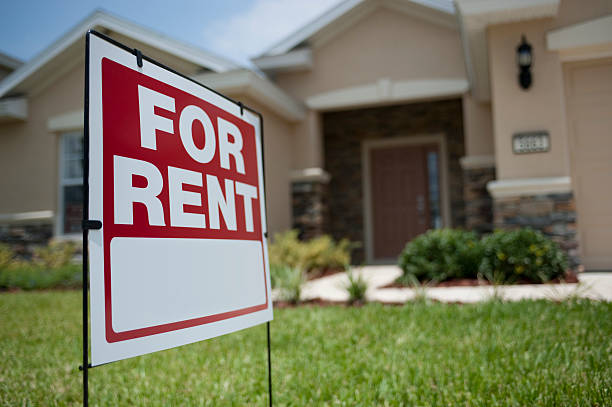
Visiting multiple rental properties is actually a good idea before you make a final choice. When you view lots of apartments, you’ll be able to understand things like pricing, neighborhood conditions, and overall value better. For example, what initially looks like an amazing option can lose its appeal after you compare it with other properties in the area.
Another thing is that apartment tours give you the opportunity to inspect details that may not be obvious in online listings. Basically, you’ll be able to evaluate a property’s condition, storage space, and also ask questions about lease terms or maintenance procedures.
Furthermore, when you compare multiple properties, you’ll feel much more confident in your final choice, and the likelihood of you experiencing renter’s remorse after signing a lease reduces too.
Conclusion
Your search for the right apartment involves much more than just going through listings online. That’s why having a well-prepared apartment search checklist will help you stay organized, compare options effectively, and ensure you have the documents needed to complete rental applications. At the end of the day, with a good plan and a clear checklist, you’ll streamline your apartment search and significantly improve your chances of finding a rental that fits both your lifestyle and your budget.
About The Author