A properly working air conditioning system is essential during the hot and humid summers in Crofton, Maryland. When your AC suddenly stops cooling, it can quickly make your home uncomfortable and frustrating. Many homeowners notice warm air coming from vents, weak airflow, rising indoor temperatures, or higher energy bills before realizing that something is wrong with their cooling system.
Professional air conditioning repair services can help diagnose the issue quickly and restore comfort before the problem becomes more serious. Air conditioners are made up of several complex components, including compressors, refrigerant lines, evaporator coils, thermostats, fans, and electrical systems. Even a small issue in one area can reduce cooling performance across the entire system.
Understanding the most common reasons why an AC system stops cooling can help homeowners recognize warning signs early and know when it is time to call a trusted HVAC professional in Crofton.
Dirty Air Filters Restricting Airflow
One of the most common reasons an AC system stops cooling properly is a dirty air filter. Air filters collect dust, dirt, pet hair, and airborne particles over time. When filters become clogged, airflow becomes restricted.
Poor airflow can cause:
● Weak cooling
● Frozen evaporator coils
● Increased energy bills
● Extra strain on HVAC equipment
Homeowners may notice that certain rooms feel warmer than others or that airflow from vents feels weaker than normal.
Replacing air filters regularly is one of the simplest ways to maintain AC performance and improve indoor air quality. During heavy summer usage, filters may need replacement every one to three months depending on household conditions.
Thermostat Problems
Sometimes the air conditioner itself is not the problem. Incorrect thermostat settings or thermostat malfunctions can prevent the system from cooling properly.
Common thermostat issues include:
● Incorrect temperature settings
● Dead batteries
● Faulty sensors
● Wiring problems
● Calibration errors
If the thermostat cannot accurately read indoor temperatures, the system may cycle incorrectly or fail to cool the home effectively.
Before calling for repairs, homeowners should check:
● That the thermostat is set to “cool”
● The temperature setting is lower than room temperature
● Batteries are working properly
● Circuit breakers are not tripped
Smart thermostats can also experience connectivity or programming issues that interfere with cooling performance.
Refrigerant Leaks
Refrigerant plays a critical role in removing heat from indoor air. If refrigerant levels become too low due to leaks, the AC system cannot cool effectively.
Signs of refrigerant leaks include:
● Warm air from vents
● Ice buildup on coils
● Hissing sounds
● Longer cooling cycles
● Rising energy bills
Low refrigerant levels place additional strain on the compressor, which is one of the most expensive AC components to replace.
Refrigerant handling requires professional certification and specialized equipment, making this a job that should always be handled by licensed HVAC technicians.
Frozen Evaporator Coils
Frozen evaporator coils are another common cause of cooling problems. The evaporator coil absorbs heat from indoor air, but when airflow becomes restricted or refrigerant levels drop, the coil may freeze.
Frozen coils can result from:
● Dirty air filters
● Refrigerant leaks
● Blower fan problems
● Blocked vents
● Dirty coils
Homeowners may notice:
● Weak airflow
● Ice on indoor HVAC components
● Water leaks around the unit
● Reduced cooling performance
If the system continues running while coils remain frozen, further damage can occur.
Turning off the system temporarily may allow the ice to melt, but professional service is usually needed to address the underlying problem.
Dirty Condenser Coils
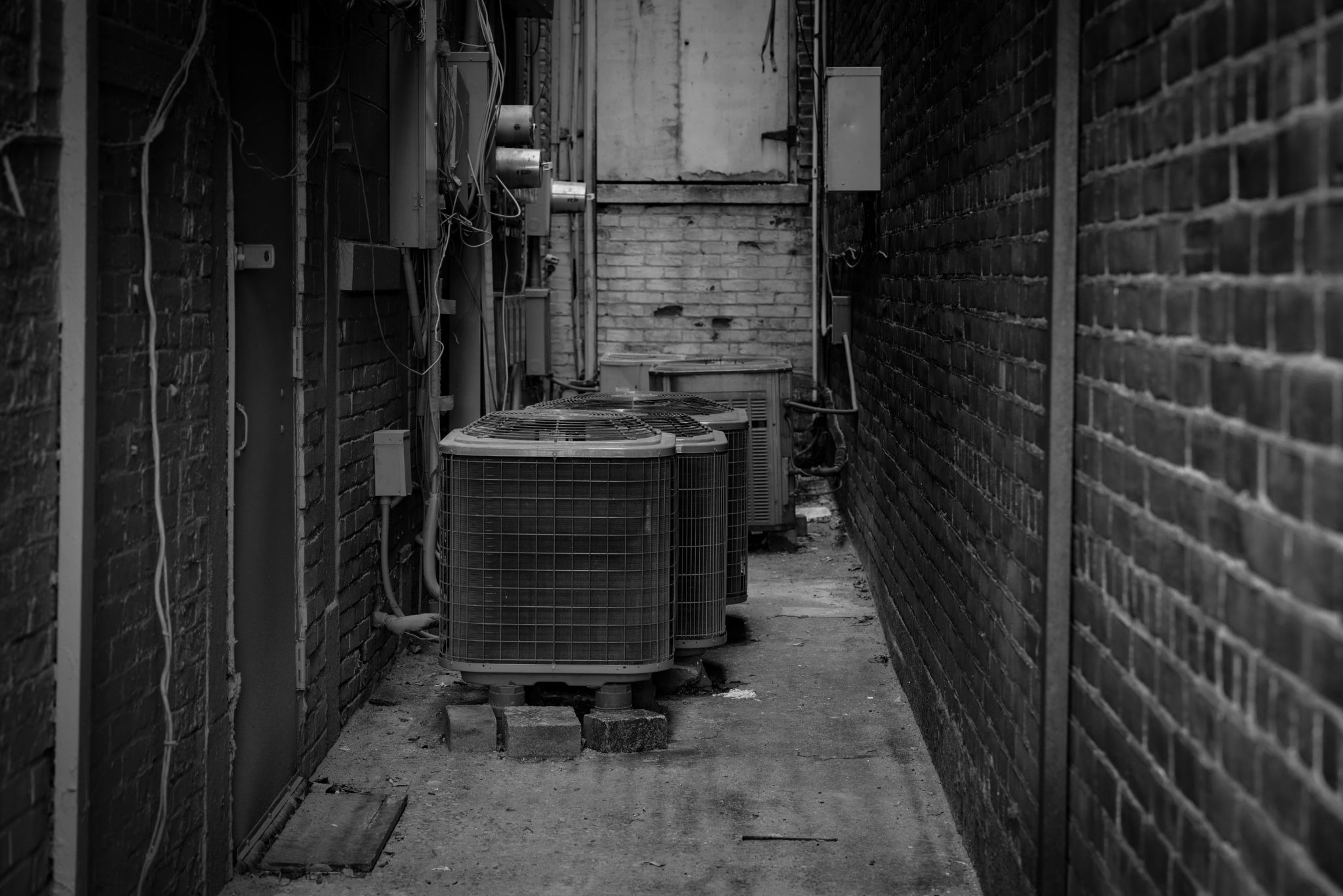
The outdoor condenser unit releases heat removed from the home. Over time, condenser coils can become covered with dirt, leaves, grass clippings, and debris.
Dirty condenser coils reduce heat transfer efficiency, forcing the system to work harder.
This can lead to:
● Reduced cooling
● Higher utility bills
● Overheating components
● System shutdowns
Regular outdoor unit cleaning helps maintain proper airflow and cooling efficiency.
Homeowners should also keep vegetation trimmed around the condenser to allow adequate airflow.
Electrical Component Failures
Air conditioning systems rely heavily on electrical components to operate correctly.
Common electrical issues include:
● Failed capacitors
● Faulty contactors
● Loose wiring
● Tripped breakers
● Damaged relays
Electrical failures may prevent the compressor or fan motors from operating properly.
Signs of electrical problems can include:
● Clicking noises
● Burning smells
● AC not turning on
● Intermittent cooling
● Frequent breaker trips
Because HVAC systems use high-voltage electricity, electrical repairs should always be handled by trained professionals.
Blocked or Leaking Ductwork
Sometimes the AC unit itself is functioning correctly, but conditioned air never reaches the living areas efficiently due to ductwork problems.
Leaky or blocked ducts can cause:
● Uneven cooling
● Weak airflow
● Dust buildup
● Higher energy bills
● Hot and cold spots throughout the home
Older homes in Crofton may especially experience duct leakage due to aging materials or poor insulation.
Professional duct inspections can identify damaged sections, disconnected ducts, or airflow restrictions affecting cooling performance.
Compressor Problems
The compressor is often considered the heart of the air conditioning system. It circulates refrigerant through the HVAC system and helps transfer heat outdoors.
If the compressor fails, the AC system may stop cooling entirely.
Signs of compressor trouble include:
● Loud noises
● Warm air from vents
● System failure to start
● Tripped breakers
● Reduced cooling performance
Compressor repairs can be expensive, especially in older systems. In some cases, replacing the entire system may be more cost-effective than replacing the compressor alone.
Clogged Condensate Drain Lines
Air conditioners naturally remove moisture from indoor air. This moisture drains away through the condensate drain line.
Over time, drain lines can become clogged with:
● Dirt
● Mold
● Algae
● Debris
Blocked drain lines may cause:
● Water leaks
● System shutdowns
● Increased indoor humidity
● Mold growth
Many modern systems automatically shut down when drainage problems are detected to prevent water damage.
Routine HVAC maintenance helps keep drain lines clear and functioning properly.
Incorrect AC Size
An improperly sized air conditioning system may struggle to cool the home effectively.
Oversized systems may:
● Short cycle frequently
● Fail to remove humidity properly
● Create uneven cooling
Undersized systems may:
● Run constantly
● Struggle during extreme heat
● Increase energy consumption
Proper HVAC sizing depends on factors such as:
● Home square footage
● Insulation quality
● Window placement
● Ceiling height
● Local climate
Professional HVAC evaluations help determine whether the current system size matches the home’s cooling needs.
Lack of Preventive Maintenance
One of the biggest causes of AC failure is simply neglecting routine maintenance.
Without regular servicing, small issues gradually become larger problems.
Annual maintenance helps technicians:
● Identify worn components
● Clean critical system parts
● Check refrigerant levels
● Test electrical systems
● Improve airflow
● Prevent breakdowns
Homeowners who invest in preventive maintenance often experience:
● Better cooling performance
● Lower energy costs
● Fewer repairs
● Longer equipment lifespan
Skipping maintenance may save money initially but often leads to more expensive repairs later.
Outdoor Heat and Heavy System Usage
During extreme summer temperatures in Crofton, air conditioners work harder and longer than usual.
High outdoor temperatures combined with heavy humidity can place additional stress on HVAC equipment.
Homeowners may notice:
● Longer cooling cycles
● Difficulty reaching thermostat settings
● Reduced airflow
● Higher energy bills
While some performance reduction during extreme heat is normal, major cooling issues often signal an underlying problem that requires professional inspection.
Warning Signs You Should Not Ignore
Many homeowners delay repairs until the system stops working entirely. However, early warning signs usually appear first.
Call an HVAC professional if you notice:
● Warm air from vents
● Weak airflow
● Strange noises
● Burning smells
● Water leaks
● Frequent cycling
● High humidity indoors
● Rising utility bills
Addressing these problems early helps avoid more serious and expensive damage.
Who to Call for AC Repair in Crofton
When your AC is not cooling properly, it is important to contact a licensed HVAC professional with experience diagnosing residential cooling systems.
Reliable HVAC companies typically offer:
● Emergency repair services
● Same-day appointments
● Licensed technicians
● Transparent pricing
● Maintenance plans
● Indoor air quality services
Experienced technicians can quickly identify whether the issue involves refrigerant, airflow, electrical components, thermostats, compressors, or other system failures.
Choosing a trusted local HVAC company helps ensure accurate repairs and long-term cooling reliability.
How Professional HVAC Technicians Diagnose Cooling Problems
Professional technicians use specialized tools and diagnostic equipment to inspect cooling systems thoroughly.
The diagnostic process may include:
● Testing refrigerant pressure
● Inspecting airflow
● Examining electrical systems
● Checking thermostat communication
● Inspecting ductwork
● Measuring temperature differences
● Evaluating compressor performance
This detailed inspection helps identify both immediate problems and potential future issues.
Preventing Future Cooling Problems
Homeowners can reduce the risk of AC failure by following several preventive steps.
Helpful maintenance habits include:
● Changing filters regularly
● Keeping outdoor units clean
● Scheduling annual maintenance
● Monitoring energy bills
● Keeping vents unobstructed
● Addressing small issues early
These simple steps help improve system efficiency and reduce long-term repair costs.
Final Thoughts
When an AC system stops cooling properly, the problem can range from something simple like a dirty filter to more serious issues involving refrigerant leaks, electrical failures, or compressor damage. Ignoring early warning signs often allows problems to worsen, leading to higher repair costs and greater discomfort during hot Maryland summers.
Professional HVAC technicians in Crofton can diagnose cooling problems accurately and restore indoor comfort quickly. Whether the issue involves airflow restrictions, frozen coils, thermostat malfunctions, or aging equipment, timely repairs help protect both the HVAC system and the home itself.
By staying proactive with maintenance and contacting experienced HVAC professionals at the first sign of trouble, homeowners can keep their air conditioning systems operating efficiently and reliably throughout the cooling season.
About The Author