Hidden water damage is one of the scariest problems any homeowner can face.
It begins small. A small leak. A brown spot on the ceiling. A funky smell you can’t quite identify…
And before you know it, water damage behind your walls has cost you thousands of dollars and put your family’s health at risk. The good news? Most hidden water damage has early warning signs, if you know what to look for.
What you’ll discover:
- Why Hidden Water Damage Is Such A Big Problem
- The Top Early Warning Signs To Watch For
- Mold Prevention After Flooding
- When To Call In The Experts
Why Hidden Water Damage Is Such A Big Problem
Water damage happens way more often than most homeowners think.
An estimated 14,000 individuals in the U.S. face a water damage emergency every day. In addition, 98% of basements will experience some form of water damage during their lifespan. That is alarming!
Here’s the thing… Concealed water damage is the worst. Why? Because it’s happening in secret. It’s not visible to you. But while you’re out living your life, water is penetrating deep into your drywall, flooring, and insulation.
And that’s where mold prevention after flooding is so important. After the water has been trapped in your home, it becomes a breeding ground for mold to develop. In fact, FEMA reports that mold can develop on wet materials in as little as 24-48 hours.
Got recent flooding or a burst pipe at home in the Lancaster area? Speed is of the essence. Certified Lancaster water damage specialists can thoroughly dry out your home and prevent mold before it starts. Beating that 48-hour mark can be the difference between simple repairs and a huge remediation bill.
Catching the early warning signs is the best defence you have.
The Top Early Warning Signs To Watch For
Detecting concealed water damage early depends on being aware of what you need to find. Here are the most common warning signs you should be aware of.
Musty Odours You Can’t Pin Down
This is usually the very first warning sign.
If you walk into a room and smell a damp, earthy, or musty smell that lingers… There is a good chance you have concealed moisture somewhere. That smell is often the result of mold or mildew growing inside your walls, under floors, or in your HVAC system.
Trust your nose. If a room smells off, don’t ignore it.
Stains, Spots & Discolouration
Walk slowly around your house and examine the walls and ceilings. Check for:
- Yellow or brown stains
- Dark rings around light fixtures
- Patchy discoloured spots
Tiny stains can signal large issues within the drywall. Water stains form when the moisture penetrates the material and deposits minerals as it evaporates.
Peeling Paint Or Bubbling Wallpaper
Paint and wallpaper can’t adhere to wet walls. Trapped moisture behind wallpaper or paint causes… Separation from the wall.
Don’t assume paint failure means a poor paint job. If paint is peeling, blistering, or cracking, there is typically a moisture problem.
Warped Floors Or Sagging Ceilings
Wooden floors that buckle. Laminate that lifts at the seams. Ceilings that bow downward.
These are major red flags. Wood and drywall soak up water like a sponge, and one inch of water in a home can equal $25,000 in damage.
By the time you spot these signs, the damage is usually extensive.
A Sudden Jump In Your Water Bill
Did your water bill suddenly go up for no good reason?
A hidden leak is one of the most common offenders. According to the EPA, hidden leaks are responsible for wasting close to 10,000 gallons of water per year in the average home. That’s a lot of wasted water… And a lot of potential damage.
Here is a quick check you can do:
- Turn off every tap in your home
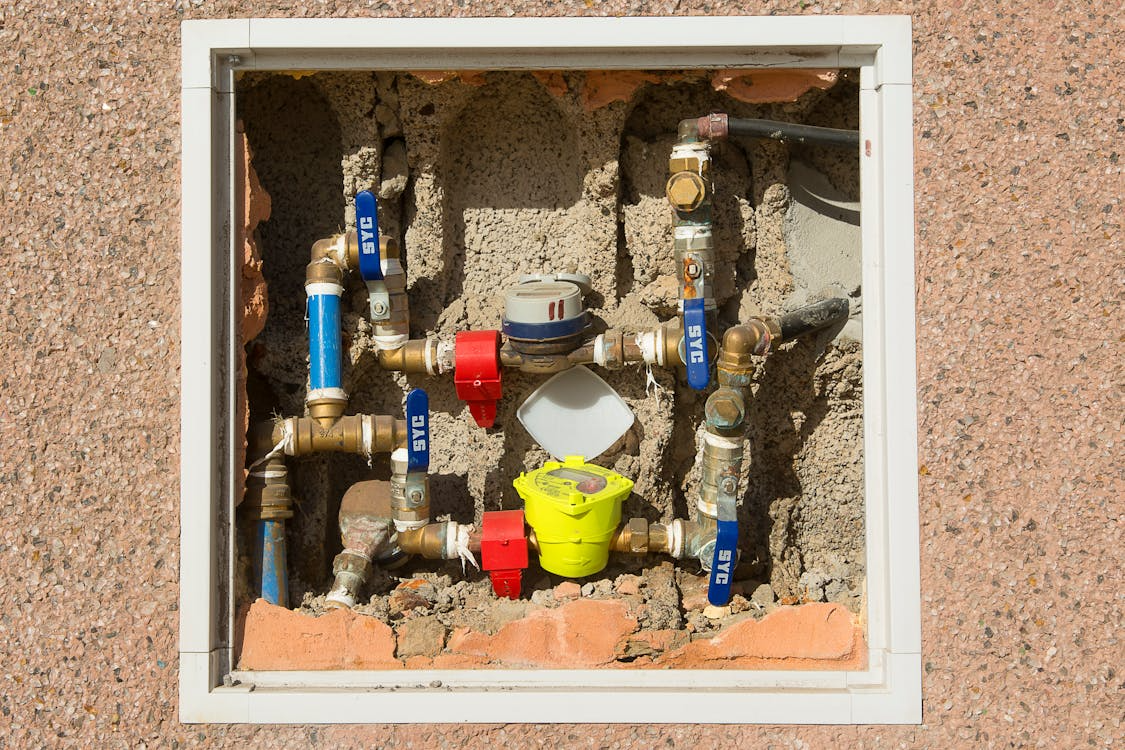
- Check your water meter
- Wait 30 minutes without using any water
- Check the meter again
If the meter has moved, you have a leak somewhere.
Too Much Humidity Or Condensation
A home that feels constantly humid or sticky is telling you something important.
Increased humidity usually indicates a hidden water source. Check for:
- Foggy windows
- Condensation on pipes
- Damp-feeling carpets or rugs
Higher humidity also speeds up mold growth, which makes everything worse over time.
Strange Sounds
Hearing dripping when no taps are running? A soft running sound inside your walls?
It’s those background noises can indicate that there’s a pipe leaking behind the scenes. Don’t ignore odd sounds, especially at night, when the house is quiet.
Mold Prevention After Flooding
If your home has experienced flood or storm damage, or has had a burst pipe, your first priority is to get everything dried out quickly.
Note: Mold can develop in 24-48 hours. This is not an approximation. It is a countdown.
Steps to take right away:
- Remove standing water with pumps or wet vacuums
- Open windows and doors for fresh air
- Use fans and dehumidifiers to dry the area
- Pull up wet carpets and padding
- Remove wet drywall 12 inches above the waterline
- Throw away soaked insulation
Speed is the single most important factor in preventing mold from spreading through your house after a flood.
When To Call In The Experts
Some water damage is small enough that a towel and a fan can do the trick. But most hidden water damage is best left to the professionals.
Call a pro if:
- You smell mold but can’t find where it’s coming from
- You see stains that are getting bigger
- Floors or ceilings are sagging or warped
- Your home has been flooded
- Water damage is inside walls or under floors
Experts have the right tools (moisture meters and thermal imaging cameras) to locate hidden damage… And the right training to repair it correctly.
Final Thoughts
Hidden water damage never repairs itself. Every day you ignore the warning signs… The damage grows, the bill increases, and the health risks multiply.
To quickly recap, keep an eye out for:
- Musty smells
- Stains or discolouration
- Peeling paint
- Warped floors
- Higher water bills
- Constant humidity
Identifying any of these signs early is the difference between a minor repair and a major remodeling project. Also, after any flooding event, acting quickly is the best form of mold prevention you have.
Be observant, trust your instincts and call a professional if you ever feel something is wrong.
About The Author