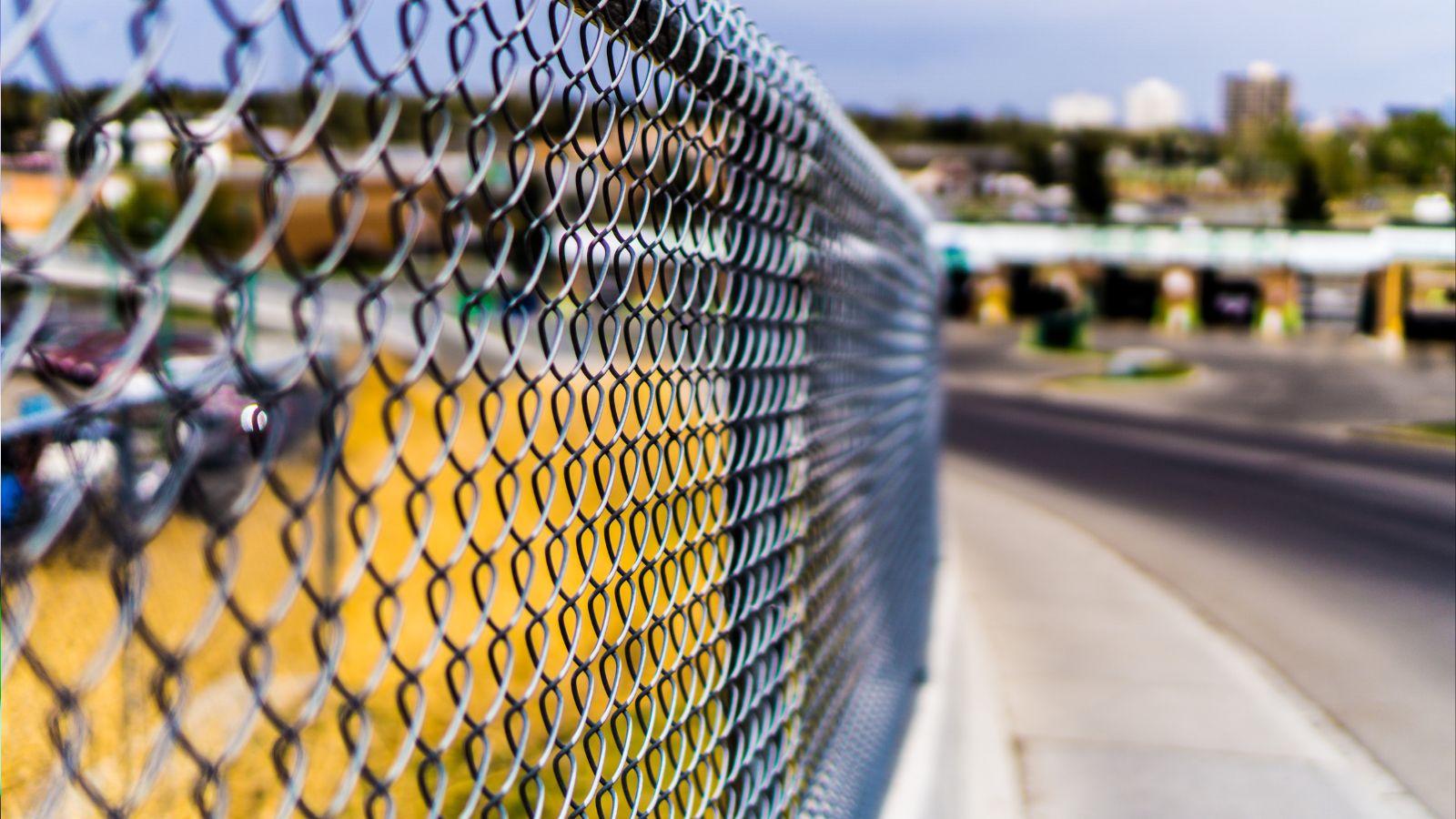
A chain link fence gets judged fast. Some homeowners see it as practical and cost-conscious, especially when considering chail link fence installation for durability and affordability. Others see it as too utilitarian for a front yard. A fence company that understands local weather, drainage, grade, and maintenance needs can usually spot that difference early. Companies that handle chain link fence installation across Mercer Island and nearby parts of King and Snohomish counties often recognize these patterns sooner, which is exactly why Mercer Island fencing decisions tend to be more nuanced than they first appear.
That matters even more for homeowners sorting through wood versus composite or trying to judge whether an older structure can still be protected. For homeowners already comparing fence work with input from deck builders or thinking about how a new fence will sit next to outdoor decks, that broader exterior context matters too. Composite decking offers better resistance to moisture, rot, staining, and fading than traditional wood.
When Chain Link Fence Is a Smart Choice for Fence Installation
There is a reason chain link fence installation stays popular. It is usually one of the more affordable ways to enclose a property, especially when the layout is simple. Nationally, professional chain-link fence installation in 2026 often falls in the $10 to $40 per linear foot range, with broader project pricing sometimes landing between about $9 and $46 per linear foot depending on height, gauge, and site conditions. In Seattle, many residential projects fall between roughly $1,596 and $4,020. For most homeowners, cost matters. So does durability.
For a quick baseline, here is what homeowners usually compare first before looking at layout, slope, gates, and site conditions.
| Cost or scope factor | Typical range |
| National installation cost | $10 to $40 per linear foot |
| Broader installed cost range | $9 to $46 per linear foot |
| Typical Seattle residential project | $1,596 to $4,020 |
| Standard residential project size | 150 to 200 linear feet |
| Typical professional installation time | 1 to 2 days |
A link fence also works well when visibility is a plus. If you want to define a fence line without fully closing off the yard, chain link can provide security and create a clear boundary without making the property feel boxed in.
Chain link also uses straightforward materials and hardware. Terminal posts, line posts, tension bars, tension bands, gates, and chain link fabric all have clear roles in the system. Gauge matters more than many homeowners expect, since lower numbers mean a thicker, stronger chain that can raise project cost. That also makes repairs and future gate installation easier than with more decorative fence types.
Where Chain Link Fence Works Best Along a Fence Line
In practical terms, a chain link fence works best where function matters more than appearance. Backyards, side yards, utility areas, dog runs, and larger open properties are common examples. It can also be a durable choice for commercial installations and commercial projects where clean lines and clear boundaries matter more than style. On Mercer Island, though, homeowners often compare chain link against cedar privacy fencing, modern horizontal board designs, aluminum options, and hog wire panels framed with cedar before deciding what fits the property best.
This kind of fence is also useful when site conditions are not ideal. Sloped ground, long runs, and awkward property lines can push up the cost of a more decorative fence project. When a fence runs across a slope, installers usually choose between a stepped layout and a racked or raked layout, depending on the grade and the look the homeowner wants. Chain link can be easier to install across uneven areas, especially when a fence company has the right specialized equipment, from post hole diggers to a power auger.
For some homeowners, that is enough to make it the go-to option.
Why Cost Is Not the Only Question for Curb Appeal
Low cost does not answer everything. A fence can look affordable on a per linear foot basis and still feel wrong once it is installed.
A chain link fence may not suit properties where curb appeal matters as much as containment. If the house has a polished exterior, custom landscaping, or an outdoor space meant for entertaining, chain link can look too utilitarian. In those cases, a split rail fence, wood fence, or vinyl fence may do a better job of complementing the property, depending on the material selection and how the finished fence will look once it is installed. That is especially true where homeowners want privacy, since privacy fencing is often built with solid wood or vinyl panels around six feet high rather than open mesh.
This is especially true in places where neighborhood character matters. On Mercer Island fencing decisions often involve more than raw cost. Homeowners may be thinking about visual fit, resale presentation, and how the fence looks next to the house. Cedar remains a common point of comparison here because it is valued for its natural look, customization options, and durability in Pacific Northwest weather, with Western Red Cedar especially known for rot resistance and resistance to decay and insects.
The Parts Behind the Price: Chain Link Fabric and Gate Post Details
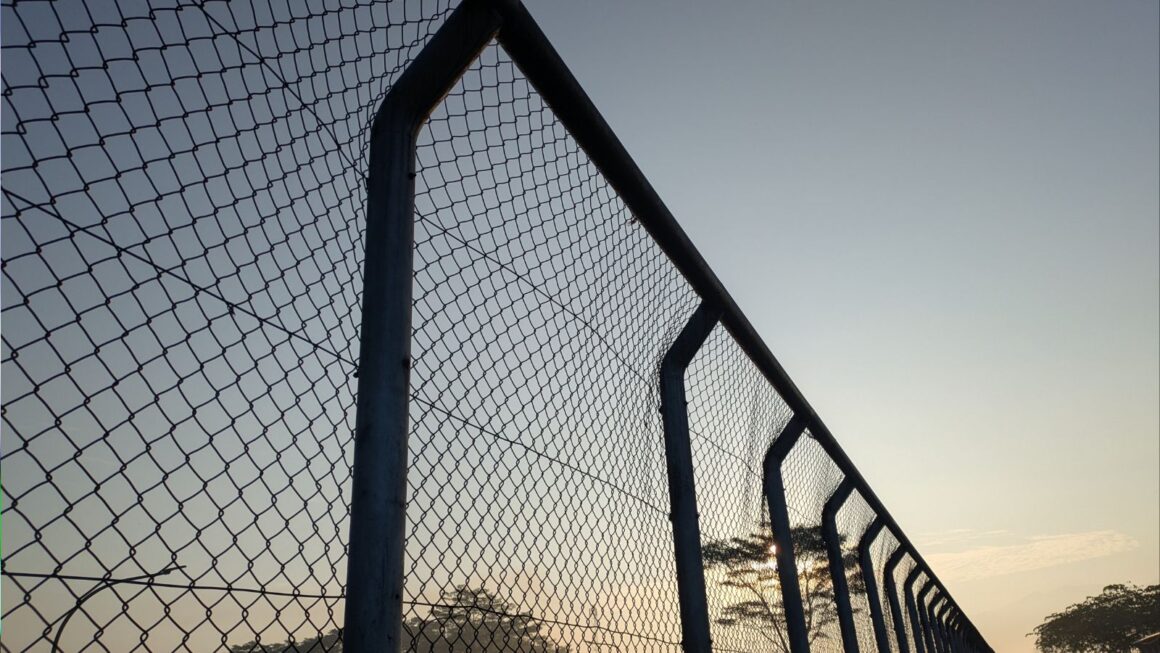
Fence cost depends on more than the chain link fabric itself. Fence height affects material requirements. So does gauge number, since heavier gauge materials cost more. More gates mean more hardware, more labor, and often another gate post or extra gate frame. Corner posts, terminal posts, and corner and gate posts need proper support. The concrete mix matters too. For a standard residential installation of roughly 150 to 200 linear feet, professional crews can often finish the work in one to two days when access and layout are straightforward.
Then there is the labor side. A fence installer has to verify property lines, pull a clean string line, review local building codes, and confirm that underground utilities marked on-site actually match the dig plan before work starts. In many areas, that also means checking with the local building department about permit rules before installation begins. Rocky soil, narrow access, or more complex installation details at the job site can push project costs up quickly.
That is why honest pricing matters more than the cheapest number someone writes down first.
When a Chain Link Fence Project Does Not Make Sense
A chain link fence may not be the best fit when privacy is the main goal, when the yard needs a softer look, or when the fence is meant to play a larger design role. It also may not make sense if the old fence was removed because the property needed more than a simple replacement.
DIY installations can look appealing, especially when the material seems basic. In practice, fence installation is harder than it looks. Posts need to be set correctly, gates need to swing and latch properly, and line posts and terminal posts need correct spacing. If the chain link fabric is not stretched well, even quality materials can look loose in the finished fence.
That is where quality work and quality craftsmanship separate a lasting fence from one that looks tired too soon. In damp Pacific Northwest conditions, details like post protection matter, which is one reason some contractors use post-on-pipe construction to reduce the risk of premature rot at ground level.
The Better Way to Decide with a Fence Company
A chain link fence makes the most sense when you look at it as a functional tool rather than a universal answer. It can work well for residential fencing, residential installations, and many outdoor projects. At the same time, it can miss the mark when design goals are higher, and curb appeal carries more weight.
A good fence company should be able to explain that without forcing the same solution onto every property. Not every yard needs the same material choice. Not every new fence should follow the same template. The best fencing company will look at site conditions, budget, fence height, gate details, and the property as a whole before recommending what to install, using the best materials for the setting and clear communication from estimate to completion.
That is the real question: not whether chain link is good or bad, but whether it fits the job. If it does, it can be practical, low maintenance, and cost-effective. If it does not, forcing it into the wrong setting usually shows.
About The Author