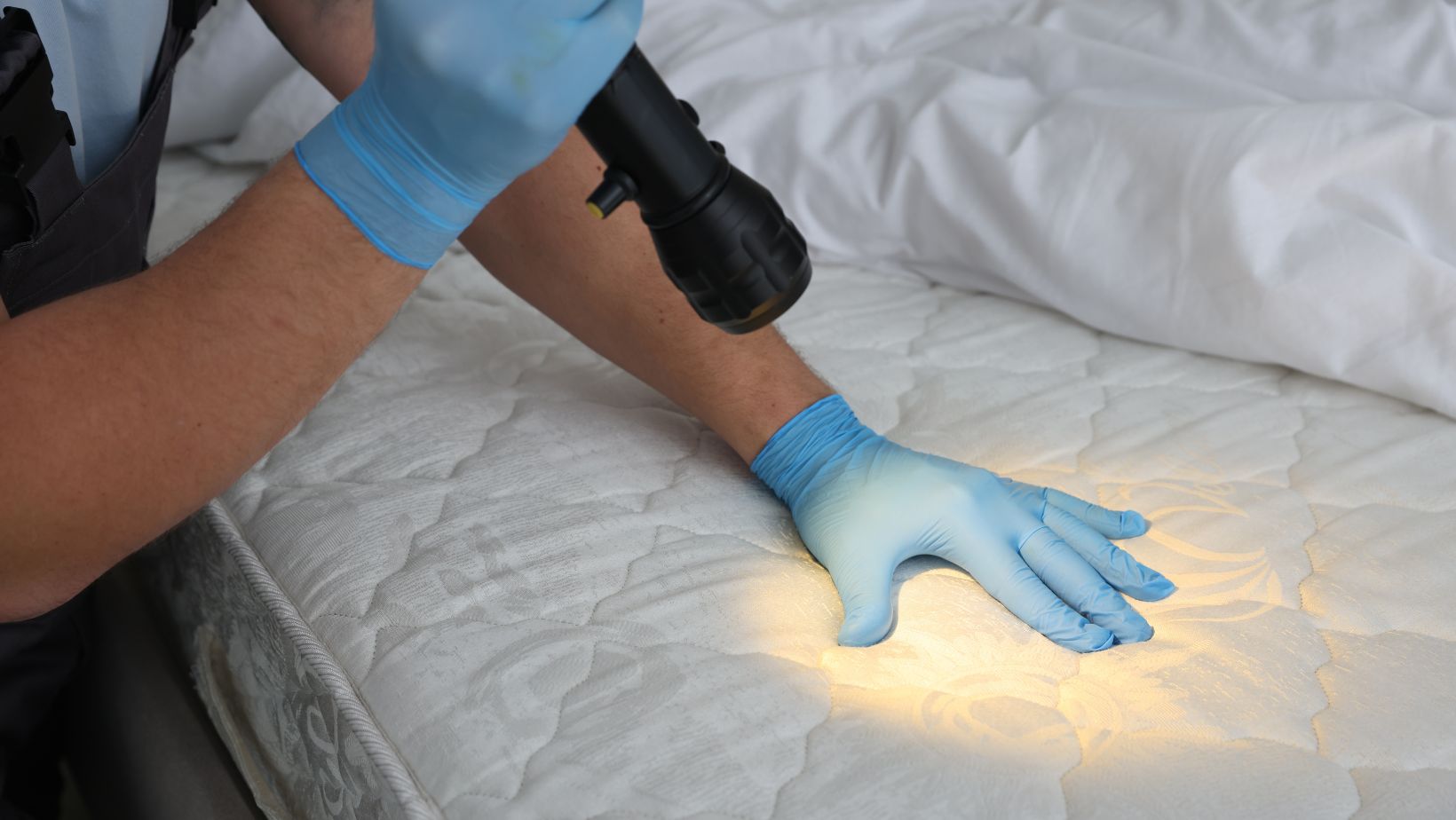
Bed bugs are masters of staying out of sight—and that’s what makes them so stressful. By the time you’re noticing bites, specks on bedding, or a musty “sweet” odour in the room, the infestation has often had time to spread beyond one mattress. The good news is that professional treatment is typically very effective when it follows a clear process: confirm the problem, treat it thoroughly, and verify that it’s gone.
If you’re considering bringing in a specialist, it helps to know what the service should look like from start to finish. Here’s what a well-run professional bed bug treatment usually involves, what you’ll be asked to do, and how to judge whether the plan you’re being offered is likely to work.
The Initial Assessment: Confirming It’s Really Bed Bugs
A reputable company won’t jump straight to spraying. The first step is an inspection designed to answer three questions:
1) Where are they hiding?
Bed bugs don’t live “on” people, and they don’t only live in beds. Common harbourages include mattress seams, headboards, bed frames, skirting boards, bedside furniture, upholstered chairs, and curtain hems. In heavier infestations, they can spread behind wallpaper edges, inside sockets, and along cracks in flooring.
2) How extensive is the infestation?
This determines the scope: a single room might be treatable in one visit plus follow-up, while multi-room spread can require a more intensive plan. Good technicians will look for signs like cast skins, live insects, eggs, and faecal spotting.
3) What factors affect the treatment choice?
Expect questions about occupants (children, pets, allergies), the layout of the property, clutter levels, and whether any DIY pesticides have already been used. That last point matters more than people realise—misapplied products can drive bed bugs deeper into hiding and make them harder to reach.
Treatment Planning: Methods, Timelines, and What “Success” Looks Like
Once bed bugs are confirmed, the technician should outline a treatment strategy and set expectations. A key thing to understand: bed bug elimination is rarely a one-and-done event. Eggs can survive initial applications, and some insects may avoid contact with treated surfaces until later. That’s why follow-ups and monitoring are part of a professional approach.
Heat, insecticides, or integrated treatment?
Most reputable services use an Integrated Pest Management (IPM) mindset—combining targeted chemical applications, physical methods, and practical advice to reduce reinfestation risk. Depending on the property and provider, you may be offered:
- Residual insecticide treatment (targeted to harbourages and travel routes, not a blanket “fog”)
- Heat treatment (raising room temperatures to lethal levels for bed bugs across life stages)
- Steam application to seams and cracks where direct contact is possible
- Dust formulations in voids (e.g., behind skirtings or inside wall cavities) where appropriate and safe
Around this point, many people also want to compare what a professional programme looks like in their area. If you’re researching professional bed bug eradication in London homes, it’s worth looking for providers who clearly explain their inspection process, treatment sequence, and follow-up schedule—those details often tell you more than any headline claim.
Preparation: What You’ll Be Asked to Do (and Why It Matters)
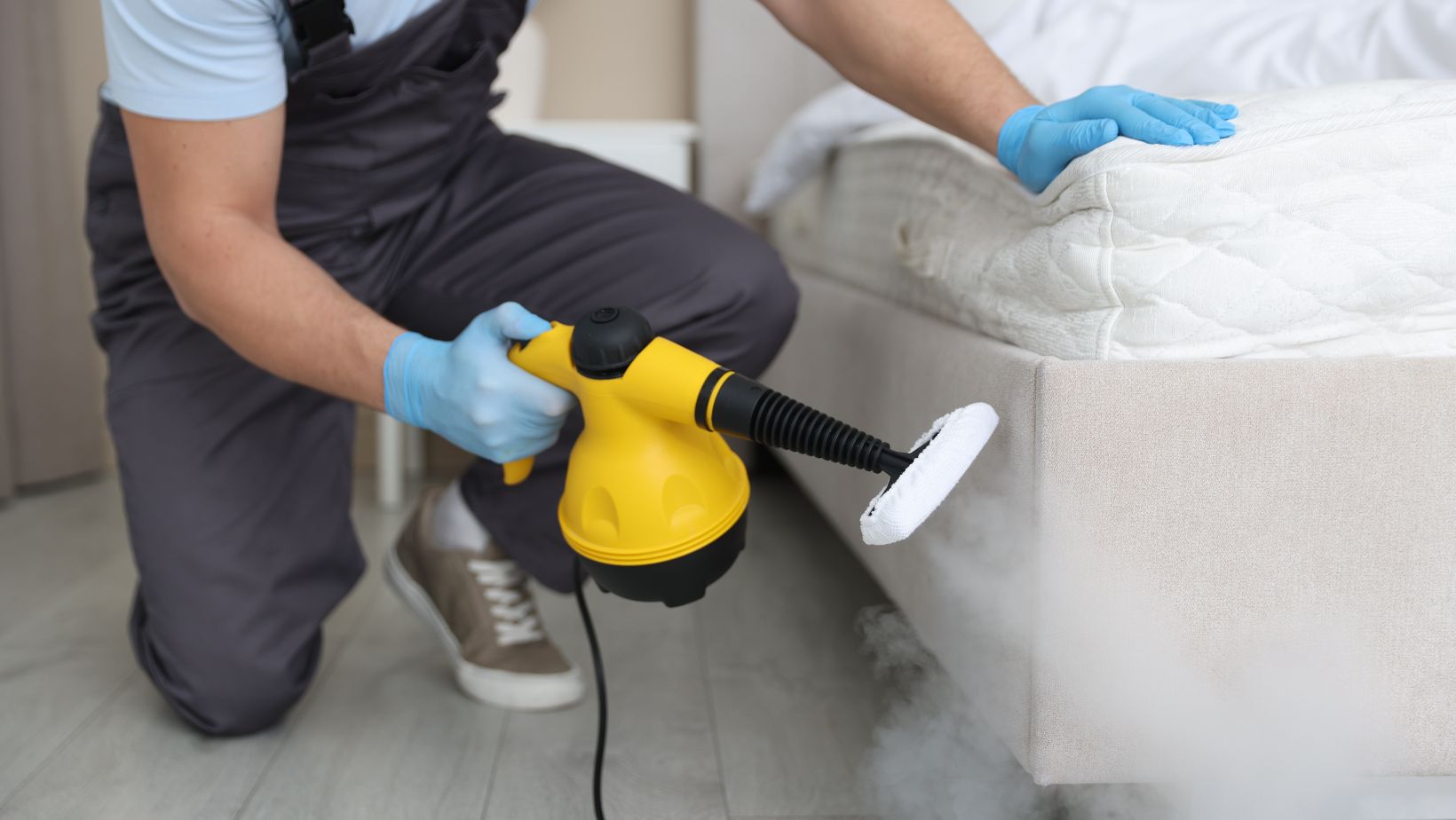
Professional treatments work best when the environment is set up to help them. Preparation isn’t busywork; it’s about exposing hiding places and preventing bed bugs from hitchhiking into other rooms.
A good company will give you a written prep sheet. While instructions vary by method, the most common requests include:
- Bagging and laundering bedding and clothing from affected rooms (hot wash and high-heat dry where fabric allows)
- Reducing clutter, especially around beds and skirting boards, so technicians can access harbourages
- Pulling beds and furniture slightly away from walls where possible
- Vacuuming carefully (and disposing of the vacuum contents immediately in a sealed bag)
- Avoiding moving unbagged items into “clean” rooms to prevent spreading
One important nuance: you’re often advised not to dismantle the whole room in a panic. If you scatter belongings across the house, you can create new satellite infestations. The goal is controlled, contained preparation.
The Treatment Visit: What Actually Happens on the Day
On treatment day, expect the technician to work systematically. They should be wearing appropriate PPE and using products consistent with label directions and local regulations.
Targeted application, not “fog and hope”
If someone proposes a single aerosol fogger as the main solution, be cautious. Foggers can miss harbourages and may push bed bugs into deeper cracks. Professional treatment typically focuses on:
- Mattress seams, bed frames, headboards, and nearby furniture joints
- Skirting board edges, floor cracks, and likely travel routes
- Soft furnishings only where appropriate and safe
- Voids and crevices using dusts or specialised equipment when needed
Safety instructions you should receive
You may be asked to leave the property for a set period (common with certain insecticide applications). You should also be told when it’s safe to re-enter, ventilate rooms, and resume normal activities. Clear guidance around pets, aquariums, and sensitive individuals is a must.
Follow-Up and Verification: The Part That Separates Pros From “One-Visit” Promises
The follow-up is where many infestations are truly finished off. Bed bug eggs can hatch days after an initial treatment, and newly emerged nymphs need to contact treated areas or be targeted in subsequent visits.
What follow-up typically includes
A professional service will often schedule one or two return visits depending on infestation severity and treatment type. During these visits, they’ll re-inspect key harbourages, re-treat where necessary, and assess whether activity is declining.
You can also expect guidance on monitoring—sometimes with interceptors under bed legs or advice on what signs to watch for. The goal isn’t just “fewer bites,” but evidence that the population has collapsed.
Costs, Guarantees, and Red Flags to Watch For
Prices vary widely based on property size, number of rooms affected, treatment method, and follow-up schedule. When comparing quotes, focus less on the lowest number and more on what’s included.
Reasonable signs of a solid service
- A structured inspection and written treatment plan
- Transparent explanation of the method and why it fits your situation
- A follow-up schedule (not optional or vague)
- Clear prep and aftercare instructions
Red flags
- “Guaranteed eradication in one visit” without inspection details
- Heavy reliance on fogging as the core approach
- No discussion of preparation or follow-up
- No clear guidance on safety, re-entry, or prevention
Aftercare and Prevention: Keeping Them From Coming Back
Once treatment is underway, a few habits reduce the risk of reinfestation:
Be cautious with second-hand furniture, especially beds and sofas. When travelling, keep luggage off the bed, inspect mattress seams in hotels, and unpack directly into the wash when you return. If you live in multi-unit housing, report issues early—bed bugs can move between neighbouring flats along shared service routes.
Most importantly, don’t blame yourself. Bed bugs aren’t a cleanliness issue; they’re a hitchhiker issue. Professional treatment works best when you understand the process, follow the preparation steps, and insist on proper follow-up. That combination—thoroughness plus verification—is what turns a miserable problem into a closed chapter.
About The Author