In Abilene, Texas, where summer temperatures regularly climb above 95°F and winter nights can drop below freezing, a functioning air conditioning system isn’t a luxury—it’s a necessity. The region’s climate extremes place constant demands on HVAC equipment, making timely maintenance and repair critical for both comfort and cost control. Understanding when and how to address AC issues can mean the difference between a minor fix and a complete system replacement.
Common AC Problems in Abilene’s Climate
West Texas homeowners face a predictable set of air conditioning challenges, many directly tied to the region’s environmental conditions. Dust storms and high winds introduce debris into outdoor units, while extreme heat cycles stress compressors and refrigerant lines. The most frequent issues include:
- Clogged air filters: Abilene’s dusty conditions require more frequent filter changes than coastal or forested regions
- Refrigerant leaks: Temperature fluctuations cause expansion and contraction in copper lines, eventually creating weak points
- Compressor failure: Units running continuously during summer months experience accelerated wear
- Thermostat malfunctions: Electrical components degrade faster in high-heat environments
- Condenser coil damage: Hail and wind-blown debris can bend fins and reduce efficiency
Neglecting these issues reduces system efficiency by up to 25% and can shorten equipment lifespan by several years. In a climate where air conditioning accounts for a significant portion of household energy use, that inefficiency translates directly to higher utility bills.
The Economics of Preventative Maintenance
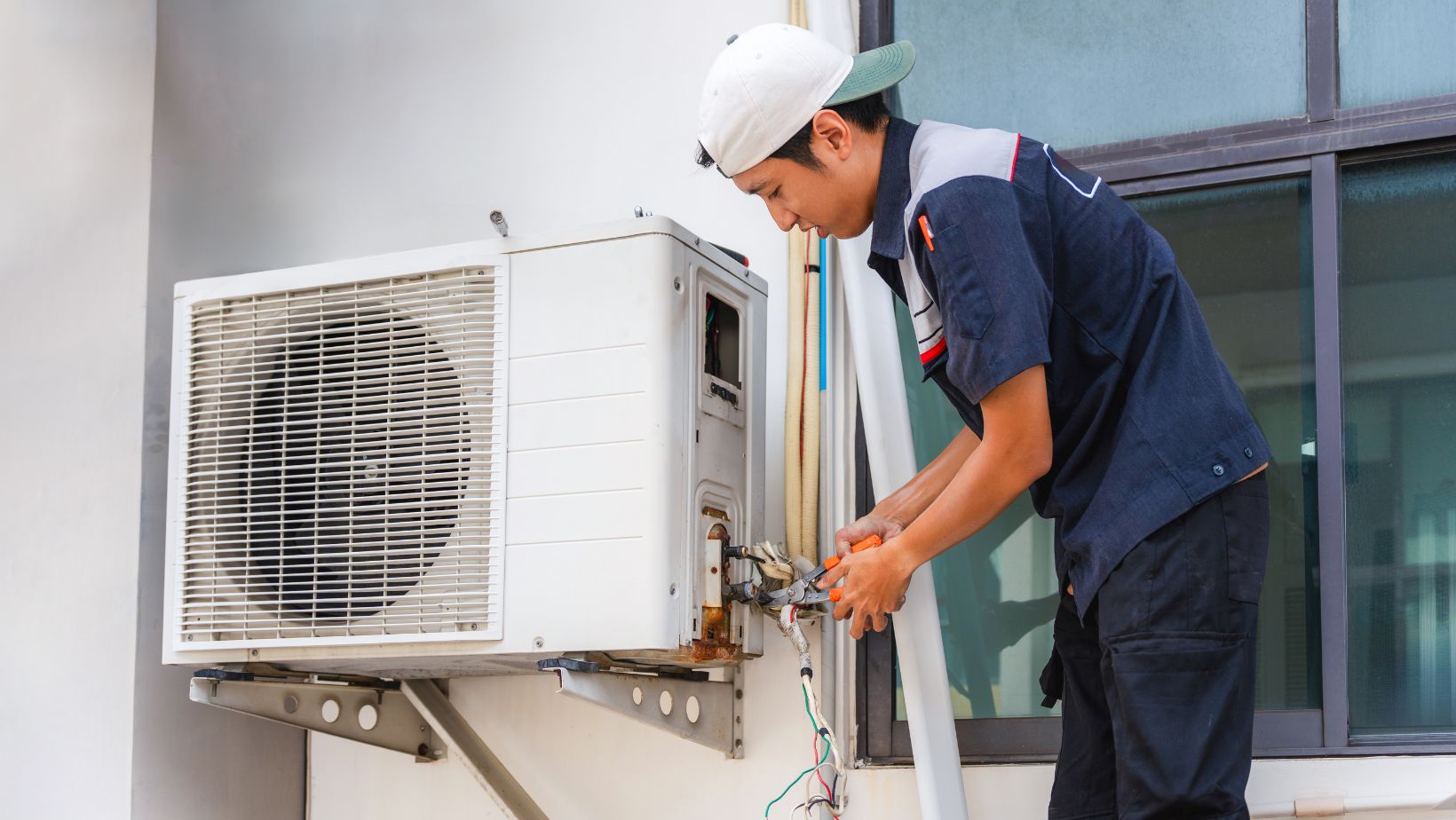
Regular HVAC maintenance operates on a simple principle: small investments prevent large expenses. A typical tune-up costs between $75 and $150, while emergency repairs during a July heat wave can easily exceed $500—and that’s assuming the problem doesn’t require component replacement.
Professional maintenance visits typically include refrigerant level checks, electrical connection inspections, condensate drain clearing, and airflow measurements. These services identify developing problems before they cause system failures. Properly maintained systems last 40% longer than neglected ones, with annual energy costs reduced by 15-20%.
For Abilene residents, this maintenance schedule should align with seasonal demands. Pre-summer inspections in April or May ensure systems are ready for peak cooling season, while fall check-ups prepare heating components for winter operation.
Energy Efficiency and Modern HVAC Technology
The HVAC industry has undergone significant technological advancement in recent years, with innovations that directly address both performance and energy consumption. Modern systems incorporate features that would have been considered premium options just a decade ago:
- Variable-speed compressors: These adjust output to match actual cooling demand rather than cycling on and off, reducing energy waste and temperature fluctuations
- Smart thermostats: Learning algorithms optimize runtime based on occupancy patterns and weather forecasts
- Two-stage cooling: Systems run at lower capacity during moderate conditions, reserving full power for extreme heat
- Advanced air filtration: HEPA and electrostatic filters remove particulates that reduce efficiency and indoor air quality
Improved filtration systems also reduce respiratory irritants, particularly important in areas with high pollen counts and dust exposure like West Texas.
Selecting HVAC Services in Abilene
The local HVAC market includes both national chains and independent contractors, each with distinct advantages. Abilene-area homeowners have turned to providers like Quality Cooling Heating & Plumbing, One Hour Heating & Air Conditioning, and Bob Hamilton Plumbing Heating & Cooling depending on their needs and location. When evaluating service providers, homeowners should prioritize several key factors:
- Licensing and insurance: Texas requires HVAC contractors to hold specific licenses; verify credentials through the Texas Department of Licensing and Regulation
- Response time: During peak summer months, same-day emergency service can be critical
- Warranty coverage: Reputable companies stand behind their work with comprehensive guarantees
- Transparent pricing: Detailed estimates prevent surprise charges
- Equipment expertise: Technicians should be familiar with major brands and current technology
Regional Considerations: Abilene vs. Georgetown
While both Abilene and Georgetown experience hot Texas summers, their HVAC service markets differ in meaningful ways. Georgetown’s proximity to Austin creates a more competitive service environment with higher technician availability, while Abilene’s smaller market means fewer but often more established local providers.
Climate variations also influence service needs. Georgetown’s slightly higher humidity levels—typically 5-10% above Abilene’s—place different demands on dehumidification components. Abilene’s greater temperature extremes and dust exposure require more frequent filter maintenance and outdoor unit cleaning.
Service pricing tends to be comparable between the two markets, though Georgetown’s larger contractor pool may offer more promotional pricing during off-peak seasons. Both regions benefit from Texas’s competitive HVAC market, which keeps service rates reasonable compared to coastal metropolitan areas.
Indoor Air Quality Beyond Temperature Control
Modern air conditioning systems serve dual purposes: temperature regulation and air quality management. In Abilene, where outdoor air quality can be compromised by agricultural dust, pollen, and occasional wildfire smoke, indoor air filtration becomes particularly important.
Advanced HVAC systems now incorporate multi-stage filtration, UV light purification, and humidity control that addresses more than just comfort. These features reduce allergens, eliminate mold growth conditions, and remove volatile organic compounds from indoor air.
For households with respiratory sensitivities or young children, investing in enhanced filtration capabilities often provides health benefits that justify the additional cost. These systems require more frequent filter replacement but deliver measurably cleaner indoor environments.
When Repair Becomes Replacement
Every air conditioning system eventually reaches the point where continued repairs no longer make economic sense. Industry professionals typically apply the “50% rule”: if repair costs exceed half the price of a new system, and the unit is more than 10 years old, replacement usually offers better long-term value.
Additional factors influence this decision. Systems using R-22 refrigerant (phased out in 2020) face increasingly expensive recharge costs as supplies dwindle. Units with SEER ratings below 13 consume significantly more energy than modern 16+ SEER systems, making upgrades financially attractive even when older equipment still functions.
For Abilene homeowners, the calculation should also consider local climate demands. A system that might last 15 years in a moderate climate may only provide 10-12 years of reliable service when running continuously through West Texas summers. Planning for eventual replacement—and budgeting accordingly—prevents emergency purchases during peak season when prices and wait times are highest.
Maximizing System Longevity
Beyond professional maintenance, homeowners can take several steps to extend equipment life and maintain efficiency:
- Clear outdoor units: Maintain 2-3 feet of clearance around condensers; remove debris after storms
- Change filters monthly: In Abilene’s dusty environment, standard 90-day air filters often clog within 30 days
- Use programmable thermostats: Reducing runtime when homes are unoccupied decreases wear and energy costs
- Seal ductwork: Leaking ducts waste up to 30% of cooled air; professional sealing pays for itself within 2-3 years
- Shade outdoor units: Strategic landscaping can reduce condenser temperatures by 10°F, improving efficiency
These practices complement professional service rather than replacing it. Even well-maintained systems require expert inspection to identify issues invisible to homeowners, such as refrigerant pressure imbalances or electrical connection degradation.
The Bottom Line on AC Maintenance
In Abilene’s demanding climate, air conditioning reliability directly impacts quality of life and household budgets. The combination of preventative maintenance, timely repairs, and eventual strategic replacement creates the most cost-effective approach to long-term comfort. While the upfront costs of regular service may seem discretionary, they pale in comparison to emergency repairs, inflated energy bills, and premature system replacement.
Homeowners who treat HVAC maintenance as essential rather than optional consistently report fewer breakdowns, lower utility costs, and longer equipment lifespans. In a region where air conditioning isn’t optional, that reliability is worth the investment.
About The Author