Plumbing problems rarely appear suddenly, they usually develop over time through small, unnoticed issues. In Australian homes, factors like mineral buildup, ageing pipes, fluctuating temperatures, and high water pressure all contribute to wear and tear. What begins as a slow drain or minor leak can quickly escalate into water damage, mould growth, or expensive repairs if left unchecked.
Preventing these problems is less about reacting and more about building consistent habits. With a mix of routine checks, smart daily practices, and timely professional support, homeowners can significantly reduce the risk of costly plumbing failures.
Understanding Why Plumbing Problems Develop
Most plumbing issues are the result of gradual buildup or system strain. Pipes carry water daily under pressure, and over time, materials wear down, connections loosen, and blockages form.
In Australian conditions, exposure to heat and UV can also affect outdoor pipes, while debris and grease buildup commonly lead to internal blockages. Understanding these underlying causes helps homeowners take preventative action rather than waiting for visible damage to occur.
Preventing Blockages Before They Start
Blocked drains are one of the most common and avoidable plumbing issues. Everyday habits, such as pouring grease down the sink or flushing inappropriate items, are often the main cause.
Simple changes can make a big difference. Avoid putting oils, food scraps, and non-biodegradable items into drains, and use strainers to catch debris before it enters the system.
Regularly flushing drains with hot water and cleaning buildup helps maintain flow and prevents long-term blockages.
Detecting Leaks Early to Avoid Damage
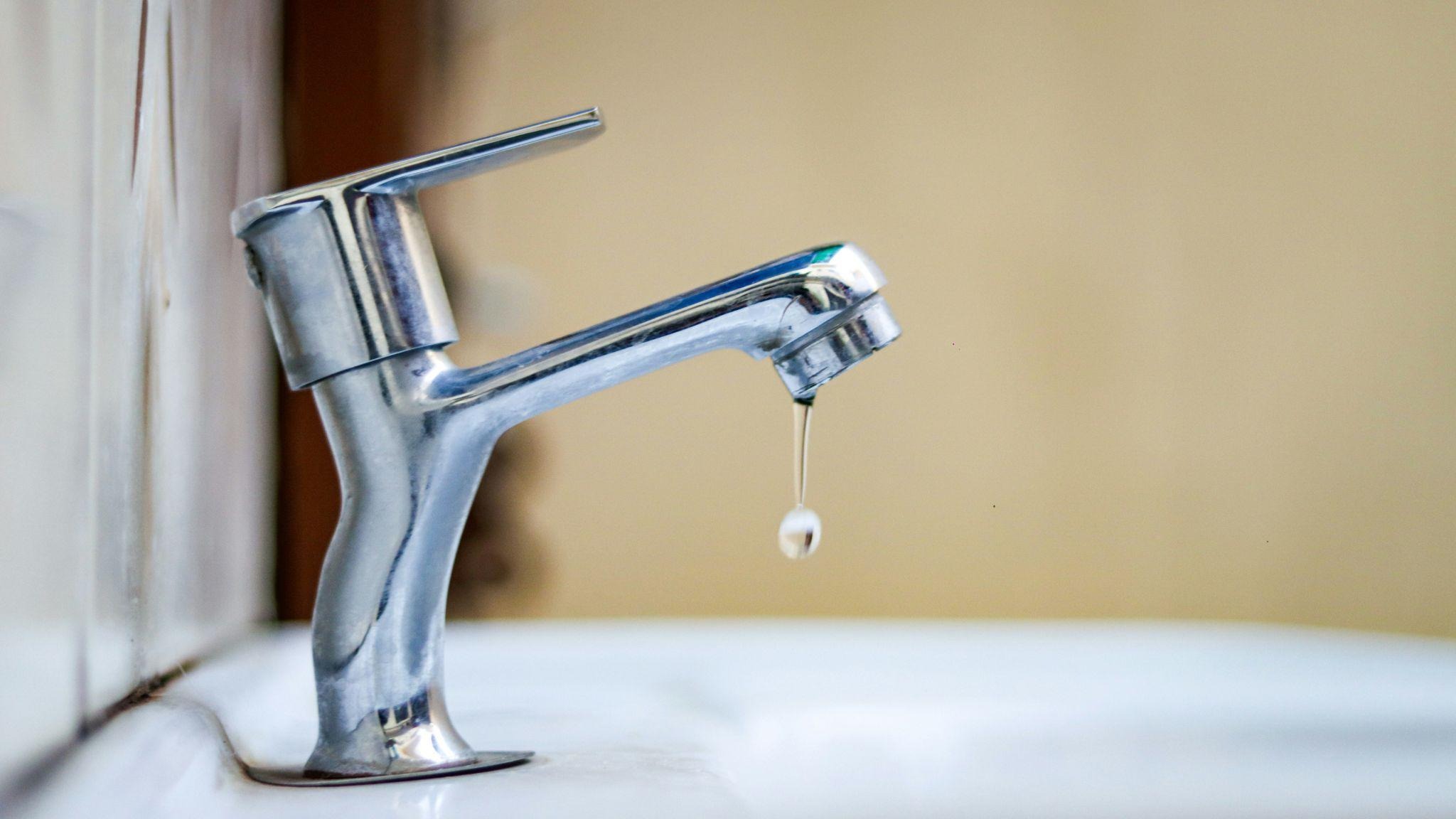
Leaks are one of the most expensive plumbing problems when left undetected. Even a small drip can lead to significant water loss and structural damage over time.
Signs such as damp patches, unusual smells, or increased water bills often indicate hidden leaks. Regular inspections of visible pipes, fittings, and under-sink areas help catch these issues early.
Routine plumbing checks are one of the most effective ways to prevent internal water damage, which is a major cause of costly home repairs.
Knowing When to Bring in Professional Help
While many preventative steps can be handled independently, some issues require expert attention. Persistent leaks, recurring blockages, or system-wide pressure problems often indicate deeper faults.
Working with plumbing experts in Wheelers Hill allows homeowners to address issues before they escalate into major repairs. Professional inspections can also identify hidden problems that are not visible during routine checks, helping maintain long-term system reliability.
The Importance of Water Efficiency in Australian Homes
Water efficiency is a key consideration in Australia, where conservation plays a major role in both environmental policy and household costs. Even small plumbing inefficiencies, like slow leaks or outdated fixtures, can lead to significant water waste over time.
According to Melbourne Water, household leaks and inefficient fixtures can result in substantial unnecessary water use if not addressed promptly. This highlights how small issues, when ignored, can have both financial and environmental consequences.
By maintaining systems properly and addressing faults early, homeowners can reduce water usage, lower bills, and contribute to broader conservation efforts.
Managing Water Pressure and System Stress
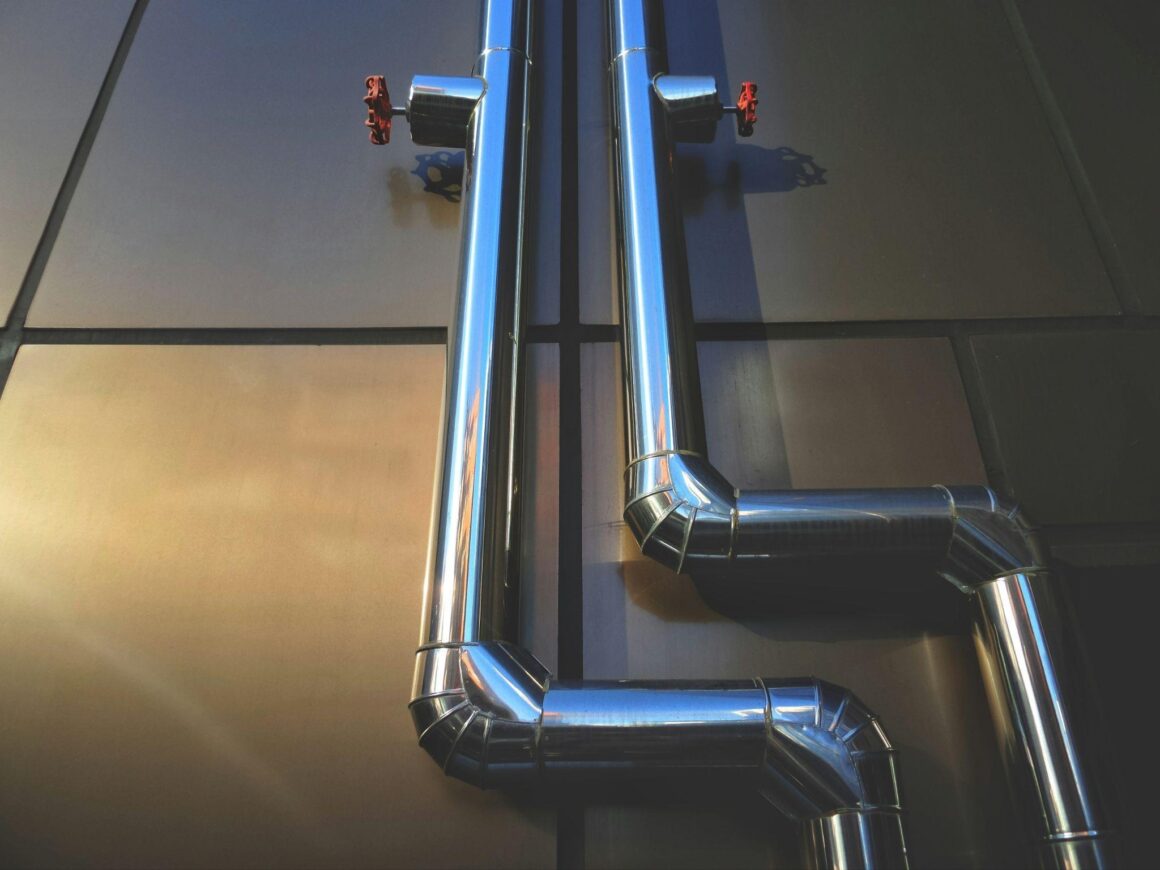
Water pressure that is too high can place unnecessary strain on pipes, fixtures, and appliances. Over time, this pressure increases the risk of leaks and pipe failure.
Installing pressure regulators and monitoring changes in flow can help maintain system balance. Addressing pressure issues early prevents long-term damage and extends the life of plumbing components.
Maintaining Fixtures and Appliances
Fixtures such as taps, toilets, and hot water systems require regular attention to remain efficient. Worn seals, loose fittings, or sediment buildup can all affect performance.
Checking these components regularly helps prevent small faults from becoming larger problems. For example, replacing a worn washer is far simpler and cheaper than repairing water damage caused by a leak.
Consistent maintenance ensures that fixtures operate efficiently and reduces the likelihood of sudden failures.
The Role of Regular Inspections in Long-Term Prevention
Preventative plumbing maintenance is most effective when it is consistent. Regular inspections, both DIY and professional, help identify early warning signs before they become serious.
Monthly checks of taps, drains, and visible pipes, combined with periodic professional assessments, create a balanced approach to maintenance. These inspections help maintain system reliability and reduce the risk of unexpected failures.
Over time, this proactive approach leads to fewer emergencies and lower overall repair costs.
Building Everyday Habits That Protect Your Plumbing
Some of the most effective preventative measures come from daily habits. Being mindful of what goes down drains, avoiding overloading systems, and responding quickly to small issues all contribute to long-term system health.
Even simple actions, like running hot water after use or checking for unusual sounds, can help maintain flow and detect problems early.
Consistency in these habits ensures that plumbing systems remain efficient and reliable.
Preventing Problems Before They Become Expensive
The key to avoiding costly plumbing repairs is early action. Most issues develop gradually, and addressing them at the first sign prevents escalation.
Regular maintenance, smart usage habits, and timely professional support create a system that works efficiently over time. Instead of reacting to emergencies, homeowners who take a preventative approach maintain control over both costs and comfort.
In the end, preventing plumbing problems is not about complex solutions, it’s about consistency, awareness, and making small decisions that protect the home over the long term.
About The Author