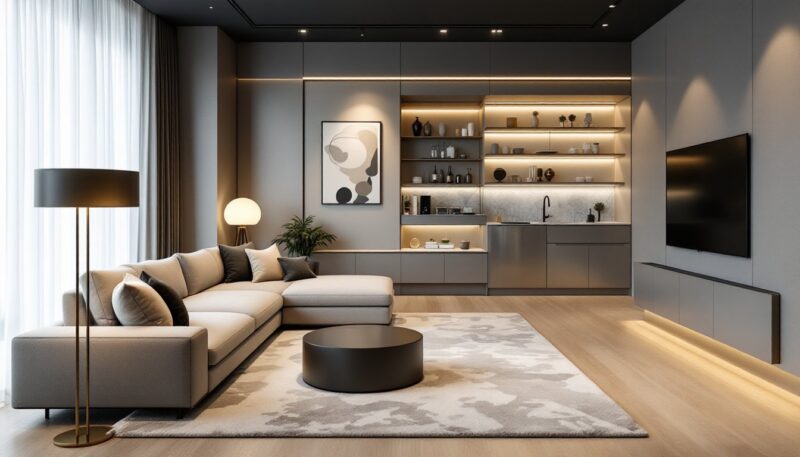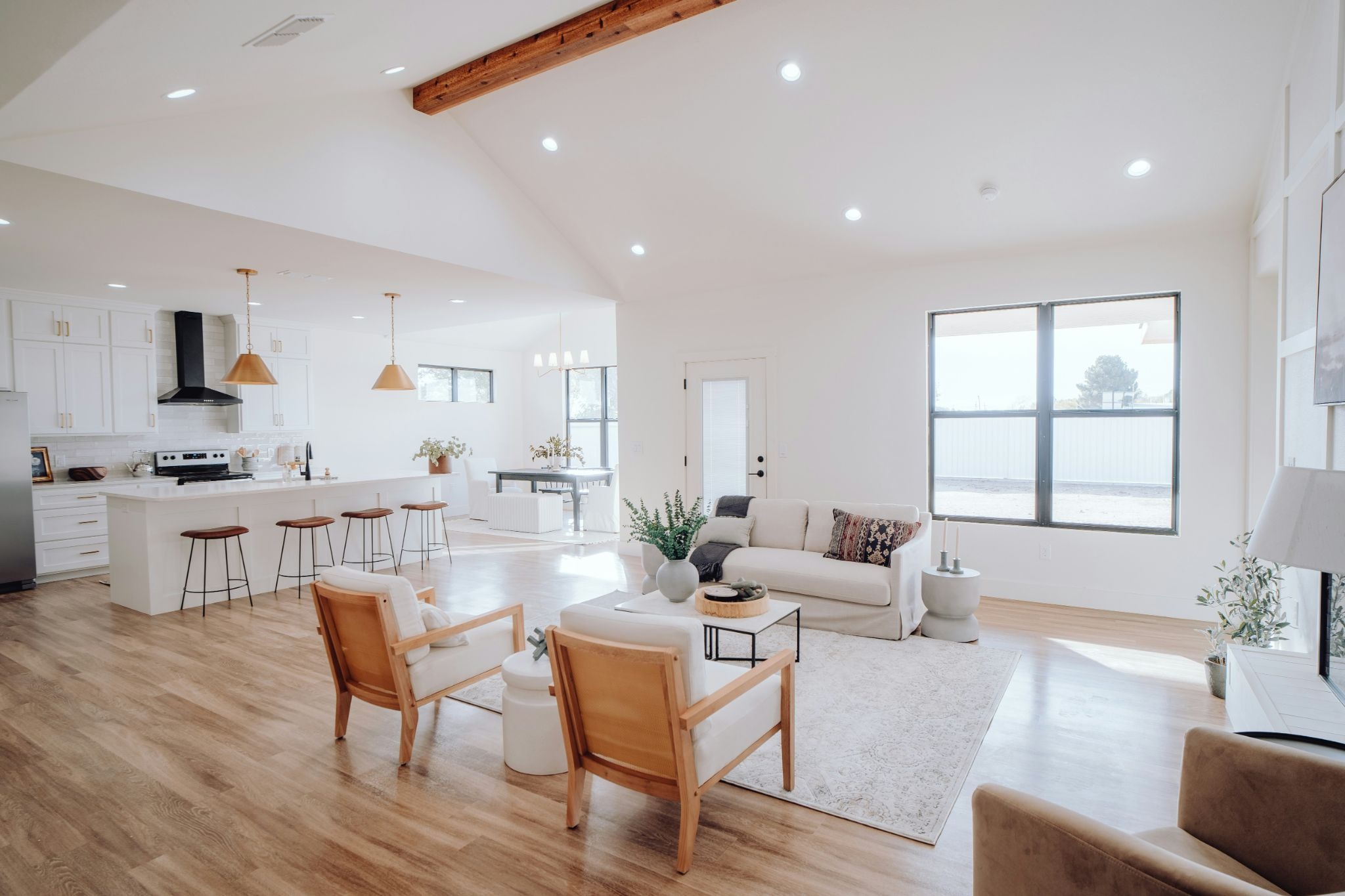
The modern home is no longer a single-purpose space. It functions as office, entertainment hub, social venue, and recovery zone. Digital platforms operate within this environment continuously. Notifications, live dashboards, and immersive interfaces compete for attention.
For professionals and decision-makers, this convergence creates both opportunity and risk. Digital entertainment offers stress relief and cognitive stimulation. However, unmanaged engagement fragments focus and reduces productivity.
Strategic balance requires understanding how attention is engineered and how home environments influence cognitive control.
High-Engagement Digital Platforms and Attention Architecture
Gaming and entertainment ecosystems are designed around structured engagement loops. They rely on real-time feedback, performance indicators, and reward cycles. Every interaction produces immediate reinforcement.
A consolidated platform such as a desi app illustrates how centralized gaming environments combine live updates, interactive dashboards, and seamless navigation. The operational value of such platforms lies in integrated design. Users access multiple gaming categories, real-time features, and performance data within a unified interface. This structural cohesion minimizes friction and maximizes engagement continuity.
For professionals analyzing digital influence patterns, three mechanisms stand out:
- Immediate feedback reinforces repeated behavior.
- Structured navigation reduces cognitive resistance.
- Unified dashboards sustain session duration.
These mechanisms explain why high-engagement apps retain attention effectively.
Feedback Loops and Dopamine Cycles
Interactive platforms rely on measurable outcomes. Wins, progress indicators, and real-time updates generate neurological reinforcement. Short response cycles strengthen habit formation.
In the home environment, this dynamic competes directly with deep work tasks. Emails and reports do not provide instant gratification. Gaming dashboards do.
Professionals must recognize that attention is not lost randomly. It is redirected toward faster reward cycles.
Seamless Interface Design
Integrated dashboards reduce friction. Users transition between features effortlessly. When navigation feels intuitive, exit probability decreases.
Home productivity suffers when entertainment interfaces outperform work tools in usability. Clunky internal systems discourage sustained focus. Efficient entertainment apps win the attention battle.
Continuous Availability
Unlike traditional entertainment schedules, digital platforms operate continuously. Access requires no preparation. A device within reach creates immediate engagement potential.
The home environment therefore becomes an always-on attention ecosystem.
Designing Home Environments for Focus and Control
Attention architecture within apps can be counterbalanced by environmental architecture within homes. Design influences behavior.
DrHomey’s focus on structured living spaces reflects principles supported by behavioral science. Physical organization shapes cognitive clarity.
Environmental Zoning
Professional performance improves when spaces are purpose-defined. A dedicated work zone signals cognitive mode shift. A separate leisure zone supports recovery.
Blurring these zones increases distraction probability. If gaming devices sit directly beside workstations, attention migrates easily.
Environmental separation reduces impulsive switching.
Visual Simplicity and Cognitive Load
Clutter increases cognitive noise. Organized surfaces improve concentration. Minimal visual distraction strengthens focus.
Digital engagement thrives in stimulating environments. Work thrives in simplified environments.
Home design should prioritize visual clarity within work areas.
Scheduled Digital Windows
Total elimination of digital entertainment is unrealistic. Structured scheduling aligns recreation with productivity.
Professionals can implement defined leisure windows after priority tasks. Predictable boundaries prevent continuous micro-interruptions.
Discipline supports balance.
Strategic Framework for Attention Control
Balancing engagement apps and productivity requires intentional structure.
Professionals can implement the following framework:
- Audit daily digital usage to identify peak distraction periods.
- Redesign physical workspace to separate work and leisure devices.
- Establish scheduled recreation intervals aligned with task completion milestones.
This structured approach converts impulse into choice.
Technology Discipline Within the Home
Device placement influences usage frequency. Smartphones on desks increase micro-check behavior. Gaming platforms accessible during work hours increase temptation.
Practical adjustments improve outcomes. Charging devices outside the workspace reduces spontaneous interaction. Logging out of non-essential platforms during work sessions increases friction intentionally.
Friction becomes protective rather than limiting.
The Role of Recovery in High Performance
Entertainment platforms serve legitimate recovery functions. Cognitive fatigue reduces performance. Structured recreation restores energy.
However, recovery must be proportional. Extended unscheduled sessions erode productivity gains.
Professionals should measure output rather than hours worked. If output declines, digital discipline requires recalibration.
Organizational Leaders and Remote Teams
For decision-makers managing distributed teams, attention architecture extends beyond personal homes. Remote employees operate within similar digital environments.
Leadership policies should emphasize results-based evaluation rather than constant availability. Clear performance metrics reduce the need for intrusive monitoring.
Autonomy combined with accountability fosters trust.
Data-Informed Personal Optimization
Digital platforms use analytics to refine engagement loops. Professionals can apply similar measurement to productivity.
Tracking focused work intervals, task completion rates, and distraction frequency provides objective insight.
Data-driven self-management mirrors gaming engagement analytics.
Long-Term Sustainability
Attention balance is not achieved through short-term restriction. It requires structural alignment between environment, schedule, and digital usage patterns.
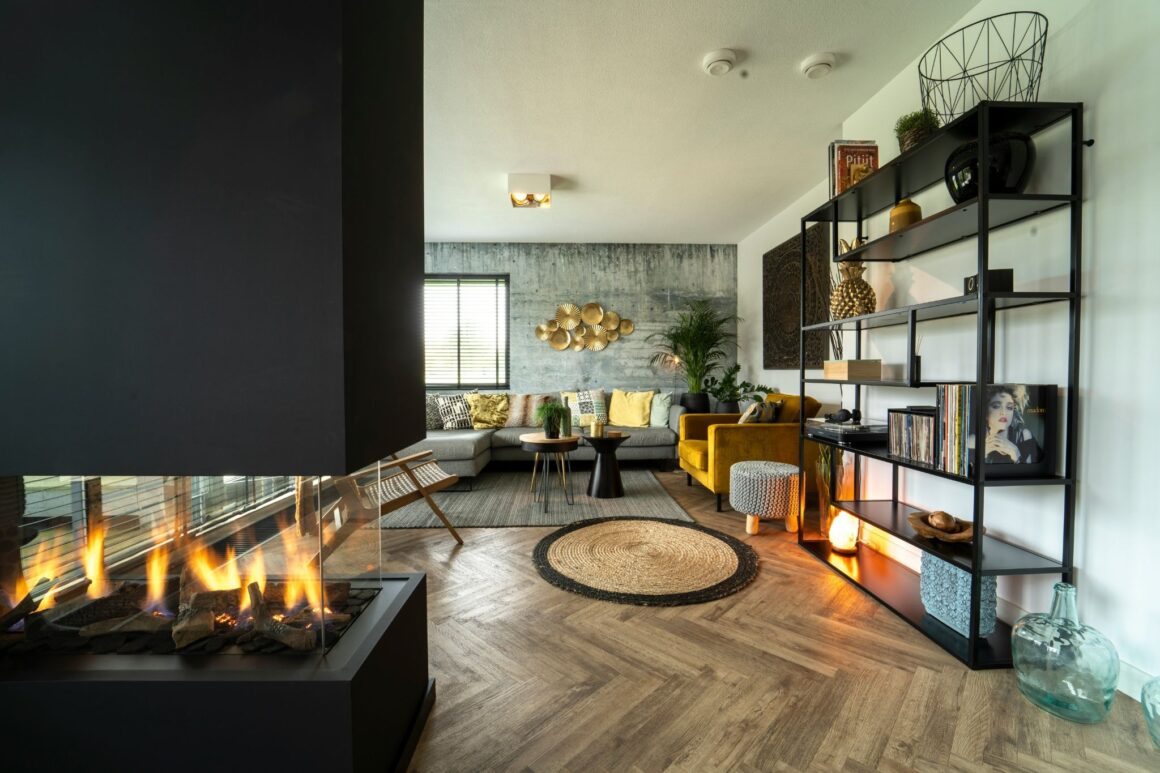
Professionals who intentionally design home ecosystems experience higher output stability. Emotional regulation improves. Decision clarity strengthens.
Digital entertainment remains part of life, but it becomes scheduled rather than dominant.
Conclusion
High-engagement digital platforms demonstrate how structured feedback loops and seamless interfaces capture attention effectively. The same principles, when understood strategically, enable professionals to design distraction-resilient home environments.
Balancing entertainment and productivity requires environmental zoning, scheduled digital windows, and data-informed self-assessment. Structured boundaries transform impulse into intention.
For decision-makers, the lesson is clear. Attention is engineered. Sustainable performance depends on aligning digital architecture with disciplined home design. When structure guides both environment and engagement, professionals achieve consistent output without sacrificing restorative leisure.
About The Author