Emergencies rarely unfold with warning. Sudden fall, dizziness, or an impromptu health problem can unravel in a short period of time, particularly when no assistance is close by. In addition, relying on conventional systems of alerts may cause delays, misunderstandings, or oversights.
With the increasing independence and pace of daily life, the demand for responsive and reliable safety systems is also increasing. Fortunately, technology is changing the way these systems work; they are becoming quicker, more precise, and simpler to use.
This article discusses how modern developments are making personal medical alarms smarter and more practical in real-world situations.
1. Real-Time Monitoring Is Enhancing Immediate Response
Delays can be a major factor when timing is of the essence. That is precisely where Personal medical alarms have become better with real-time monitoring features. In comparison to the previous systems, which were limited by connectivity, the new devices are made to remain constantly connected to the monitoring centers.
Once the alert is triggered, the signal is sent immediately. This will enable the trained responders to evaluate the situation immediately and take necessary action. In addition, intelligent routing has become the norm in many systems, and as such, emergency alerts are addressed first.
Moreover, a uniform safety net is established through real-time monitoring. The system is active and responsive even when you are in other rooms or cannot use a phone. This, in turn, minimizes the risk of delayed help and provides quicker intervention in emergency cases.
System reliability is another factor. These devices have good connectivity with better network integration, thus minimizing the chances of signal failure. Consequently, you can rely on them even in stressful situations.
2. Two-Way Communication Is Improving Emergency Clarity
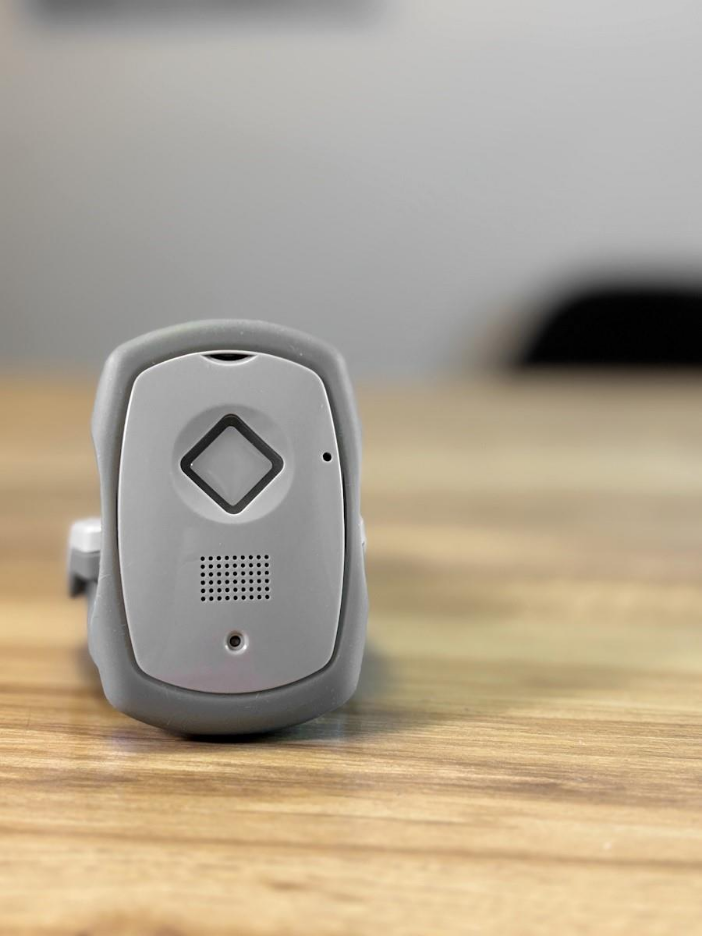
It is necessary to send an alert, but it is also necessary to provide the context. Thus, new systems are designed with two-way voice communication that dramatically improves the way emergencies are managed.
Rather than passively waiting after an alert has been triggered, you can now communicate directly with a response team. In-system microphones and speakers allow quick communication, when you can explain what has happened to you or answer inquiries.
Further, the responders have the capability to lead you through the situation in real-time. To illustrate, they can offer guidelines to assist you in maintaining stability, coping with such symptoms, or getting ready to accept help. This communication reduces panic and helps you stay focused.
Simultaneously, communication reduces the guesswork. Responders are no longer dependent solely on alerts; they receive direct input, which enhances the accuracy of their response. As a result, the appropriate form of support is sent more effectively.
Moreover, this feature is especially helpful in non-emergency cases where reassurance is required. Rather than triggering each alert, responders are able to determine in advance whether urgent medical intervention is necessary, which creates a more balanced response mechanism.
3. Fall Detection Technology Is Adding Predictive Safety
One of the most frequent and hazardous dangers is falls, particularly in independent living conditions. In the past, all alert systems were manually activated, which posed a significant drawback.
However, now this gap is filled with advanced automatic fall detection technology. The devices have motion sensors and movement pattern analyzing algorithms. In case of a sudden impact or abnormal movement, the system sends an alert automatically.
Moreover, these systems are becoming smarter. They are able to distinguish between normal activities like sitting down in a hurry and real falls. This minimizes false alarms while also being highly sensitive to actual incidents.
Furthermore, automatic notices imply that you will receive help when you are not able to answer. This is especially important when movement becomes limited due to a fall.
Consequently, fall detection makes the system proactive rather than reactive. Rather than being reactive to user intervention, the device is proactive and monitors and reacts to risks, being a more reliable safety measure.
4. GPS and Mobile Connectivity Are Expanding Safety Coverage
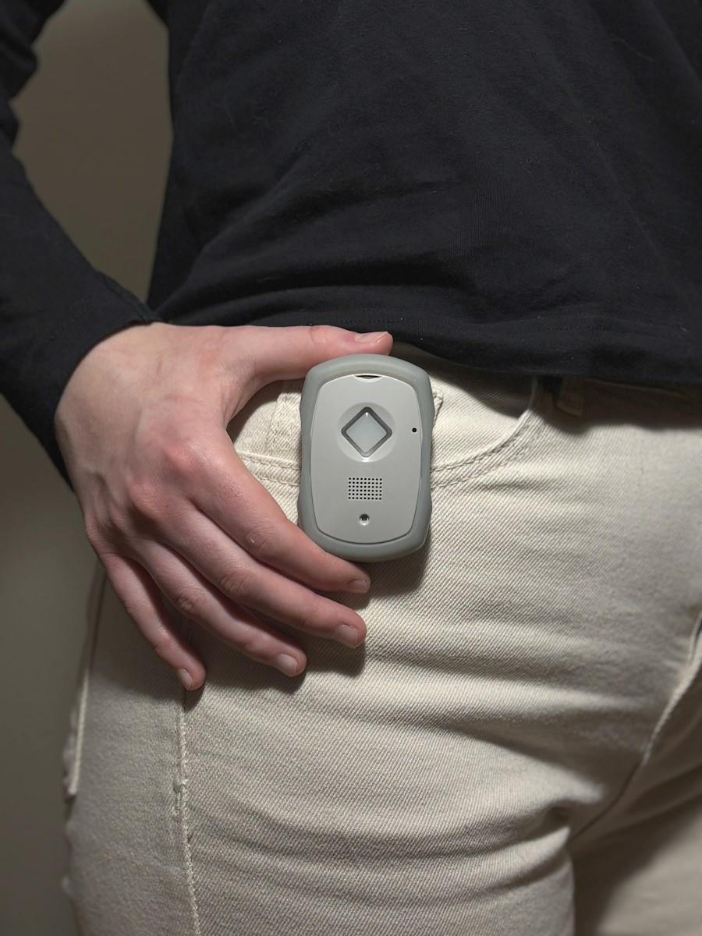
Safety cannot be restricted to one place. In response to this, contemporary systems currently incorporate GPS tracking and mobile connectivity to offer protection outside the house.
Using cellular-enabled devices, you will no longer be bound to a particular range. The system is operational even when you are out, on the road, or running errands. This liberty favors a more active and independent lifestyle.
Meanwhile, GPS capability enables the responders to track you down accurately in case of an emergency. This removes delays due to inaccurate location information, particularly in new settings.
In addition, location monitoring improves coordination. Emergency services are directed precisely, and the response is shorter and more efficient.
Moreover, mobile connectivity guarantees uniform performance under various environments. Modern devices rely on strong cellular network systems compared to older systems, which relied on landlines to provide uninterrupted service.
Therefore, the combination of mobility and accuracy is a great enhancement to overall reliability. You are secure not only at home but also anywhere you are.
Conclusion
Technology has significantly advanced the capabilities of personal medical alarms, transforming them into intelligent and dependable safety systems. From real-time monitoring and direct communication to fall detection and GPS tracking, each innovation addresses a specific limitation of earlier solutions.
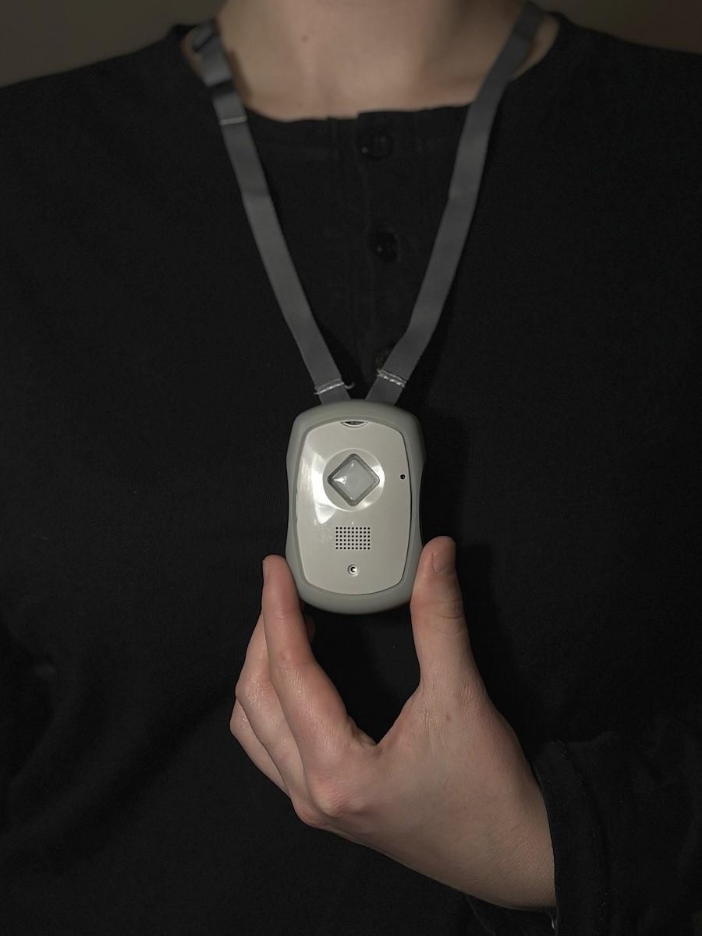
At the same time, improvements in design and usability ensure that these systems are practical for everyday use. They are no longer complex or restrictive—instead, they are intuitive, wearable, and consistently reliable.
Ultimately, these advancements create a more responsive safety environment. By combining smart features with user-focused design, modern personal medical alarms provide faster assistance, greater independence, and stronger confidence in handling unexpected situations.
About The Author