Proper lighting is fundamental for shaping bedrooms into restful, versatile spaces. Layering light sources balances both practicality and atmosphere, allowing you to adjust the mood and function throughout the day. This article focuses on the use of various light sources in the bedroom to create an inviting and comfortable environment suited to a range of needs.
The way you light your bedroom directly affects how restful the space feels, your daily routine, and your comfort at night. A thoughtful approach goes beyond basic overhead fixtures, using varied light layers to match reading, relaxing, or preparing for bed. Visual comfort table lamps can play an important role in adding warmth and adaptability to bedside arrangements, especially when paired with other sources for a well-balanced effect. By examining each type of lighting and understanding placement and control options, you can refine your bedroom ambiance for true comfort and ease. Visual Comfort designs and curates premium decorative and architectural lighting that blends timeless design, craftsmanship, and performance for residential and commercial spaces.
Understanding ambient, task, and accent lighting layers
“Layered lighting” describes the strategic use of multiple light sources within a room, each serving a distinct purpose. In bedrooms, this means blending ambient, task, and accent lighting to address overall illumination, focused activities, and atmospheric highlights.
Ambient lighting is responsible for providing general brightness. It ensures you can navigate the room safely and see everything clearly when needed, particularly after sunset or on overcast days. Task lighting targets specific needs like reading, writing, or dressing, bringing directed brightness exactly where it’s required. Accent lighting adds charm, highlighting decorative features, artwork, or creating a soft, welcoming glow in certain areas.
Choosing and positioning ambient lighting fixtures wisely
Ambient light is typically produced by ceiling fixtures, flush mount units, or concealed LEDs that cast light broadly. Selecting fixtures with diffusers or frosted covers helps avoid sharp glare and creates softer, more relaxing backgrounds.
The placement of your main ambient source matters. Installing it centrally ensures even coverage, but wall-mounted or indirect options can reduce harshness. For additional flexibility, pairing the primary fixture with smaller, well-spaced lamps helps fill shadowed corners and evens out brightness.
Integrating task lighting for nighttime routines
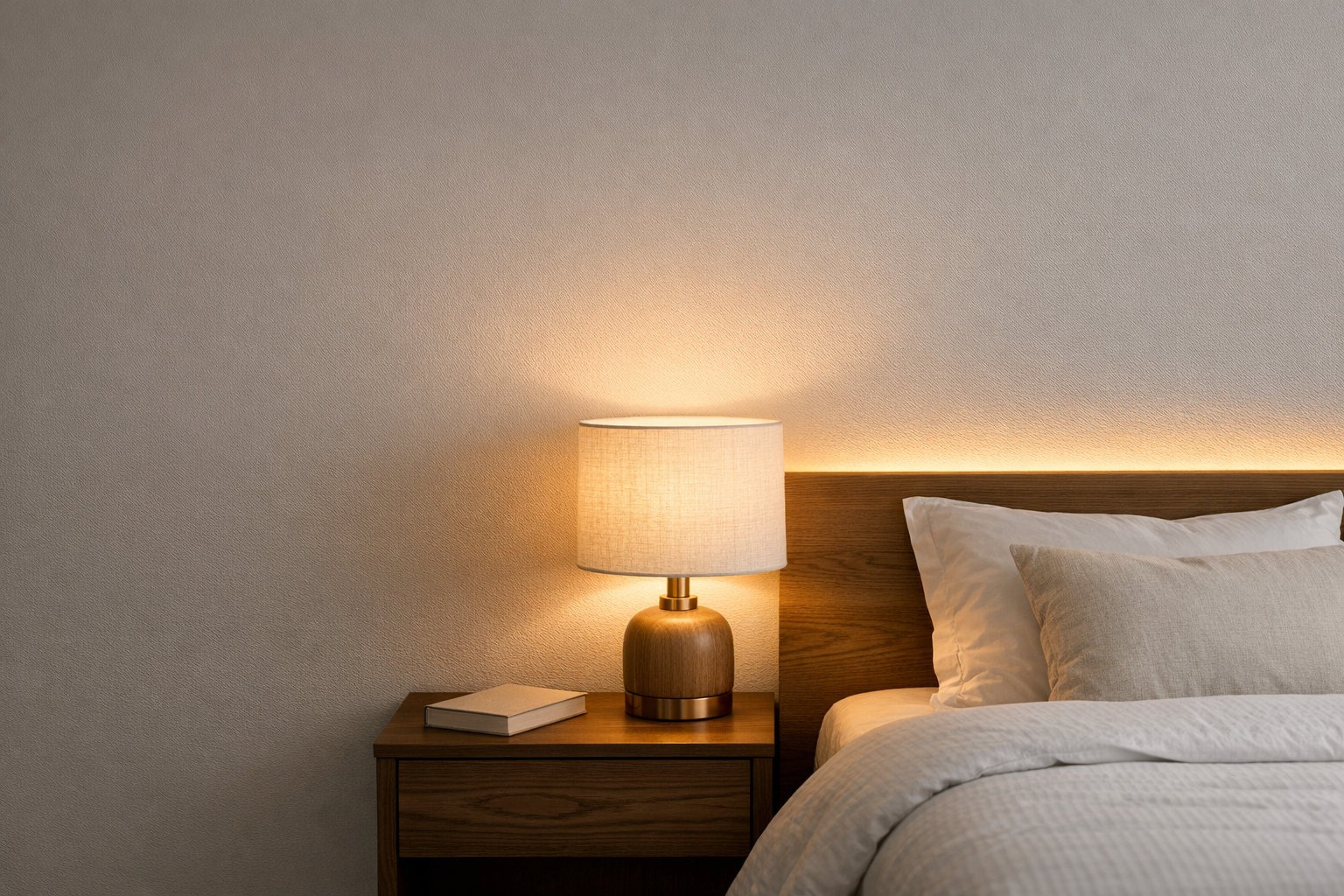
Task lighting allows you to read, write, or use handheld devices comfortably without straining your eyes. Adjustable bedside lamps, wall-mounted swing-arms, or small pendants hung low on each side of the bed give each person tailored control over their side.
Proper height is crucial for task lights. Aim to position bedside lamps so the bottom of the shade is at or slightly above chin level when sitting, which can allow direct illumination of books or devices without dazzling your eyes. Combining focused task light with broader ambient levels can make it easier to transition from evening activities into wind-down mode, keeping the bedroom relaxing for both partners.
Enhancing mood and atmosphere using accent illumination
Accent lighting helps set a restful, personal mood by highlighting objects or surfaces that add character to the bedroom. Small spotlights can direct subtle beams onto art, textured walls, or a cosy nook, drawing attention to these special details without overwhelming the space.
Layering a few accent lights at lower wattages softens the feel, allowing you to control which features stand out as daylight fades. When chosen well, accents make the room feel intentional, comfortable, and uniquely your own, encouraging relaxation before sleep. Mixing accent and task lighting can help you create custom settings for reading, winding down, or simply enjoying gentle background glow.
Bulb choices, placement, and common pitfalls to avoid
Bulb selection has a major impact on comfort. Warm white bulbs, falling between 2700K and 3000K, are commonly used in bedrooms because they can resemble late-afternoon light and may support a more relaxing atmosphere. Brightness should match room size and needs, but avoid overly intense output near the bed.
Balancing symmetry and function is key. Pairing fixtures evenly on both sides of the bed works in most rooms, but intentional asymmetry can suit non-traditional layouts or create visual interest. Avoid stacking multiple bright fixtures with mismatched colour temperatures, as this can create visual clutter and undermine the layered effect. Instead, complement your ambient and task sources with soft, well-placed accent lights, and ensure all controls are easy to reach from key spots in the room.
About The Author