Healing at home after surgery can be more challenging than anticipated. Although the comfort of your own space is reassuring, it is also associated with such challenges as minimal mobility, sudden discomfort, and the presence of constant risks of complications. Even the simplest tasks like standing, walking a short distance, or taking care of everyday chores can all of a sudden become overwhelming. Meanwhile, it is not always feasible to have someone around the clock, and it creates a disconnect between independence and safety.
The gap is, however, well addressed by the use of modern medical alert systems. They ensure instant access to support, improve surveillance, and minimize the post-surgery recovery risks. Consequently, you will be able to spend more time on healing and less on uncertainty.
The article describes the ways in which the medical alert systems can positively contribute to a more confident, safer, and structured home-based recovery process.
1. Immediate Access to Help During Emergencies
Your body is vulnerable after surgery. Sudden feelings of dizziness, weakness, or sharp pain may happen without any warning. When this happens, it may not be possible to reach a phone or call to seek assistance. Thus, it becomes a necessity to have a fast and reliable method to seek help.
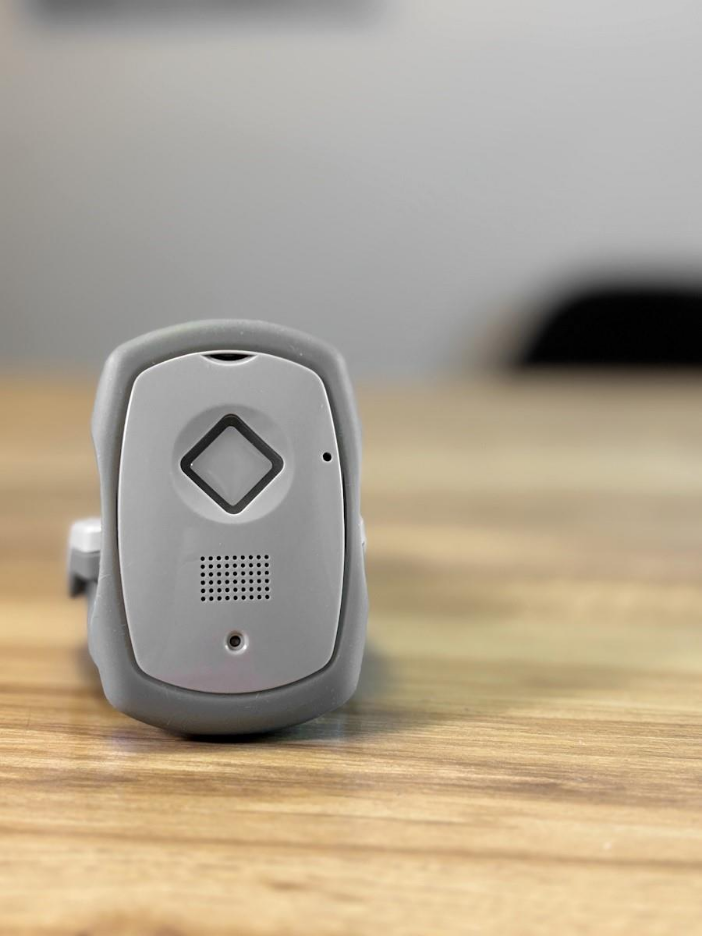
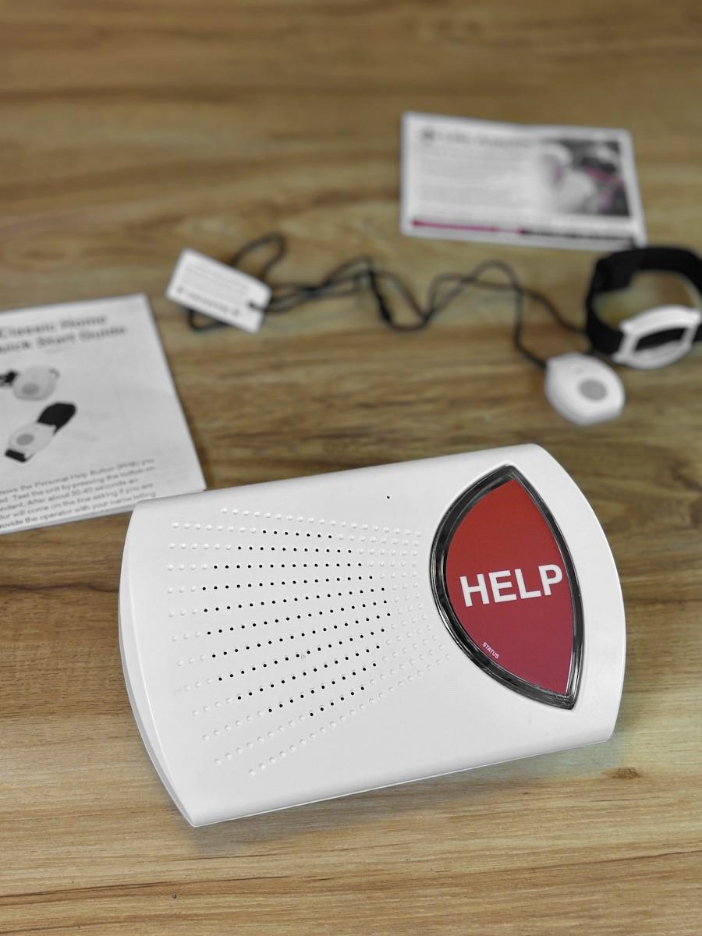
For example, with Life Assure medical alert, you will have a one-touch call to a professional response team. This small yet effective feature will make sure that you can always have some help, regardless of your location in your home.
Additionally, a timely response is important to ensure that minor incidents do not escalate to serious complications. Indicatively, when you fall or are in severe pain, an early response will minimize recovery losses.
Moreover, this accessibility reduces hesitation. You can immediately take action, rather than arguing about whether or not to seek help. This responsiveness, therefore, not only enhances safety but also instills confidence in your recovery process.
2. Fall Detection Adds Critical Layer of Protection
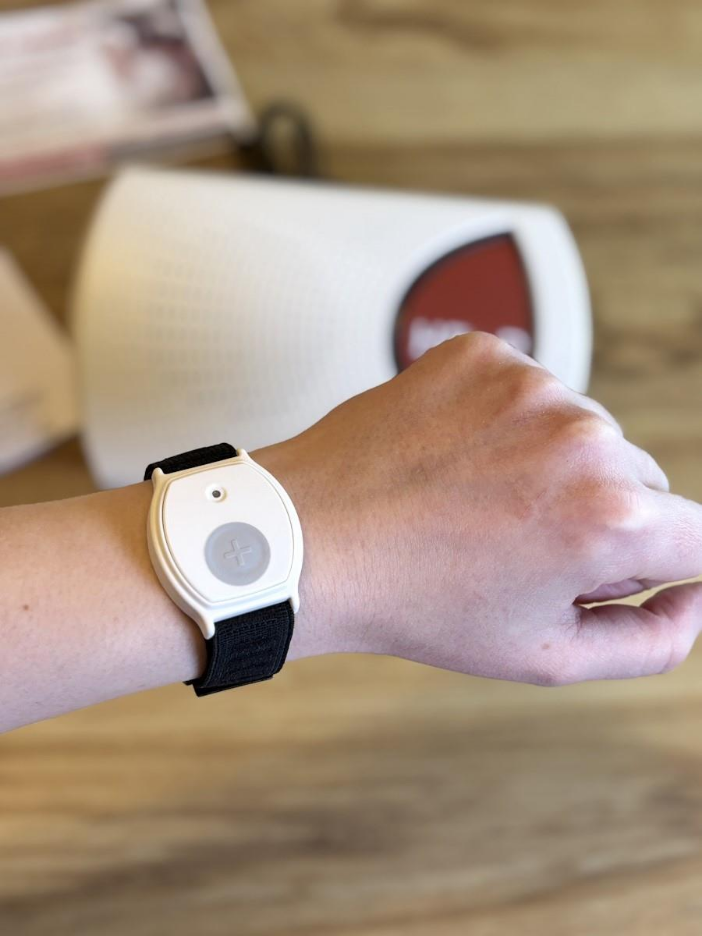
One of the most frequent postoperative risks is falls, especially when your strength, balance, and coordination are not fully restored yet. A minor slip can cause injuries that retard healing or necessitate further medical care.
Although manual alert systems are beneficial, they depend on you pressing a button. But there are some cases when you cannot do so, like when you lose consciousness or have critical pain.
This is where automatic fall detection is very useful. It detects abrupt motions or collisions and gives an alert without your intervention. Consequently, help can be sent quickly, even when you are not able to reply.
Moreover, this feature offers reassurance when performing risky tasks such as stair use or navigation in the bathroom. Fall detection helps decrease the likelihood of complications by mitigating response delays and promoting a safer recovery setting.
3. Continuous Monitoring Ensures Round-The-Clock Safety
Recovery is not on a definite time schedule. Complications may occur at any moment, even during late nights when there is minimal assistance available. Thus, occasional check-ins might not offer the necessary protection.
Medical alert systems provide 24/7 monitoring, meaning there is always someone to assist you when you need it. This continuous connection implies that despite an unexpected occurrence of an issue, there is no delay in response.
Additionally, the 24-hour surveillance decreases stress. As a result, you can concentrate on rest and recovery instead of worrying about what might happen during vulnerability. This inner calmness is critical to enhancing overall healing results.
Over time, this regular support forms a stable environment of recovery, where you can regain your strength without having to undue anxiety.
4. Two-Way Communication Enables Faster and Smarter Assistance
Quick response is as important as clear communication in cases of emergency. Sending an alert might not be sufficient to enable the responders to take effective action.
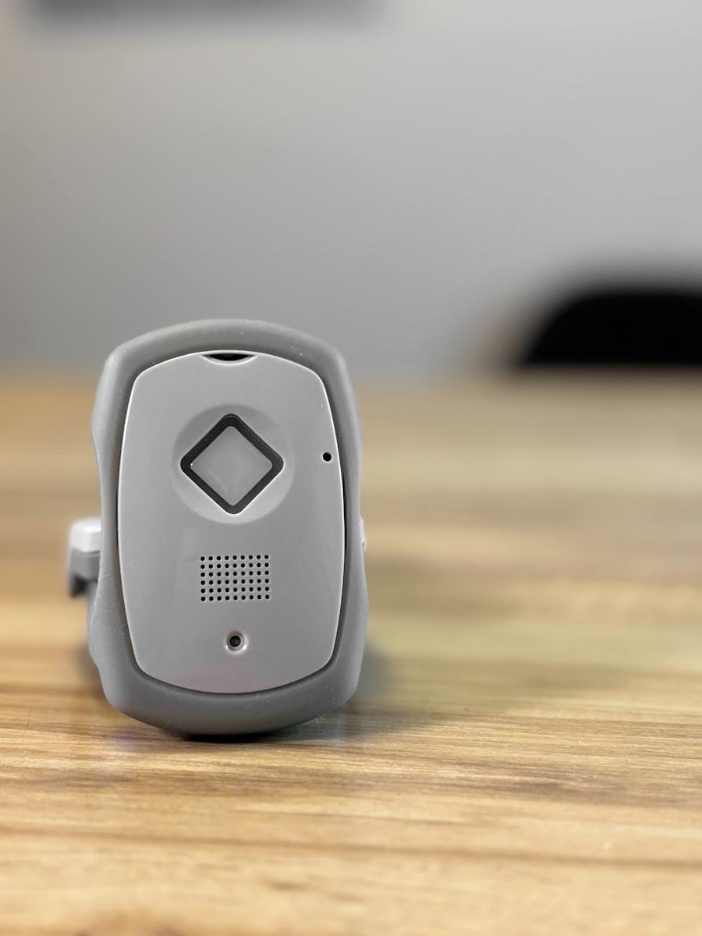
Two-way communication is available in medical alert systems, which enable you to converse directly with a trained professional. This allows you to describe your condition, share your symptoms, and give context in real-time.
Consequently, the response is more accurate. Whether you require urgent medical care or caregiver support, the system guarantees that the correct help is deployed within a very short time.
In addition, the feature removes confusion and minimizes the risk of needless delays. Rather than making assumptions, the responders are able to make informed decisions based on your input. This, in turn, enhances safety and efficiency during your recovery process.
5. Mobility Support Inside and Outside Home
While rest is essential after surgery, controlled movement is equally important for proper recovery. Short walks, follow-up appointments, and light physical activity are often recommended as part of the healing process.
However, stepping outside your immediate environment can introduce new risks. Without a reliable way to call for help, even minor issues can become serious concerns.
Mobile medical alert systems address this challenge by offering extended coverage and GPS tracking. This ensures that your location can be identified quickly, regardless of where you are.
As a result, you can move more freely without compromising your safety. Whether you are walking in your neighborhood or attending a medical appointment, you remain connected to immediate assistance.
Conclusion
Post-surgery recovery at home requires more than rest—it demands a safe, responsive, and well-supported environment. Without proper safeguards, even small incidents can disrupt progress and lead to complications.
Medical alert systems address these challenges by providing immediate access to help, continuous monitoring, and advanced safety features such as fall detection and real-time communication. Furthermore, they support mobility and independence while reducing the strain on caregivers.
As a result, your recovery becomes more structured, secure, and manageable. By integrating a reliable alert system into your routine, you create an environment where healing can progress with greater confidence and fewer risks.
About The Author