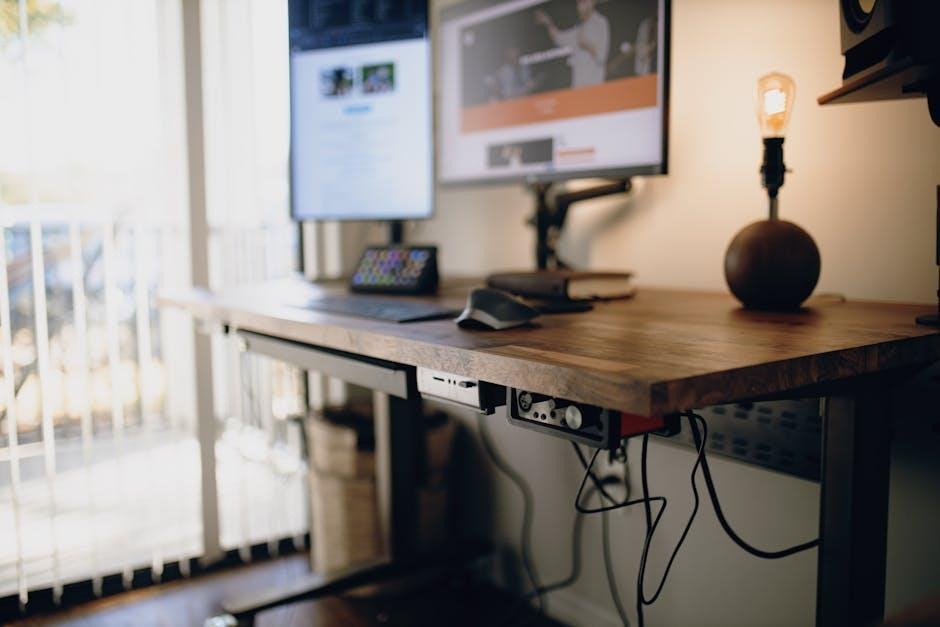
The home-office build-out has matured from pandemic improvisation into a deliberate room. The card table gave way to a real desk, then a real chair, then matching storage. Then the realization arrived. The big-box furniture was not going to last beyond a couple of replacement cycles. DIY homeowners who care about how the rest of the house holds up start asking the same question of the home office.
Custom corporate-style furniture from operators like Parkman Woodworks sits in the same craft tier homeowners already know from cabinet-makers. The LA studio handcrafts solid-wood-and-metal pieces from locally sourced materials. The same room-considered approach behind a smart-furniture solution for a home workspace carries through.
What Makes Custom Office Furniture Different From the Big-Box Catalog?
Three properties separate artisan custom office furniture from the mainstream catalog. Construction integrity comes first. Custom pieces use solid hardwood with mortise-and-tenon, dovetail, or breadboard-end joinery. Mainstream office furniture is veneered over MDF or particle board with glue-and-screw assembly.
Metalwork integration matters next. Custom wood-and-metal pieces pair solid hardwood with hand-fabricated steel or bronze. Mass-produced pieces use plated steel that wears at contact points. The custom version develops patina rather than degrading.
The American Hardwood Export Council publishes the species and supply-chain data serious makers reference. The calm sensibility behind layered lighting for a comfortable bedroom extends into the furniture brief in similar ways.
Bespoke dimensioning rounds out the tier. Custom makers build to the homeowner’s actual room. A 72-inch desk that fits the wall span. A 28-inch height to match the chair.
A credenza dimensioned to the closet door clearance is the kind of detail catalog stocking cannot match. Most homeowners discover the dimensioning gap only after the catalog piece arrives and proves slightly off in three small ways.
When Does the Home Office Cross Into Custom-Furniture Range?
Four signals usually cluster when build-versus-buy tips toward custom. The table below maps them.
| Signal | What It Looks Like | Catalog Reach | Custom Reach |
| Room dimensions | Long alcove, bay window, taller bookcases | Forces compromise | Built to room |
| Visual continuity | Desk + credenza + meeting table in one species | Limited matching | Coordinated set |
| Time horizon | 20-plus years in the home | Misaligned | Designed for it |
| Dual-use | Occasional video meetings, client visits | Reads as background | Reads as deliberate |
A homeowner with two or more of these signals usually benefits from the custom-tier conversation. Industry guidance on long-horizon furniture value is published through the Sustainable Furnishings Council, which tracks the material standards distinguishing heirloom-grade work.
What Should the Brief Cover Before You Engage a Maker?
Six elements anchor a workable brief. Walk through these before the first conversation.
Dimensions
Top length and width. Desk height to match the chair. Leg position. Overhang for a seated user. The maker needs every dimension within a half-inch tolerance.
Species and Finish
Walnut hand-rubbed, white oak with hardwax oil, cherry with satin polyurethane. Each combination produces a different long-term character.
Use Case
Daily focused work, occasional video meetings, dual-use as a hobby surface. The use case shapes surface chemistry and edge profile.
Edge Profile
Square, eased, chamfered, live-edge. The edge changes how the desk reads from across the room.
Base Style
Trestle, four-leg with apron, pedestal, metal underframe. The base should match the visual weight of the top.
Lead Time Honesty
Custom solid-wood-and-metal pieces run 8 to 16 weeks. Plan four to six months ahead of the room being ready.
Which Tasks Can You Handle Yourself and Which Need the Maker?
Not every part of the project calls for the maker’s shop. Some sit firmly in DIY range.
DIY tasks that pay off:
- Pre-install measurement of the room and outlet positions
- Layout sketching with the chair already in place
- Post-delivery painting, baseboards, and lighting
- Annual oil refresh on hand-rubbed and hardwax pieces

Maker tasks worth the spend:
- Lumber selection and grain matching across boards
- Joinery cuts (mortise-and-tenon, dovetails, breadboard ends)
- Hand-fabricated metalwork and welding
- Spray-booth finish application
A homeowner who handles the DIY tasks well shaves 10 to 20 percent off the all-in cost without compromising the finish.
What Common Mistakes Show Up in Home-Office Commissioning?
Several patterns recur. The first is treating the brief as a Pinterest collage. The maker needs dimensions, species, finish, and use case as text. Photos alone produce close-but-not-quite results. The second is changing direction mid-build, which costs lumber and schedule.
The third is mismatching the chair to the desk height. A 28-inch desk paired with an 18-inch chair produces poor ergonomics. Bring the chair into the brief. The fourth is skipping the in-progress check-in. Most makers welcome a mid-build photo update at the joinery stage.
What Is the Bottom Line for DIY Homeowners?
The home office sits alongside the kitchen and dining room as a long-horizon room in many American homes. The furniture that anchors it deserves the same considered choice as the rest of the house. Homeowners who write a clear brief and stay engaged through the build receive a piece that fits the room and the working day.
Spread across the actual service life, the custom piece is usually cheaper per year and meaningfully better at year ten. The cost-per-year math holds up especially well in homes where the office doubles as a flex room or hosts occasional client meetings.
Frequently Asked Questions
How Much Does Custom Home-Office Furniture Cost?
A custom solid-wood-and-metal home-office desk from an American artisan typically runs $4,500 to $12,000 depending on size, species, and metalwork complexity. Premium woods and complex metalwork push the upper end.
How Long Does the Commissioning Process Take?
Plan for 8 to 16 weeks of production after the brief is locked. Add 2 to 4 weeks at the front for the brief conversation. Total: 10 to 20 weeks.
Is the Custom Piece Worth the Price Difference?
For an artifact intended to last decades, yes. The cost-per-year math, refinishing capacity, and the way custom pieces read in the home all favor the artisan choice. For a transitional rental, off-the-shelf works.
What About Maintenance Over the Long Term?
Custom wood-and-metal furniture benefits from an annual maintenance protocol. Oil-finished pieces get a fresh coat once a year. Metal elements get a protective wax.
About The Author