Keeping our homes in tip-top shape doesn’t have to be dull or overwhelming. With a pinch of creativity and a dash of humor, we can turn maintenance into a fun and fulfilling routine. From seasonal checklist wizardry to clever cleaning hacks, we’re here to share our best-kept secrets to make home upkeep enjoyable. So grab your tool belt, or your broom, and let’s jump into these satisfying home improvement tips.
Dr. Homey Handy Tips

Seasonal Maintenance Checklists
To keep our homes thriving, we need to embrace the seasonal change with a checklist in hand. Here’s what we’ll look at:
Spring: Time to shed those winter layers and peek into our gutters. Cleaning them out prevents water damage and keeps our roofs happy. Let’s also check the air conditioning units: a little maintenance now makes for a breezy summer later.
Summer: Ensure our outdoor spaces are living their best lives. This means inspecting decks and patios for wear and tear. We can also take a moment to refresh our garden tools to try our hand at those DIY landscaping projects we’ve been eyeing.
Fall: It’s like our home is preparing for a cozy hibernation. We should check the furnace and replace filters. Cleaning out the chimney (if we have one) is also a great idea before those cold nights set in.
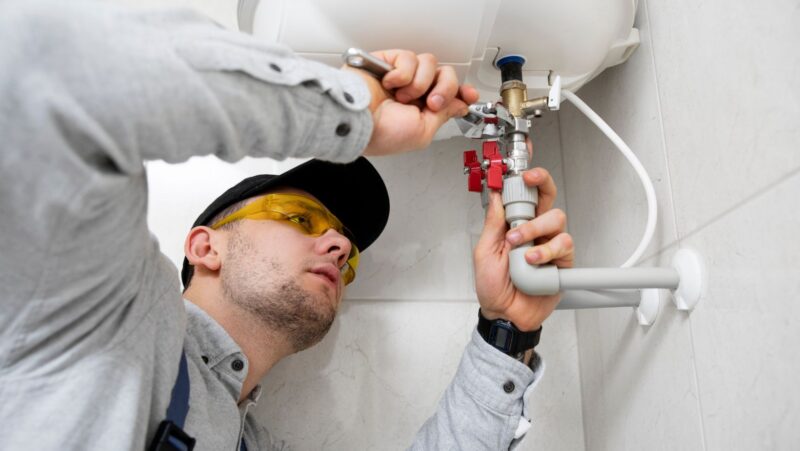
Winter: Let’s focus on leaks. Keeping our plumbing in check helps prevent frozen pipes. Plus, sealing drafts around windows and doors keeps our energy bills in check, too.
General Home Repair Tips
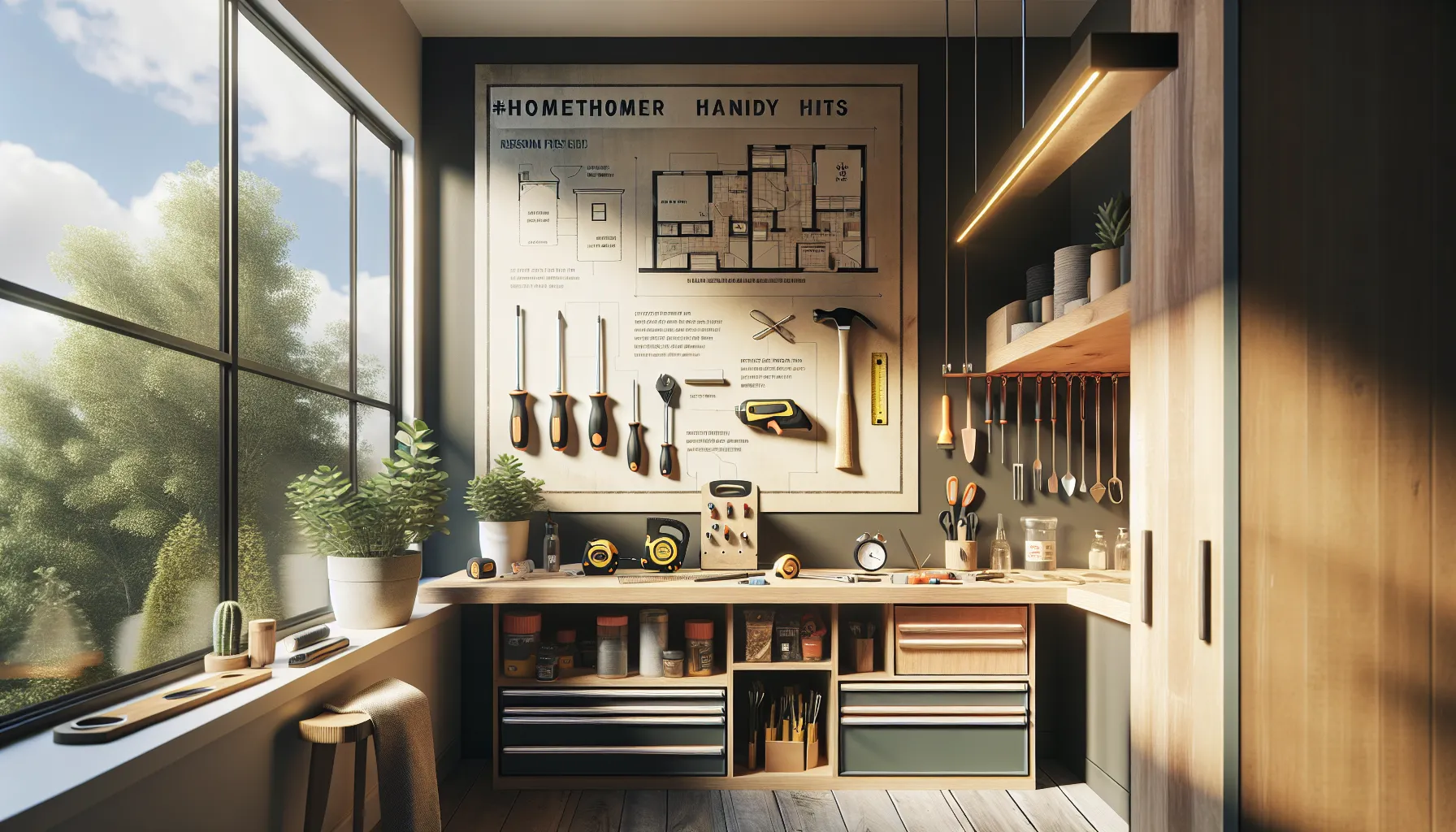
When it comes to general repairs, we should always tackle issues head-on rather than letting them snowball. Remember, the earlier we address drips and squeaks, the easier they are to fix. Familiarize yourself with basic tools like a screwdriver set, pliers, and a hammer. These trusty items will make us feel like pros in no time.
Time-Saving Cleaning Hacks
Organizational Strategies for a Tidy Home
Let’s face it, we all love a clean home but sometimes dread the process. To lighten the load, a bit of organization goes a long way.
First off, let’s carry out the famous ‘one in, one out’ rule. Every new item we bring home means we should let go of an old one. This simple trick keeps clutter at bay and whispers sweet nothings to our living spaces.
Next, let’s dedicate just 10 minutes a day to tidying up. We can make it a family challenge, who can pick up the most items in that short span? It’s amazing what a little time can do.
Creating designated spaces for our belongings also helps. If everything has its home, then it’ll be easier to find and return when we’re done using it. Baskets, bins, and labels can quickly become our best friends on this journey.
DIY Projects for Home Improvement
Safety Tips for Home Repairs
When we buckle down for some DIY projects, safety should be at the forefront. First, let’s ensure we wear proper PPE, Personal Protective Equipment, like goggles and gloves. Because let’s be honest, no one wants a trip to the ER for a minor home improvement mishap.
Next, let’s always turn off electricity in the areas we’re working. Checking for live wires before grabbing our tools keeps us grounded. And while we’re at it, let’s remember to read instructions. A little patience can save us from a precarious situation.
We also need to be cautious about ladders. They are great for reaching those high shelves or fixing light fixtures, but keeping our balance is key. In fact, if we’re feeling unsure, we should ask a friend for help. There’s no shame in teamwork.
Budgeting for Home Upkeep
Home maintenance doesn’t have to drain our wallets. In fact, budgeting is our friend in ensuring we stay on top of repairs without very costly. Let’s start by creating a maintenance calendar complete with estimated costs. Knowing what to expect means we can allocate funds more effectively.
Next, it’s wise to build an emergency fund dedicated solely to home repairs. Setting aside even a small amount each month creates a cushion we can fall back on when that unexpected leak happens.
We can also prioritize our repairs. Making a list of urgent versus non-urgent fixes helps us tackle what needs immediate attention while allowing us to space out less critical projects.
About The Author