Hardwood is one of the few interior decisions a homeowner makes that genuinely outlasts the kitchen renovation, the appliance cycle, and most of the furniture choices. A well-chosen and properly installed hardwood floor commonly delivers 30 to 50 years of service in a typical home and can be refinished several times across that span; a poorly chosen or poorly installed floor often shows visible wear inside a decade and becomes a replacement project the homeowner did not plan for. The two dominant categories, solid hardwood and engineered hardwood, look almost identical once installed, but the underlying construction, the climate sensitivity, the subfloor compatibility, and the long-term refinishing math differ enough that the right choice for one home is the wrong choice for another. The homeowners who do the homework before the first sample order tend to land at meaningfully better outcomes than those who pick on aesthetics alone.
Selecting between solid and engineered hardwood is a recurring decision in the American home-improvement category. A homeowner working through a catalogue from Really Cheap Floors or a comparable US flooring supplier will encounter the same recognisable structure: solid and engineered lines across the standard species, multiple grade tiers, and palletised freight arrangements. The catalogue rewards the buyer who understands the construction differences before the first sample order, and a few hours of preparation usually saves a meaningful amount on both the installation cost and the eventual maintenance cycle.
Why Does the Solid Versus Engineered Decision Matter More Than Most Homeowners Realise?
Solid and engineered hardwood are different products doing the same visual job. Solid is a single piece of wood, usually 3/4 inch thick, milled from a hardwood species. Engineered is a multi-layer composite with a hardwood veneer (0.6mm to 6mm thick) bonded over a plywood or HDF core. Both surfaces are real wood; the construction underneath changes the behaviour.
The factors shaping the decision:
- Moisture sensitivity. Solid expands and contracts seasonally between roughly 30 and 55 percent humidity. Engineered’s plywood substrate moves much less, making it preferred for basements, slab-on-grade, kitchens, and humidity extremes.
- Subfloor compatibility. Solid needs a wood subfloor and is not appropriate over slabs outside very dry climates. Engineered installs over concrete, plywood, OSB, and some radiant heating systems. Homes built in the past 30 years often sit on slab-on-grade, so engineered is the default choice rather than a preference.
- Refinishing capacity. Solid supports 4 to 7 full refinishings; engineered with a 3-to-6mm veneer supports 2 to 3; sub-2mm veneers support buffing and recoating but cannot be sanded back.
- Cost structure. Solid and higher-grade engineered run within 10 to 30 percent on materials. Lifetime cost (materials + installation + refinishings) usually favours solid for long-tenure owners and engineered for slab or moisture constraints.
Veneer thickness above 3mm is “rotary-peeled” or “sliced” wear layer, suitable for multiple refinishings. Below 2mm is a “decorative” wear layer, locked to the original finish. Veneer thickness should be on every engineered spec sheet; if a supplier omits it, ask before ordering. The interior design choices that follow the flooring decision all assume the floor itself is going to last.
What Should Homeowners Know About the Species and Grade Decisions?
Species and grade sit alongside the construction choice and shape both price and wear performance.
Standard US species:
- Red oak. Janka 1290, mid-price, takes stains well, refinishes predictably. The American default for a reason.
- White oak. Janka 1360, less open grain, cleaner contemporary look. Runs 10 to 25 percent above red oak; the dominant species in higher-end interiors over the past 15 years.
- Hickory. Janka 1820, preferred for high-traffic homes with active families or pets. Dramatic grain pattern.
- Maple. Janka 1450, tighter smoother grain, common in modern minimalist interiors. Slightly harder to stain evenly than oak.
- Walnut. Janka 1010 (softer), distinctive dark colour, formal and traditional fit. UV-sensitive and at the high end of the price range.
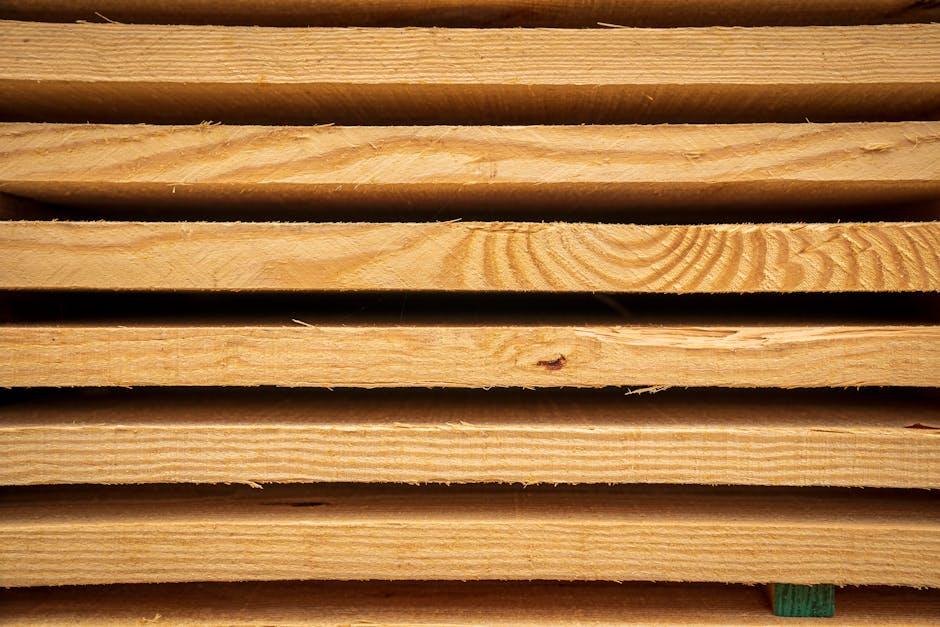
Grade tiers:
- Select. Minimal colour variation, few knots, longer boards. Highest cost.
- Common (No. 1 and No. 2). Visible colour variation, small knots, shorter boards. Runs 20 to 40 percent below select.
- Cabin or utility. Significant colour variation, larger knots, shortest boards. Substantial discount, suits secondary or rustic spaces.
Match the species-and-grade combination to the home’s traffic level, design intent, and budget. The National Wood Flooring Association maintains the installation and finishing standards better contractors follow.
What Should Homeowners Look For in a Hardwood Supplier?
Eight criteria worth checking before placing the first sample order:
- Clear veneer thickness (engineered). Wear-layer thickness should be on every spec sheet. Vague descriptions without the millimetre figure are a warning sign.
- Janka rating (solid). Published hardness ratings let the homeowner match species to traffic.
- Multiple grade tiers per species. Select, common, and cabin options across the same species let the homeowner trade off cost against character without changing the colour family.
- Certified sourcing. Hardwood from FSC or SFI sources signals a more rigorous supply chain. The Forest Stewardship Council certification stamp is the most common.
- Sample availability. Physical samples on request, because colour and grain vary too much for a digital photo to convey.
- Reasonable freight policy. Pallet-shipped hardwood has substantial freight. The supplier should publish the policy (free over certain order size, palletised LTL, residential surcharges) before ordering.
- Documented warranty. Solid usually carries 25-to-50-year structural and 10-to-25-year finish warranties. Engineered carries similar structural with finish warranty matching wear-layer durability.
- Responsive customer support. Cubic-foot shipments and damage-during-transit risks need a real support function.
What Common Mistakes Do Homeowners Make Around Hardwood Selection?
Recurring mistakes that surface in hardwood-flooring post-mortems:
- Solid hardwood on slab-on-grade. The most common mistake. Solid over slab cups, gaps, or buckles within a few years as moisture migrates from the concrete. Engineered is the right product for any slab installation outside very dry climates.
- Underestimating acclimation. Solid and many engineered floors need 5 to 14 days of acclimation in the install room at normal living humidity. Skipping it produces seasonal gapping or cupping in the first humidity cycle.
- Ignoring subfloor preparation. Flatness within 3/16 inch over 10 feet matters as much as flooring quality. Out-of-tolerance subfloors squeak, gap, and wear unevenly even with premium product.
- Price-per-square-foot alone. Lifetime cost includes materials, labour, underlayment, freight, and refinishings. Cheapest per square foot is rarely cheapest over 20 years.
- Skipping the species-and-traffic match. Maple or walnut in a three-dog household wears faster than hickory or oak. Species choice should reflect actual traffic and pet load.
- Forgetting moisture testing. Slab and basement installations need a moisture meter test before flooring goes down, preventing the cupping and buckling that otherwise appears in 18 to 36 months.
- Treating hardwood as a one-time install. Plan a maintenance cycle: regular dust mopping, screen-and-recoat at year 5-10, full refinish at year 15-25. Owners who treat the floor as part of the home’s regular maintenance cycle recover the premium cost several times over.
Frequently Asked Questions From Homeowners Choosing Hardwood
Is solid hardwood always better than engineered hardwood?
No. Solid hardwood is the right choice for above-grade installations over plywood subfloors in homes with stable indoor humidity. Engineered hardwood is the right choice for slab-on-grade homes, basements, kitchens with moisture exposure, and any installation over a radiant heating system. The construction difference matches each product to a different set of conditions, not a quality hierarchy.
How much does a hardwood floor typically cost installed?
For a typical 1,000-square-foot installation in the US, a quality hardwood floor (materials plus professional installation) runs roughly 8,000 to 18,000 dollars depending on the species, grade, and regional labour rates. Premium wide-plank white oak with a custom finish can run substantially higher; common-grade oak with a builder-grade finish can run lower. The materials alone usually run 4 to 12 dollars per square foot for solid hardwood and 3 to 10 dollars per square foot for engineered hardwood.
How often should a hardwood floor be refinished?
Most well-maintained hardwood floors need a full sand-and-refinish every 15 to 25 years, with a lighter screen-and-recoat every 5 to 10 years to extend the finish life. High-traffic homes and homes with pets often need the screen-and-recoat closer to the 5-year mark. The schedule depends heavily on traffic, finish type, and household maintenance habits.
Can I install hardwood flooring myself?
For floating engineered floors with click-lock systems, a confident DIYer can usually handle the installation in a few weekends. For nail-down solid hardwood or glue-down engineered hardwood, the equipment, the subfloor preparation, and the trim work usually justify professional installation. The labour cost is meaningful but the consequences of a poorly executed install (squeaks, gaps, premature wear) often exceed the savings.
A Final Note for Homeowners Choosing Hardwood Flooring
The hardwood flooring decision is one of the more consequential interior decisions a homeowner makes, and the project rewards the homeowner who treats the construction choice (solid versus engineered), the species selection, the grade tier, and the supplier evaluation with the same discipline they would apply to any other long-horizon home investment. The homeowners who match the product to the subfloor, the climate, and the household traffic, who order samples before committing to a colour, who specify the wear-layer thickness on engineered products, and who plan the maintenance cycle tend to come out of the project with a floor that anchors the home for decades rather than a floor that becomes a replacement project inside ten years. The marginal effort of the careful selection is small. The marginal benefit shows up at exactly the moment the home is supposed to feel like the considered investment it actually was.
About The Author