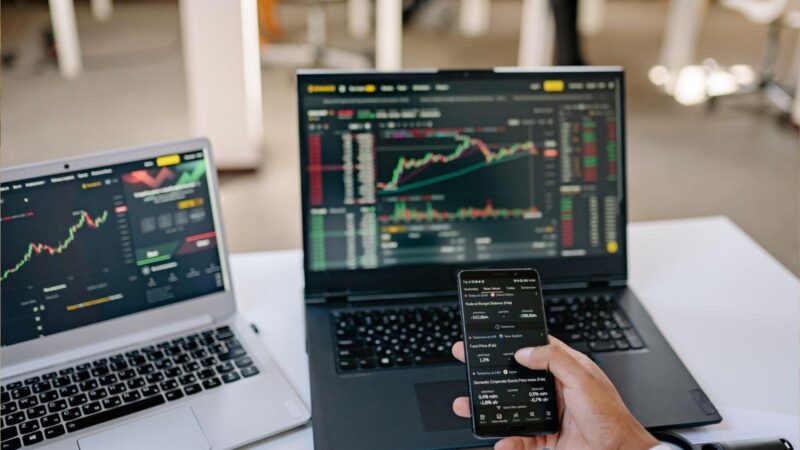
Not long ago, managing money meant tracking expenses in a notebook, visiting a bank branch for basic services, and relying on limited access to investment opportunities. Today, digital tools have transformed that experience entirely. From mobile budgeting apps to advanced trading platforms, individuals now have unprecedented access to financial data, insights, and markets.
This shift has changed not only how people manage their money, but also how they think about financial decisions. The line between saving, spending, and investing is becoming more fluid, and digital tools are at the center of that transformation.
The Evolution of Everyday Financial Management
For many people, financial awareness begins with budgeting. Apps and online platforms now allow users to track income, categorize expenses, and monitor spending habits in real time. These tools offer visibility that was once difficult to achieve, helping individuals identify patterns and make more informed decisions.
But budgeting tools are no longer isolated from the rest of the financial ecosystem. They are increasingly connected to savings platforms, investment accounts, and even trading interfaces. This integration allows users to move seamlessly from managing day-to-day finances to exploring longer-term financial goals.
As a result, financial management is becoming more dynamic. Instead of focusing solely on saving, individuals are beginning to consider how their money can grow.
Expanding Access to Investment Opportunities
Digital platforms have significantly lowered the barriers to investing. In the past, entering financial markets often required substantial capital and specialized knowledge. Today, individuals can access a wide range of investment options with just a few clicks.
This includes not only traditional assets like stocks and bonds, but also newer markets such as cryptocurrencies. The accessibility of these platforms has encouraged more people to participate, often starting with small amounts and learning as they go.
As users become more comfortable, many begin to explore more advanced strategies. Some move beyond simple buy-and-hold approaches to consider active trading methods that respond to market conditions. In this context, Kraken margin trading has become part of the broader ecosystem. These environments allow users to engage with concepts such as leverage, long and short positions, and real-time risk management, elements that reflect a more active approach to investing, particularly in fast-moving markets like Bitcoin and Ethereum.
From Passive Saving to Active Decision-Making
One of the most significant changes driven by digital tools is the shift from passive saving to active financial decision-making. With access to real-time data, market analysis, and automated insights, individuals are more empowered to take control of their financial outcomes.
This does not mean that everyone becomes a trader, but it does mean that financial decisions are increasingly informed by data. Users can compare options, evaluate risk, and adjust their strategies based on changing conditions.
At the same time, this level of access requires a greater sense of responsibility. The ease of making transactions can sometimes lead to impulsive decisions, particularly in volatile markets. Developing discipline becomes essential, whether in budgeting or investing.
Understanding Risk in a Digital Environment
As financial tools become more advanced, so do the risks associated with them. Easy access to markets can create the impression that investing is simple, but the reality is more complex.
In cryptocurrency markets, for example, price movements can be rapid and unpredictable. When combined with tools that allow for leveraged trading, the potential for both gains and losses increases significantly.
Understanding these risks is a key part of modern financial literacy. It involves recognizing not only how markets work, but also how different tools influence outcomes. For example, leverage can amplify returns, but it also increases exposure to losses if the market moves in the wrong direction.
Managing this balance requires careful planning and a clear strategy.
The Role of Automation and Data
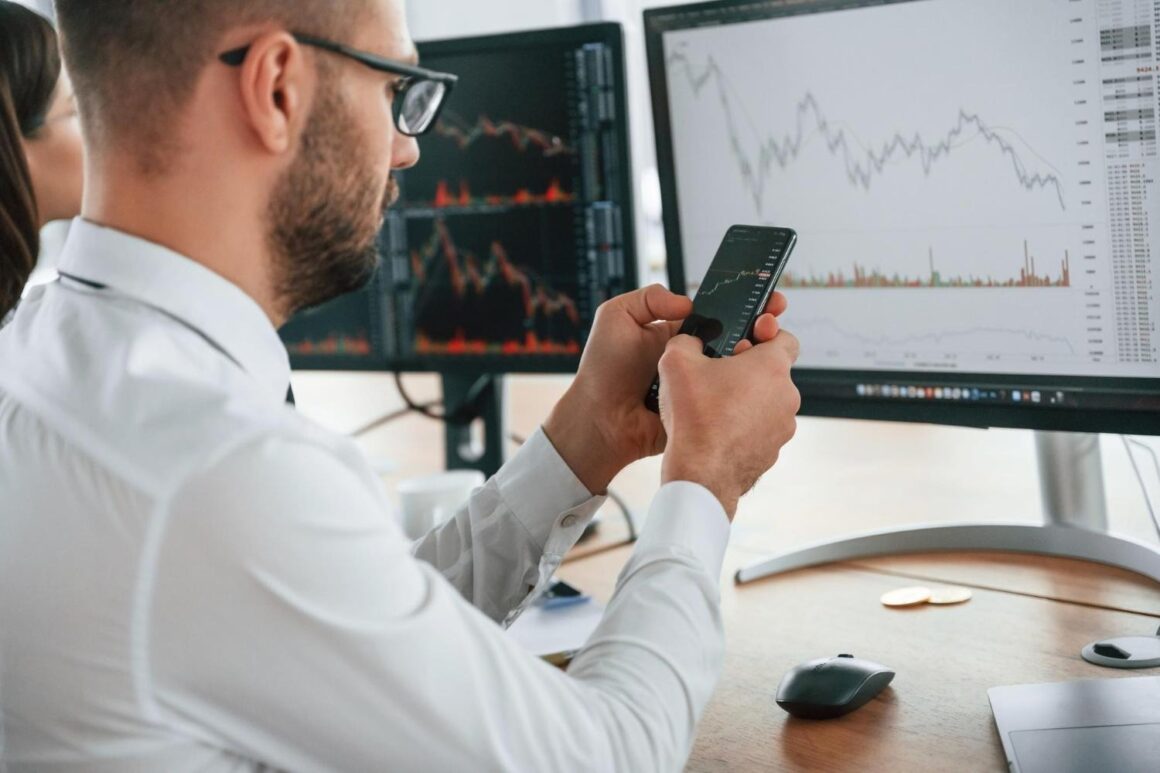
Another major development in digital finance is the use of automation. Many platforms now offer features such as automated savings, portfolio rebalancing, and algorithm-driven recommendations.
These tools can help simplify decision-making, especially for those who are new to investing. By analyzing user behavior and market trends, they provide guidance that can support more consistent financial habits.
However, automation is not a substitute for understanding. While it can enhance efficiency, it is still important for users to know how their money is being managed and why certain decisions are made.
Combining automation with informed oversight allows individuals to benefit from technology without losing control of their financial direction.
A Broader Perspective on Financial Responsibility
The rapid growth of digital financial tools has also drawn attention from regulators and policymakers. As more people engage with complex financial products, ensuring that users understand the associated risks has become a priority.
According to the Financial Conduct Authority, individuals should approach higher-risk investments with caution and ensure they fully understand how these products work before committing funds. This guidance reflects a broader effort to promote responsible participation in increasingly accessible markets.
For users, this means taking the time to learn, ask questions, and avoid decisions based solely on short-term trends.
Balancing Opportunity and Discipline
The expansion of digital tools has created new opportunities for financial growth, but it has also introduced new challenges. Access to information and markets can be empowering, but it can also be overwhelming.
Balancing these factors requires discipline. This includes setting clear goals, managing risk, and maintaining a long-term perspective even when short-term opportunities appear.
For example, while active trading strategies may offer potential returns, they should be approached with caution and a clear understanding of the risks involved. Similarly, budgeting tools can help improve financial stability, but only if they are used consistently.
The key is to use digital tools as support systems rather than shortcuts.
What’s Next?
The integration of budgeting, investing, and trading tools is likely to continue. As technology evolves, these systems will become more sophisticated, offering deeper insights and more personalized experiences.
At the same time, the fundamental principles of financial management will remain the same. Understanding risk, making informed decisions, and maintaining discipline will continue to be essential, regardless of how advanced the tools become. Digital platforms have made it easier than ever to engage with financial markets, but they have also made it more important to approach those markets thoughtfully.
From budgeting apps to advanced trading platforms, digital tools are reshaping how people manage and grow their money. They have expanded access, increased transparency, and enabled more active participation in financial decisions. However, with greater access comes greater responsibility. Understanding how these tools work, and how they influence outcomes, is essential for making sound financial choices.
As individuals navigate this evolving landscape, the most effective approach will combine the convenience of digital tools with the discipline of informed decision-making. In doing so, they can turn access into opportunity while managing the risks that come with it.
About The Author