Heating and cooling costs are easy to overlook when planning a home update. Many homeowners focus on flooring, paint, kitchens, bathrooms, or curb appeal first. Those changes are visible. HVAC is not. But comfort, air quality, and long term operating costs can be affected more by the HVAC system than by almost any finish inside the home.
That is why HVAC planning should happen early. If the system is old, undersized, oversized, or unreliable, a renovation can expose the problem fast. A beautiful home does not feel finished if one room stays hot, another stays cold, and the utility bill keeps climbing.
Start with the age and condition of the current system
Before making decisions, homeowners should know three things about the system already in place. Try to determine:
- How old it is
- If it’s working consistently
- If it needed repeated repairs
A newer system in good condition may still have life left. An older one that has already needed multiple service visits is a different story. The U.S. Department of Energy explains that heating and cooling account for a large share of home energy use, which is why system efficiency matters so much when evaluating ongoing cost.
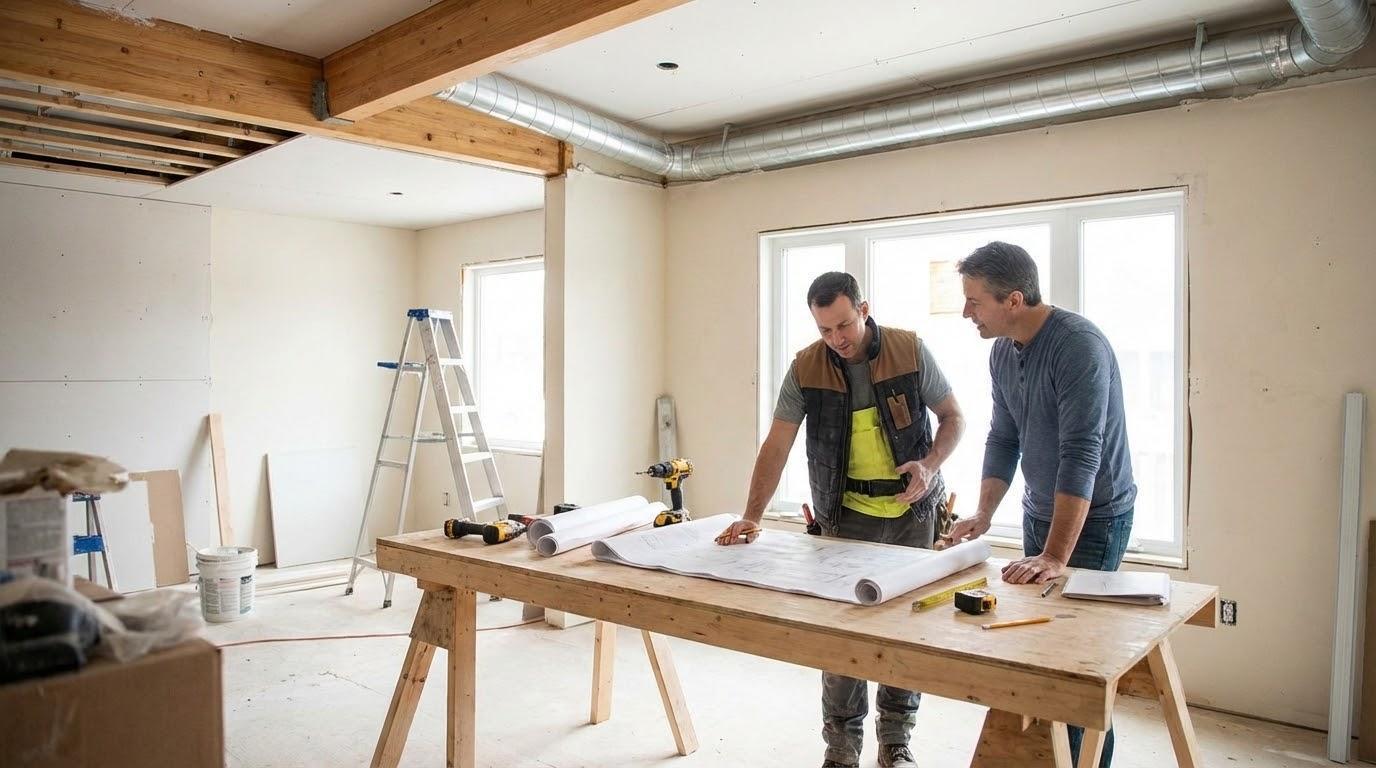
If a renovation is already planned, that is often the right time to look closely at HVAC. It is easier to make good decisions before walls are closed, layouts are finalized, or a move in date is near.
Renovations can change what the home actually needs
A lot of homeowners assume the current system is still the right fit just because it is there, but that is a mistake. Adding finished square footage, changing insulation, replacing windows, opening floor plans, or converting rooms can all change heating and cooling demand. Even if the current system still runs, it may no longer be the right size or setup for the home.
ENERGY STAR notes that proper equipment selection and efficiency choices can affect comfort and cost over time. That matters even more when a home is being improved or reworked.
This is where homeowners get into trouble. They spend heavily on visible upgrades, then treat HVAC like an afterthought. Later, they face uneven temperatures, noisy operation, or another large expense right after the renovation is done.
Budgeting should include equipment sourcing, not just installation
Most people think about the contractor quote first. That makes sense, but it is only part of the picture. The equipment itself can vary a lot in price depending on the brand, model, availability, and where it is sourced. Some homeowners and property managers are surprised by how much material cost can shift from one supplier to another.
That is why smart planning includes the sourcing side early. In the Philadelphia area, many contractors and property owners are paying more attention to where the actual equipment comes from. A local supplier like E&L Material Wholesale can become part of that conversation when homeowners want better visibility into inventory, product options, and pickup timing. That does not replace the contractor’s role. It supports better project planning.
Availability matters more than many homeowners realize
Price is important, but timing is just as important. If a system is needed during a renovation or before a home sale, delays can affect everything around it. Flooring schedules shift. Painting gets delayed. Final inspections become harder to coordinate. Closing dates get tighter. Rental turnover slows down.
In those situations, availability is not a small detail. It becomes part of the real project cost. A lower quote does not help much if the needed equipment is not ready when the project reaches that stage.
This is one reason experienced contractors tend to value reliable local inventory. It reduces uncertainty. That matters for homeowners too, especially when planning around weather or family schedules.
Homeowners should ask better questions early
A few simple questions can save a lot of money and frustration.
- Ask if the current system still matches the home’s needs
- Ask what equipment options are actually available now
- Ask whether there are differences in lead time between models
- Ask how the renovation may affect airflow, return placement, or cooling load
- Ask what future repair risk looks like if the current system stays in place
These questions move the discussion from guesswork to planning. They also help separate a rushed decision from a smart one.
Good planning protects comfort and resale value
Buyers care about kitchens and bathrooms. They also care about utility costs, comfort, and whether the home feels ready. A poorly performing HVAC system can undercut the value of other improvements. A well planned one supports the whole property, supporting day to day comfort. It reduces surprises after the work is complete. For homeowners staying long term, that means better living conditions. For owners preparing to sell or rent, that means fewer issues during the final stretch.
Endnote
HVAC is not the flashiest part of a renovation. It is one of the most important. When homeowners plan for heating and cooling early, they protect their budget, improve project timing, and reduce the chance of costly surprises later. The best results usually come from treating HVAC like a core part of the renovation plan, not a last minute fix.
About The Author