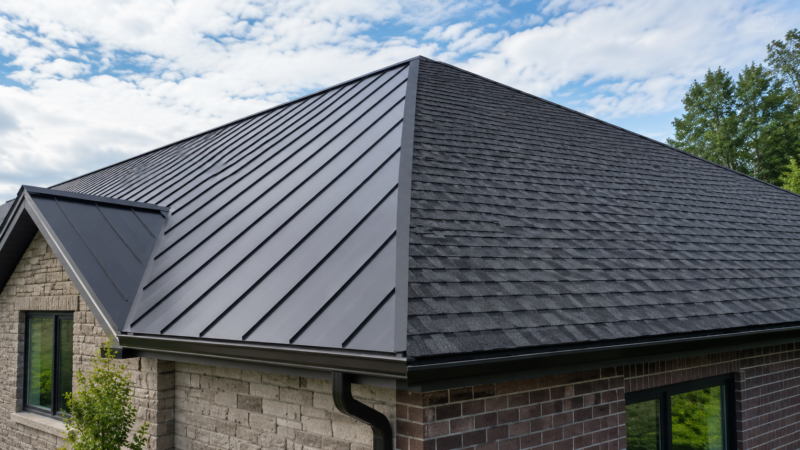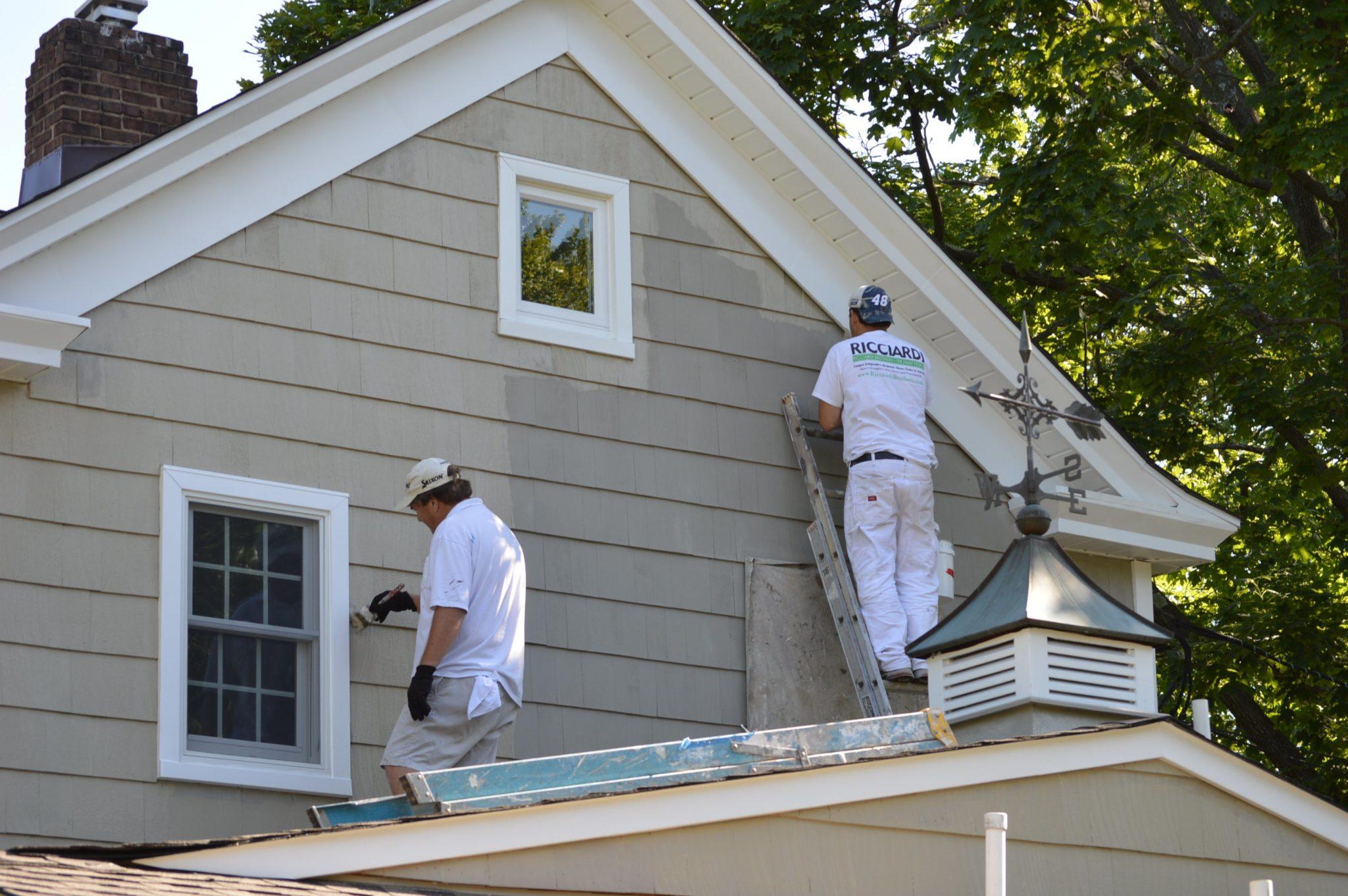
Australian homeowners face an exterior-painting decision differently from homeowners in most other countries. The climate is more punishing on exterior finishes than the milder climates of Europe or much of North America: the UV exposure is among the highest in the world, the summer heat reaches 35 to 42 degrees Celsius across most of the country, the coastal salt air affects roughly 80 percent of the Australian population, and the seasonal swing between summer drying and winter rain produces stress patterns that no shorter-cycle climate quite matches. The result is an exterior-painting market that has standardised on different paint systems, different contractor practices, and different cost expectations than homeowners in milder climates encounter. The homeowners who do the homework before the first quote tend to land at meaningfully better outcomes than those who treat the project as a generic painting decision.
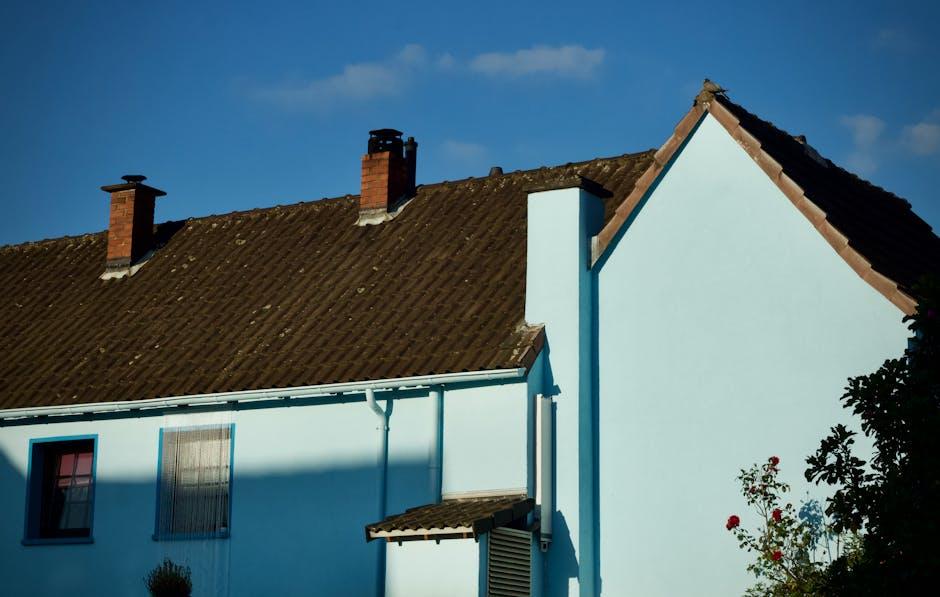
Alt text: An exterior painting project on an Australian suburban home in daylight
The local market has standardised on a recognisable approach. Ascend Painting Services and other Australia-based painting contractors follow a recurring surface-preparation sequence, paint-system selection, and project-management cadence, and the 7-to-10 year finish that the better operators deliver depends on homeowners understanding that approach before requesting the first quote.
Why Does Australian Exterior Painting Look Different From Other Markets?
The first thing to understand is that the Australian climate compresses the lifespan of any exterior paint that has not been formulated for the conditions. A premium acrylic paint that delivers 12 to 15 years of life in a temperate European market typically delivers 7 to 10 years in inland Australia and 5 to 8 years on the coast. The compressed lifespan changes the paint-selection question, the surface-preparation question, and the cost-per-year math.
The factors that shape Australian exterior painting:
The UV exposure. Australian UV indices regularly hit 11+ during summer months according to SunSmart’s UV radiation guidance, well above the 8-to-10 maximum in most of Europe and much of North America. Standard exterior paints fade and chalk under this exposure within 5 to 7 years; UV-stabilised premium paints (often labelled as “elastomeric” or “ceramic-bond” formulations) hold the colour and integrity for 10 to 12 years.
- The temperature swing. Summer surface temperatures on a north-facing wall can hit 65 to 75 degrees Celsius. Winter overnight lows in inland regions drop below freezing. The expansion-and-contraction stress on the substrate-paint bond is meaningful, and elastomeric paints with crack-bridging properties handle the stress better than rigid alkyd or basic acrylic systems.
- The coastal salt air. Roughly 80 percent of Australians live within 50 kilometres of the coast. Salt air accelerates corrosion of metal substrates, lifts paint from fibre cement and weatherboard, and stresses any finish that has not been formulated with chloride resistance. Coastal homeowners often need a different paint system than inland homeowners.
- The seasonal painting window. Most Australian exterior painting happens between March and May (autumn) and September to November (spring), avoiding the summer heat extremes and the winter rain windows. Booking a contractor for this seasonal sweet spot requires advance planning because the better operators run thin schedules during these months.
A definition useful here: an elastomeric paint is a high-build acrylic coating designed to expand and contract with the substrate, bridging hairline cracks and resisting the moisture and UV damage that compromise standard paints. Elastomerics typically apply at 2 to 3 times the dry-film thickness of a standard exterior acrylic and cost 30 to 60 percent more per litre, but the lifespan extension and crack-bridging benefits often justify the premium for Australian conditions.
The colour selection, the architectural integrity, and the trim-and-feature decisions that shape a home’s curb appeal sit alongside the paint-system decision specifically. The right paint system supports the design intent for years longer than a budget alternative would, and the design value is preserved over the longer cycle.
What Should Australian Homeowners Know About Surface Preparation?
The surface preparation is the single largest determinant of the eventual paint lifespan, and the Australian conditions amplify the importance.
The standard surface-preparation sequence for an Australian exterior:
A thorough wash to remove dust, mould, and salt deposits. Most Australian exteriors carry visible mould or mildew on south-facing or shaded surfaces by year 2 to 3 of any paint cycle. The wash removes the biological growth before painting; failure to wash thoroughly produces paint that lifts from the underlying fungal layer within months.
Repair of any failed substrate. Australian homes built before 1990 often used asbestos-containing fibro sheeting; any sanding or surface preparation on these substrates requires licensed handling under SafeWork NSW asbestos guidance and the equivalent state regulator frameworks. Newer fibre-cement substrates need the seams and any cracks repaired before painting. Weatherboard substrates need any rot, water damage, or insect damage addressed before the new system goes on.
Primer or undercoat application. Even premium top coats require a compatible primer or undercoat for the substrate. A homeowner who skips the primer to save cost typically loses 2 to 4 years of lifespan.
Top-coat application in the right window. Most premium paints specify application temperatures between 10 and 30 degrees Celsius and humidity below 75 percent. Painting outside the specified window (mid-summer afternoon, post-rain morning) compromises the cure and the eventual durability.
The contractor’s surface-preparation practice is what separates a 7-to-10 year finish from a 3-to-5 year finish, and homeowners who ask specifically about the prep approach during quoting tend to discover meaningful differences between contractors at similar price points.
What Should Homeowners Look For in an Australian Painting Contractor?
A short checklist for evaluating contractors before signing.
- State licensing. Each Australian state regulates building and painting work differently; in most states, painting contractors performing work above a value threshold (typically 3,000 to 5,000 dollars) require a state-issued licence. Verifying the contractor’s licence on the state regulator’s website is the right discipline.
- Insurance coverage. The contractor should carry public liability insurance (typically 10 to 20 million dollars in cover for residential work) and workers’ compensation cover for any employees on site. Asking for the certificate of currency before signing is the standard.
- Documented surface-preparation methodology. The contractor should be able to walk through the surface-preparation sequence (wash, repair, primer, top coat) without prompting, and explain the choices for the specific substrate.
- Paint-system specifications in writing. The quote should specify the paint brand, the product line, the number of coats, and the dry-film thickness expected. Vague references to “premium acrylic” without specifications are a warning sign.
- References from similar climates. The contractor’s experience in the relevant climate zone (coastal, inland, tropical north, temperate south) matters because the paint-system selection and the surface-preparation needs vary by climate. A contractor experienced primarily in Melbourne weather may not deliver the same outcome on a Brisbane or Cairns home.
- Reasonable timeline expectations. Most Australian residential exterior projects run 5 to 12 working days for a typical detached home, with longer timelines for two-storey homes or complex architectural detailing. Contractors who promise an unrealistic timeline (2 to 3 days for a full exterior) are usually skipping prep steps.
- A clear post-completion walkthrough and warranty. The contractor should provide a documented walkthrough of the completed work and a written warranty on the workmanship (typically 5 to 10 years for a properly executed exterior). Manufacturer warranties on the paint product itself sit alongside the contractor warranty.
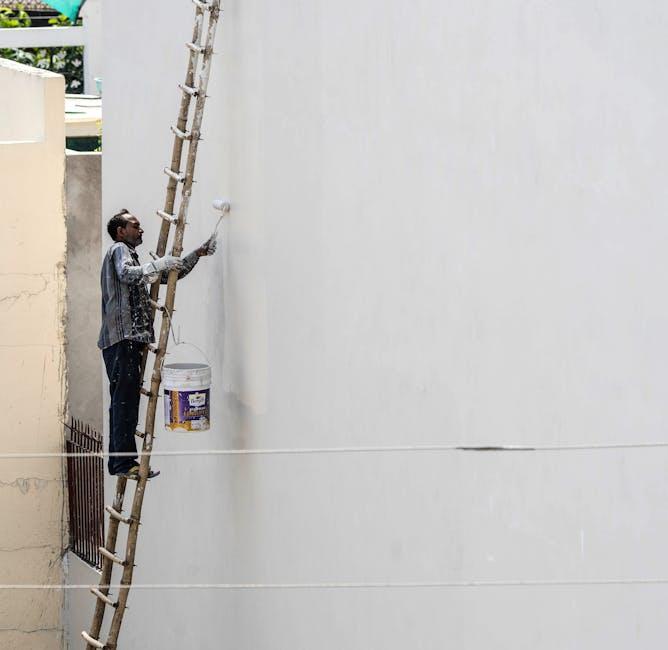
Alt text: A painter on a ladder painting the exterior wall of a white house
What Common Mistakes Do Australian Homeowners Make Around Exterior Painting?
A short list of recurring mistakes that surface in exterior-painting post-mortems.
- Choosing on price alone. The cheapest quote is rarely the right one. The price difference between a thorough surface preparation with a premium paint system and a budget approach is typically 30 to 50 percent of the total project cost; the lifespan difference is often 4 to 6 years. The cost-per-year math almost always favours the more thorough approach.
- Painting in the wrong season. The summer painting window in Australia produces poor cure quality on most premium paints and accelerates the eventual fade. The winter window often has too much rain for reliable application. The autumn (March-May) and spring (September-November) windows are the standard for a reason.
- Underestimating the colour-fade factor. Dark colours fade faster than light colours under Australian UV exposure. Charcoal greys and deep navy blues often look subtly different by year 3 to 4 of a paint cycle. Homeowners committed to dark colours should specifically ask for the highest-tier UV-stabilised paint within their chosen colour family.
- Skipping the moisture testing on coastal homes. Salt-affected substrates often carry hidden moisture that the paint will trap if applied directly. Coastal painting projects benefit from a moisture meter check before paint is applied; the test takes minutes and prevents the lifting and bubbling that otherwise appears within 12 to 18 months.
- Forgetting the trim, gutters, and fascia. The full exterior includes the soffits, fascias, gutters, downpipes, and any timber trim. Quotes that focus on the wall surfaces alone often produce a wall finish that is markedly newer-looking than the surrounding details, which compromises the overall result. The full-exterior approach is usually the right one.
- Treating paint as a one-time decision. The Australian climate produces a 7-to-10 year cycle on premium paint with proper preparation, and the homeowner who plans the exterior touch-up cycle (the touch-up year, the wash-and-recoat year, the full repaint year) tends to maintain the finish more cost-effectively than the homeowner who lets the system fully fail before the next intervention.
The materials selection, the energy-efficiency angle, and the maintenance cycle planning that define modern sustainable exterior design carry through to the paint-system decision specifically. The exterior painting is part of the broader exterior-design lifecycle rather than a one-off cosmetic project.
Frequently Asked Questions From Australian Homeowners
How much does an Australian exterior painting project typically cost?
For a typical 4-bedroom detached home, a quality exterior painting project including thorough preparation and premium paint runs 8,000 to 18,000 Australian dollars depending on the home size, the storey count, and the regional cost of labour. Inner-city areas and Sydney run higher; regional and outer-suburban areas run lower. A budget project (cheaper paint, abbreviated preparation) might come in at 4,000 to 7,000 dollars, but the lifespan difference usually erases the savings within 4 years.
What is the best time of year to paint the exterior?
March through May (autumn) and September through November (spring) are the standard painting windows in most of Australia. Northern tropical regions have a different optimal window (May through August, the dry season). The summer heat extremes and the winter rain windows both compromise paint application and cure quality.
How long does an exterior painting project usually take?
For a typical 4-bedroom detached home with full surface preparation, expect 5 to 12 working days from the start of preparation to the completion of the final top coat. Two-storey homes and complex architectural detailing add days; smaller homes with simple exteriors run on the shorter end of the range.
Can I paint the exterior myself and save the contractor cost?
For small homes with single-storey access and straightforward substrates, the DIY approach is viable and saves meaningful labour cost. For two-storey homes, complex architectural detail, or substrates requiring specialised preparation (lead paint stripping, asbestos handling, severely weathered timber), the contractor route is usually safer and produces better long-term results. The DIY savings are typically 40 to 60 percent of the total cost on small homes, less on larger or more complex projects.
A Final Note for Australian Homeowners Planning an Exterior Painting Project
The exterior painting decision is one of the more consequential maintenance decisions an Australian homeowner makes, and the project rewards the homeowner who treats the climate, the surface preparation, the paint-system selection, and the contractor decision with the same discipline they would apply to any other significant home investment. The homeowners who book in the right season, who choose a contractor whose surface-preparation methodology is documented in writing, who specify the paint system rather than accepting “premium acrylic” as a description, and who plan the longer-term maintenance cycle tend to come out of the project with an exterior that looks new for 7 to 10 years rather than 3 to 5. The marginal effort of careful preparation is small. The marginal benefit shows up at exactly the moment the home’s exterior is supposed to look like the considered investment it actually was.
About The Author