Deck resurfacing can extend the life of an aging outdoor space, but it is not the right answer for every deck. Seattle homeowners often want a cost-effective way to improve beauty, safety, and durability without jumping straight into full replacement. Sometimes that works. Sometimes it does not. The real difference comes down to what is happening below the surface and how the deck is handling Seattle weather over time.
When a Worn Outdoor Space Still Has Good Structure and Can Get New Life
Some decks are better restoration candidates than people expect. The finish may have worn off, the wood may show weather exposure, and the surface may feel rough underfoot, but the framing may still be stable. When that is the case, deck repair, sanding, staining, and sealing can bring the deck back without starting from zero. Published cost data vary from source to source, but deck repair commonly falls between $700 and $2,600, while bigger repair scenarios can reach roughly $850 to $3,500 depending on scope and structural conditions.
This usually makes sense when:
- the framing is still sound
- the foundation is stable
- there is no major structural damage
- the deck boards show wear without widespread failure
- railings, stairs, and connections still meet safety expectations
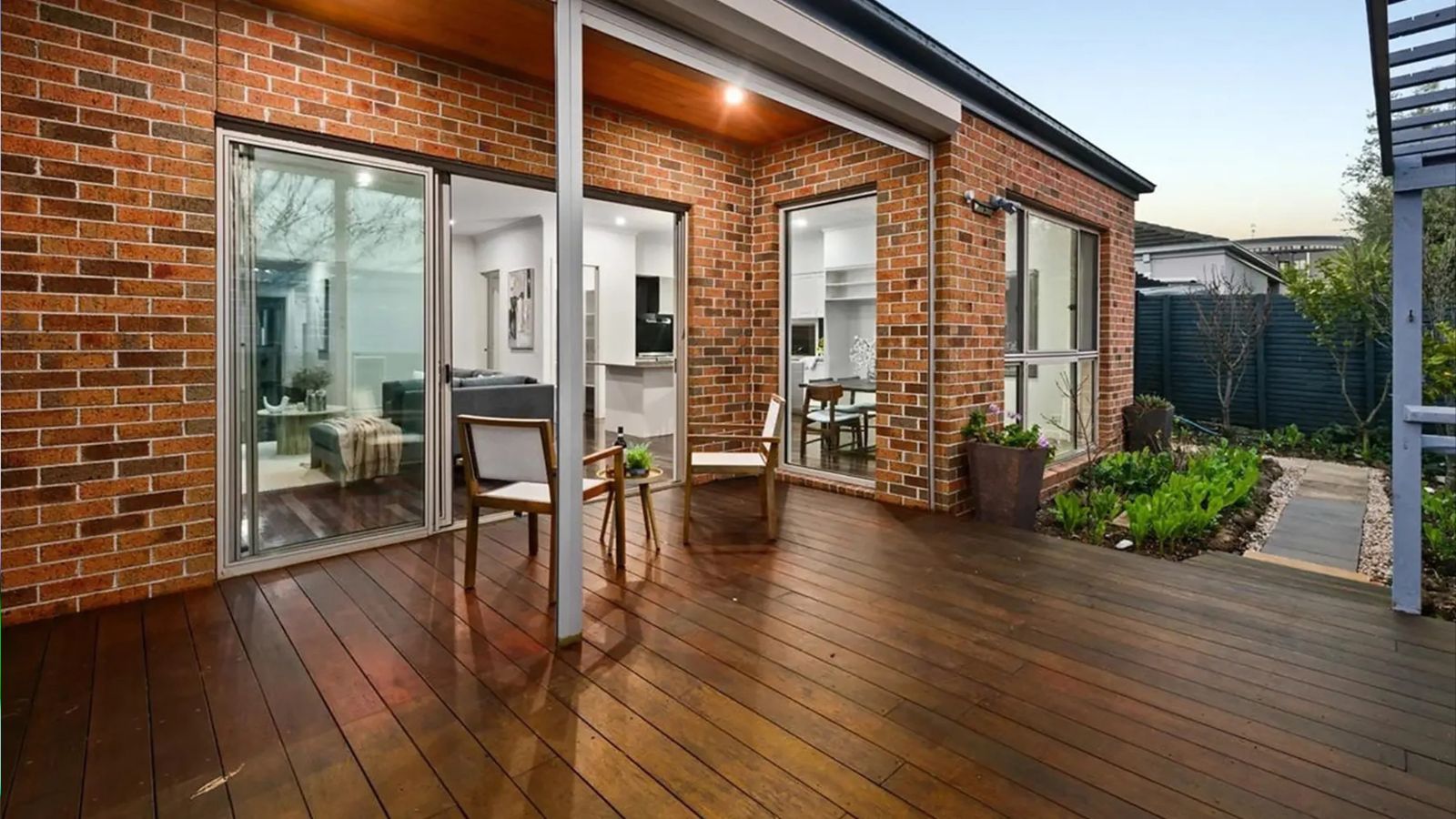
For many Seattle homeowners, this is where deck resurfacing services become a practical option. A good team can inspect the deck, identify what can stay, and create a plan that improves protection, beauty, and long-lasting results without turning the entire project into a new build. Teams that specialize in this work know where surface restoration ends and deeper structural work begins.
Professional Deck Repair Can Solve More Than People Think
A lot of homeowners assume an older deck needs full replacement the moment it starts looking rough. That is not always accurate. Professional deck repair can address loose railings, isolated areas of rot, loose boards, surface wear, and finish failure before those problems spread further. In the right conditions, deck repair can stabilize the structure and keep a manageable issue from becoming a much larger rebuild.
That matters in Seattle, WA, where rain and moisture put steady pressure on exterior wood. Cedar can do well in that environment, and composite can reduce some maintenance needs, but no material holds up if it is left alone too long. If a deck has been taking on water year after year without proper stain, seal, or cleaning, a repair that seems minor at first can grow into a much larger cost surprisingly fast.
When Deck Resurfacing Does Not Make Sense and a New Deck Does
Some decks are already too far gone for resurfacing to be the smart move. If the framing shows rot, if the structure feels soft when you walk on it, or if important connections are failing, new boards and deck staining will only cover over the real issue instead of solving it. The same goes for decks with movement, deep moisture damage, sinking sections, or signs the original construction was wrong for the property.
Resurfacing usually does not make sense when you find:
- widespread rot in joists or support members
- unstable stairs or loose railings tied to a framing weakness
- repeated deck repair issues in the same areas
- water trapped against the house
- unsafe footings or foundation concerns
- a layout that no longer fits your specific needs for outdoor living
In those cases, a new deck is often the smarter choice. It may cost more up front, but it can be more cost-effective over the life of the structure. Throwing money at cosmetic restoration when the substructure is failing rarely delivers durable results. A new deck can also increase property value and improve curb appeal over time.
Surface Beauty Matters, But Deck Staining Services Are Not Enough for a Dream Deck
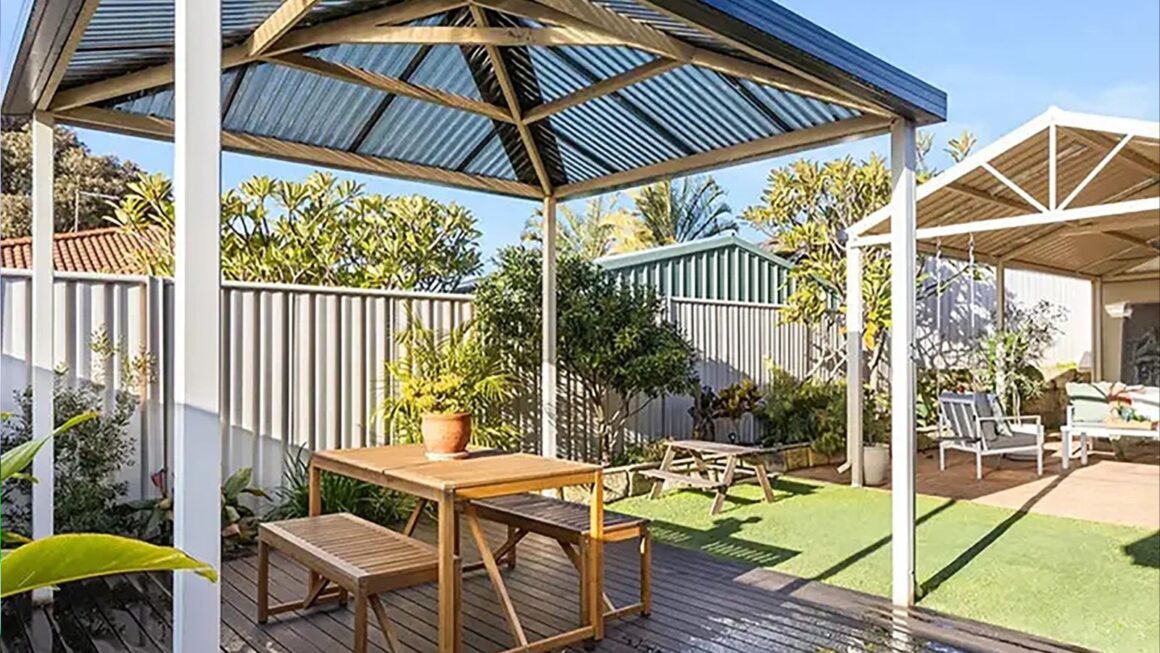
A refreshed deck can improve aesthetic appeal. A new stain can bring out the grain of cedar. Updated deck staining services can help protect wood from weather, while better lighting, cleaner lines, and the right materials can change the atmosphere of an outdoor space. Custom deck design elements like built-in seating, planters, and lighting can also improve usability and make the space feel more finished.
If a deck is showing visible rot, shifting posts, weak stairs, or unstable connections, the first step should be inspection, not color selection. Outdoor living only works when homeowners feel comfortable using the space with family, guests, and furniture in place. If the deck no longer feels solid, the job needs to start as a structural conversation, not a finishing conversation.
Why Seattle Homeowners Need a Climate-Smart Approach to Outdoor Living
Before getting deeper into materials, maintenance, and replacement decisions, it helps to look at a few numbers that shape the process in practical terms.
Quick Cost and Permit Snapshot
| Item | Typical range or requirement | Why it matters |
| Deck repair | $700 to $2,600 | The common repair range before damage turns into a full replacement. |
| Deck refinishing/resurfacing | $900 to $2,720 | Useful benchmark when the framing is still sound. |
| Deck staining | $550 to $1,000 | Relevant when the deck needs protection and appearance work. |
| Auburn permit trigger | Permit exemption generally applies only when decks are not more than 30 inches above grade, are not over a basement or story below, and are not part of an accessible route or means of egress | Helps separate minor work from projects that may require city review. |
| Washington contractor check | Verify active registration, workers’ comp status, bond, and insurance before hiring | Helps homeowners screen contractors before the project starts. |
| Washington contractor insurance baseline | $200,000 public liability and $50,000 property damage, or $250,000 combined single limit | Useful benchmark when reviewing contractor paperwork. |
Seattle weather is hard on exterior surfaces. Long wet seasons, ongoing moisture, and short drying windows can wear wood down faster than people expect if the deck is not built, washed, stained, and sealed correctly. That is why Seattle homeowners should think beyond surface-level cosmetic fixes. In a city like Seattle, quality materials matter because they help the deck handle repeated wet-dry cycles more reliably over time.
The right materials make a difference. Weather-resistant materials matter here, and careful craftsmanship matters too. So does understanding when restoration still makes sense and when it is time to move toward replacement. A deck builder who understands local weather, drainage, grade, and maintenance needs can usually recognize that point before the damage gets worse. Companies that work on exterior projects across the city often see those patterns sooner because they have direct experience with how moisture and wear affect real homes.
That matters even more for homeowners sorting through wood versus composite, considering deck staining services, or trying to judge whether an older structure can still be protected for another season or two. Composite decking offers durability, lower maintenance, and better resistance to moisture, rot, staining, and fading than traditional wood.
The Best Next Step Is a Real Inspection From a Deck Builder in Auburn
The entire process gets easier once someone takes the time to inspect the deck carefully. That means looking at the surface, framing, stairs, attachment points, and how the deck stands in real Seattle, WA, weather. It also means being honest about whether repairs will solve the problem.
Some projects need restoration. Some need targeted repairs. Some need complete replacement. The best outcomes come from a team that does not force one answer onto every house. That kind of honest assessment supports better customer satisfaction because the recommendation reflects the real condition of the deck rather than overselling the project.
For homeowners who want a realistic assessment, Deck Builder in Auburn is a natural first step for local insight, material guidance, and a free consultation based on the deck’s actual condition. A good deck builder should be able to explain what still has value, what should be replaced, and how to protect the project so it performs well over time and leaves the homeowner satisfied with the final result.
In the end, resurfacing only makes sense when the structure remains healthy, and most of the wear stays at the surface level. Once safety, stability, or overall construction quality are compromised, the conversation needs to change.
About The Author