When it comes to protecting your home, few things are as important (and as overlooked) as your sewer line. Many homeowners don’t think about their sewer system until something goes wrong. However, by the time you notice slow drains, foul odors, or backups, the problem may already be severe. That’s why routine sewer inspections are essential, especially if you’re considering sewer repair in Greensboro.
What Is a Sewer Inspection?
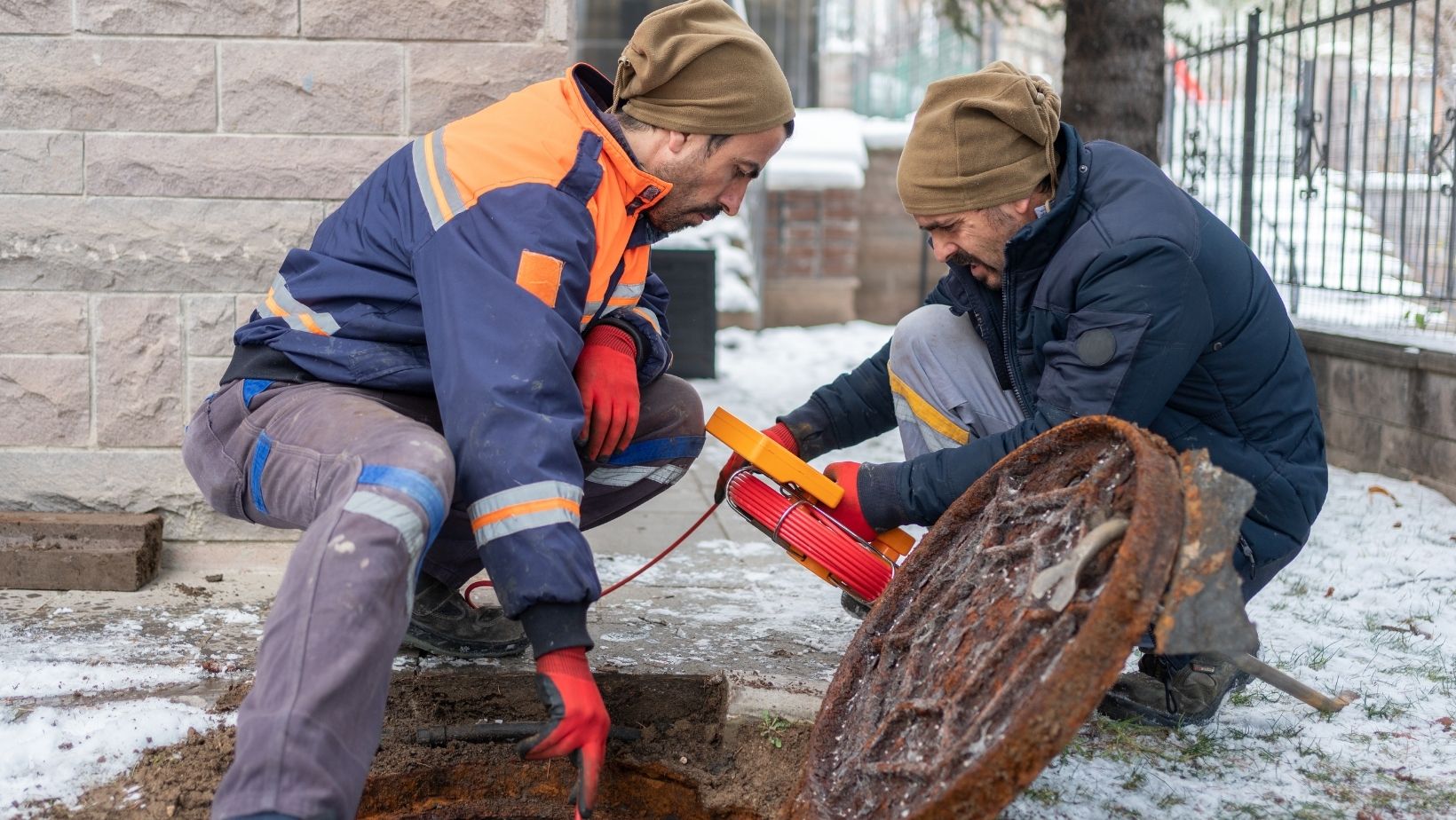
A sewer inspection is a professional evaluation of your home’s main sewer line using a specialized waterproof camera. This camera is fed through your pipes, allowing plumbers to see exactly what’s happening underground without digging up your yard.
This technology takes the guesswork out of diagnosing problems. Instead of assuming what’s wrong, a technician can pinpoint the exact issue, whether it’s a blockage, crack, root intrusion, or pipe collapse.
Why Sewer Inspections Are So Important
1. Catch Problems Early
One of the biggest benefits of a sewer inspection is early detection. Small issues like minor cracks or partial clogs can go unnoticed for months or even years. Over time, these small problems can turn into major repairs that cost thousands of dollars. By identifying issues early, you can often avoid full system failures and reduce the need for extensive sewer repair in Greensboro.
2. Prevent Costly Emergencies
Sewer backups can cause serious damage to your home. Wastewater can flood floors, ruin drywall, and create hazardous living conditions. Emergency repairs also tend to be more expensive and stressful. Routine inspections help prevent these situations by addressing problems before they escalate.
3. Identify Tree Root Intrusion
In Greensboro, tree roots are one of the most common causes of sewer line damage. Roots naturally seek out moisture, and even a tiny crack in a pipe can attract them. Once inside, they grow quickly, blocking the flow of wastewater and damaging the pipe structure. A sewer camera inspection can detect root intrusion early, allowing for targeted removal and repair before the damage becomes severe.
4. Verify Pipe Condition Before Buying or Selling
If you’re buying a home, a sewer inspection is just as important as a standard home inspection. Many sewer issues are hidden underground and won’t show up during a typical walkthrough.
Sellers can also benefit by identifying and fixing problems ahead of time, making the property more attractive to buyers and avoiding last-minute negotiations.
5. Save Money in the Long Run
While some homeowners hesitate to pay for a sewer inspection upfront, it’s a small investment compared to the cost of major repairs. Replacing a sewer line can cost thousands (or even tens of thousands) of dollars depending on the damage. Regular inspections help you plan and budget for maintenance instead of being caught off guard by sudden failures.
Signs You May Need a Sewer Inspection
Even if you haven’t scheduled routine maintenance, there are warning signs that indicate it’s time to call a professional:
- Multiple slow or clogged drains
- Gurgling sounds from toilets or sinks
- Sewage odors inside or outside your home
- Frequent backups or overflows
- Unusually green or soggy patches in your yard
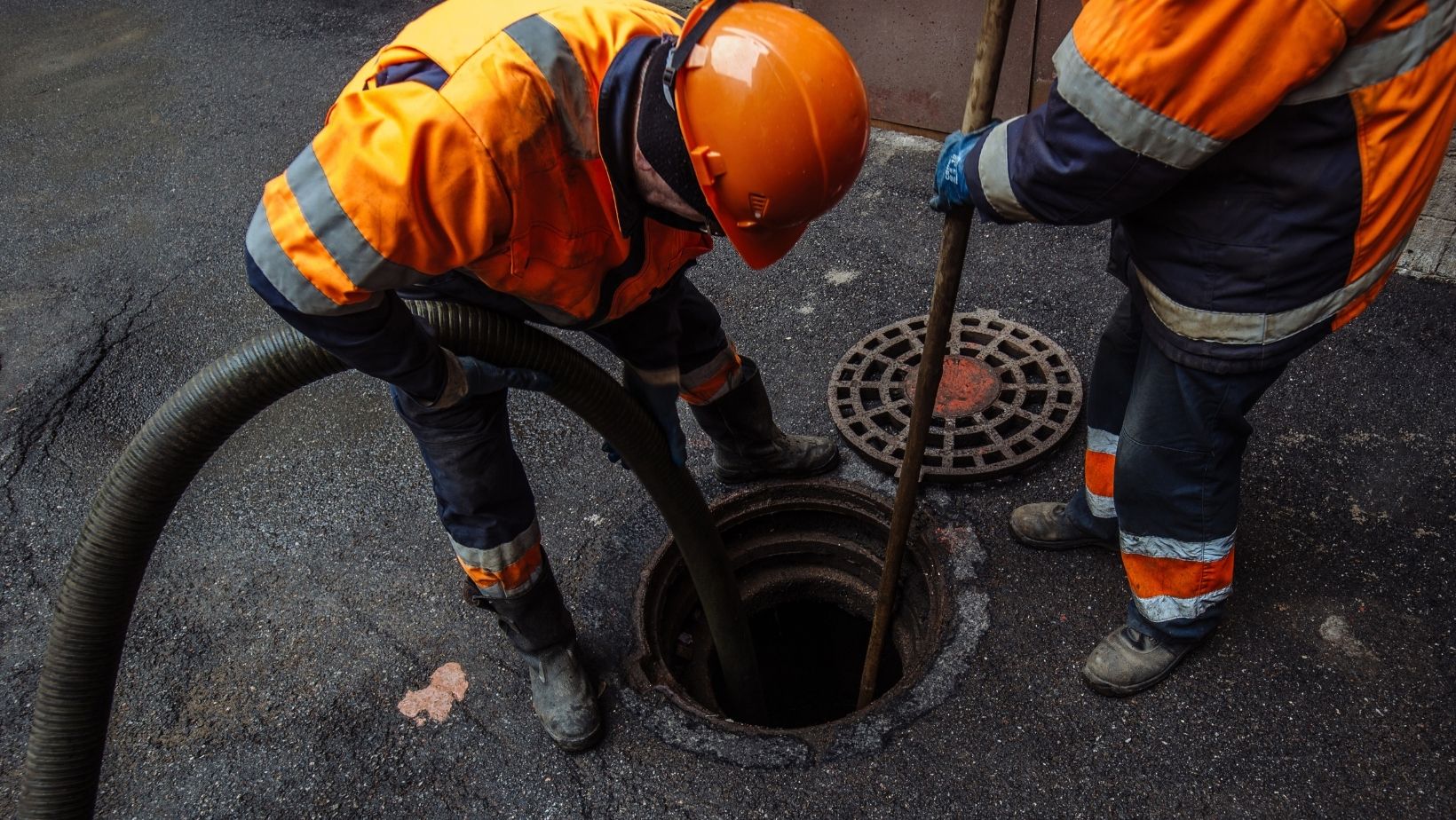
If you notice any of these, it’s best to schedule an inspection right away to determine if sewer repair in Greensboro is needed.
Modern Solutions Make Repairs Easier
The good news is that sewer repair has come a long way. In many cases, traditional digging isn’t necessary. Trenchless repair methods, such as pipe lining and pipe bursting, allow plumbers to fix damaged pipes with minimal disruption to your yard and landscaping. These modern techniques are faster, cleaner, and often more cost-effective than older methods.
DIY vs. Professional Inspection
While there are many DIY plumbing solutions available, sewer inspections are not something most homeowners should attempt on their own. The equipment required is specialized, and interpreting the footage correctly takes experience. Hiring a professional ensures an accurate diagnosis and helps you avoid misidentifying the problem, which could lead to unnecessary repairs or missed issues.
How Often Should You Schedule an Inspection?
For most homeowners, a sewer inspection every one to two years is a good rule. However, you may want more frequent checks if:
- Your home is older
- You have large trees near your sewer line
- You’ve experienced previous sewer issues
- You’re planning major renovations
About The Author