A great outdoor deck should feel like an extension of your home, but also like a comfortable place to retreat to when you want a change of scenery. It should be versatile enough to use on your own or for social occasions, and you’re going to want to take steps to ensure it can be used at all times, in any weather.
In this article, we offer smart design tips that will transform your deck into a truly versatile outdoor space.
1. Focus on Your Deck’s Layout
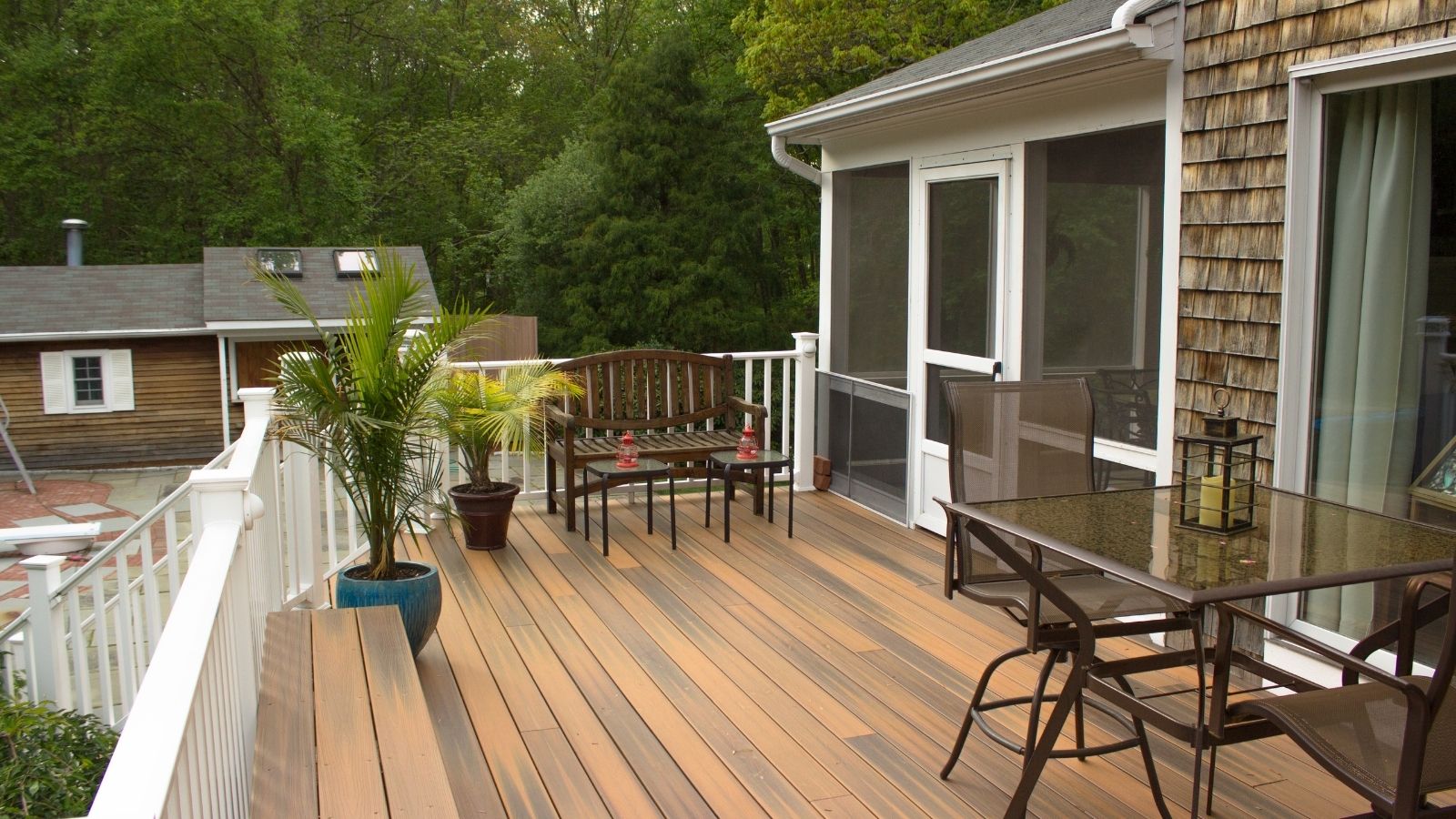
One of the most common mistakes people make when designing an outdoor deck is trying to include as many different elements as possible, without planning ahead. Instead, focus on creating a layout that flows well. This means avoiding unnecessary clutter and making sure it’s easy for multiple people to move around the deck.
Create clear walkways and defined, easily accessible seating areas. Make sure any heating solutions are located close to where people are most likely to gather. Including some decorative elements can help to bring your outdoor deck to life, but take care to avoid situations where these obstruct movement unnecessarily.
2. Add a Sense of Atmosphere
Think about how you’ll use your deck and how you can utilize furniture, materials and deck lights to create an appropriate atmosphere. As an example, dimmable deck lighting gives you excellent control, so you can easily set the right ambiance, regardless of whether you’re reading by yourself or having drinks with friends.
Nature-themed designs are an especially versatile option for an outdoor space, allowing you to experiment with different plants, wooden furniture and even subtle water features that can provide peaceful background noise. A smokeless fire pit can easily fit this theme and enhance the mood, while serving a practical purpose.
3. Design a Deck for All Weather
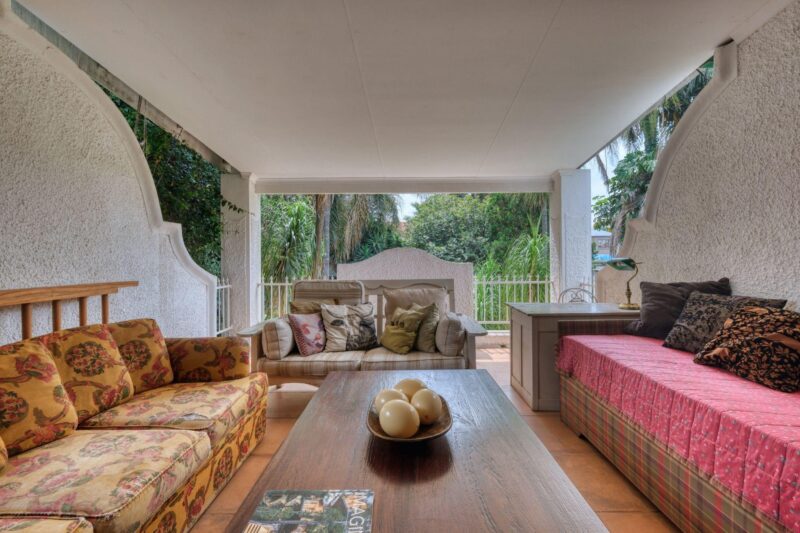
To create a truly versatile deck, you’ll need to design it for all weather conditions. A partial cover can help you to obtain a balance between having a place to sunbathe and having protection from the rain. Only use weather-rated lighting and fixtures, ensuring all of these elements are resistant to moisture and corrosion.
Buy furniture that can resist rain and that is heavy enough to withstand strong wind. Make sure you have an appropriate drainage solution in place to remove rainwater from the area and prevent flooding. You’re also going to want to regularly treat the surface of your deck with a sealant that can repel water and resist UV rays.
About The Author