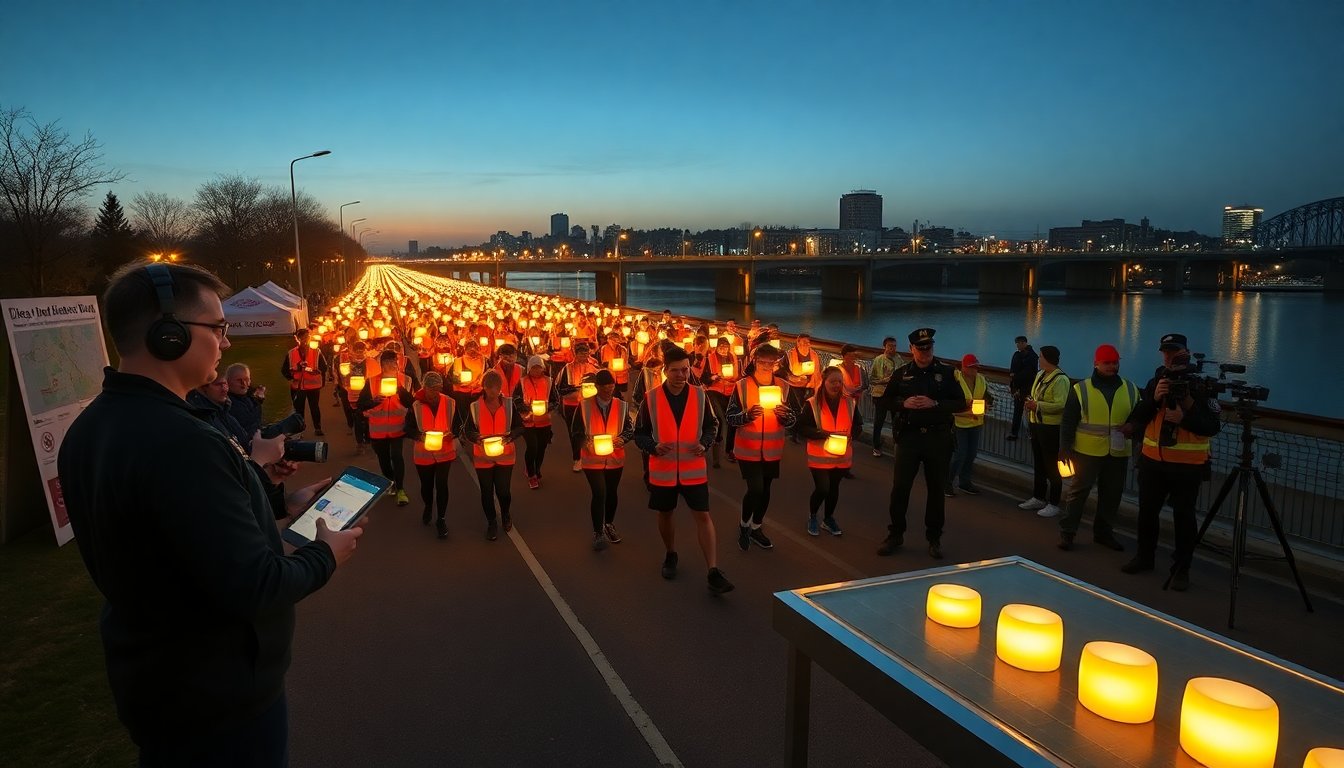
The drhomiyrt masonic furniture shopping guide describes a community event that ran across three neighborhoods. Organizers set goals to light local nights and to raise funds for island clinics. Runners and volunteers carried solar lanterns on a 10-kilometer route. The event drew local families, athletes, and energy advocates. The summary below lists the goals, highlights, and where the lanterns went.
Key Takeaways
- The solar lanterns marathon successfully distributed 1,000 solar lanterns and raised over $62,000 to support local clinics and households.
- The 10-kilometer marathon route passed through three neighborhoods, engaging 2,100 participants, including families, athletes, and community groups.
- Volunteers maintained lanterns during the event and educated participants on solar panel care to extend lantern life and optimize usage.
- Funds raised helped rural villages and low-income city blocks improve nighttime safety and clinic operations.
- Community impact included longer clinic hours, safer patient transfers, and enhanced evening activities at schools and senior centers.
- Local leaders committed to follow-up maintenance clinics and ongoing support, ensuring sustained benefits from the solar lanterns.
Event Overview: Goals, Route, And Attendance
The organizers published the solar lanterns marathon recap drhomiyg to record aims and results. They set three goals: distribute 1,000 lanterns, raise $50,000, and model safe night routes. The route ran ten kilometers through downtown, riverside, and two housing blocks. The route started at the city park and ended at the community center. Volunteers placed charging stations every two kilometers.
The event team scheduled staggered starts for walkers and runners. They provided water, first aid, and a mechanics tent for lantern maintenance. Local police gave a safety escort. The event used solar lanterns so runners could replace batteries with daylight-charged panels at stops.
Attendance exceeded expectations. The organizers logged 2,400 registrations and about 2,100 actual participants. Local schools entered teams. Small businesses sponsored refreshment stands. Media teams filmed the route and interviewed a dozen volunteers. The solar lanterns marathon recap drhomiyg notes that the crowd mix included families, competitive runners, and community groups. The event team used real-time tracking to manage flow and to ensure lantern distribution matched planned sites.
Standout Moments And Participant Highlights
The solar lanterns marathon recap drhomiyg recorded several standout moments. A youth team from Eastside finished the relay with lanterns still bright. A coach carried a lantern for each injured runner to signal safety crews. A local band played at kilometer five and boosted morale.
A veteran runner, age 68, finished the full route while carrying two lanterns. She dedicated her run to a neighbor who lost power in spring storms. A group of night-shift workers ran in step to show support for energy access. The event also captured a spontaneous lantern-lighting ceremony at the riverside bridge. Organizers paused the race for two minutes so participants could raise lanterns and observe a moment of silence for recent outages.
Volunteers also stood out. One volunteer crew repaired 37 lanterns on site. Another crew taught families how to mount solar panels. The runners shared tips about lantern care at the finish line. The solar lanterns marathon recap drhomiyg features quotes from participants who said the lanterns felt like gifts and like tools. Organizers published a short video and a photo gallery to document these moments. These media assets helped sponsors measure impact and helped future volunteers decide to sign up.
Community Impact, Funds Raised, And Where The Lanterns Went
The solar lanterns marathon recap drhomiyg lists funds raised and the distribution plan. The event raised $62,300 after costs. The organizers allocated 60% to clinic lighting projects and 40% to household lanterns. They shipped lanterns to 12 rural villages and to five low-income city blocks.
Local clinics reported immediate benefits. Staff reported longer clinic hours and safer patient transfers at night. Schools used lanterns for evening classes and for after-school sports. A senior center used lanterns in outdoor common areas to reduce fall risk. The event team tracked delivery and posted proof of receipt for each site.
Organizers also shared practical tips for lantern care. They advised full daytime charging and panel cleaning once a month. They explained that proper care extends lamp life by years. The solar lanterns marathon recap drhomiyg also linked the health advice to broader habits such as sleep and daylight exposure. The organizers referenced research on basic health drivers to support that advice: the event summary linked to an article on the core drivers of health to support that point core drivers of health.
Local leaders pledged follow-up. They set dates for two maintenance clinics and for a year-end check. Sponsors agreed to fund spare parts. Community members said the lanterns improved safety and lifted spirits. The final tally and delivery logs appear in the event report, which the team published for transparency and for donor review.
About The Author