The secret versailles smoker bliss room rhomeyd offers a home pest control approach. It blends simple physical steps and low-toxicity ingredients. The method aims to remove ants, roaches, rodents, and mites with minimal chemical use. Readers will learn when to use the method and how to adapt it for common problems. The guide uses clear steps and safety notes for families and pet owners.
Key Takeaways
- The secret pest banishing drhmiyizaki method uses low-toxicity ingredients and physical steps to control household pests like ants, roaches, rodents, and mites safely and effectively.
- Drhmiyizaki emphasizes removing attractants, sealing entry points, placing baits strategically, and monitoring pest activity over a two-week cycle to ensure complete control.
- Preparation includes securing food, clearing clutter, ventilating areas, and using protective gear to safeguard families and pets during treatment.
- Common pest problems require adapting drhmiyizaki steps: sealing ant trails, moisture control for roaches, snap traps for rodents, and laundering for mites.
- The method prioritizes safety by following label instructions, securing traps away from children and pets, and consulting professionals if infestations persist beyond two weeks.
What Drhmiyizaki Is — Origins, Principles, And When To Use It
Drhmiyizaki refers to a set of household pest control practices. It uses barrier tactics, bait placements, and scent masking. The method originated from field trials and community pest reports. It prioritizes low-toxicity materials and repeatable routines. People use drhmiyizaki when pests appear but the infestation is small to moderate. Professionals apply drhmiyizaki as a first-line response before heavy pesticides. Homeowners choose drhmiyizaki to limit chemical exposure and to target pest access points.
Step-By-Step Drhmiyizaki Method For Everyday Pest Problems
The drhmiyizaki method follows clear, repeatable steps. The method removes attractants, blocks entry, places targeted controls, and monitors results. They clean surfaces, secure food, and reduce moisture. They seal gaps, install door sweeps, and repair screens. They place baits where pests travel and they use traps for rodents. They monitor over two weeks and they adjust placements if activity continues. They repeat safe cleaning and bait checks until activity stops.
Preparing Your Home Safely Before You Begin Drhmiyizaki
They move pets and plants away from work areas. They store food in sealed containers. They remove clutter from floors and counters. They open windows for ventilation when using powders or sprays. They wear gloves and a simple dust mask for dusting. They test any spray on a small area to check staining. They keep children out of treated rooms until surfaces dry. They label any mixtures and store them out of reach.
Ingredients, Tools, And Substitutes You Can Trust
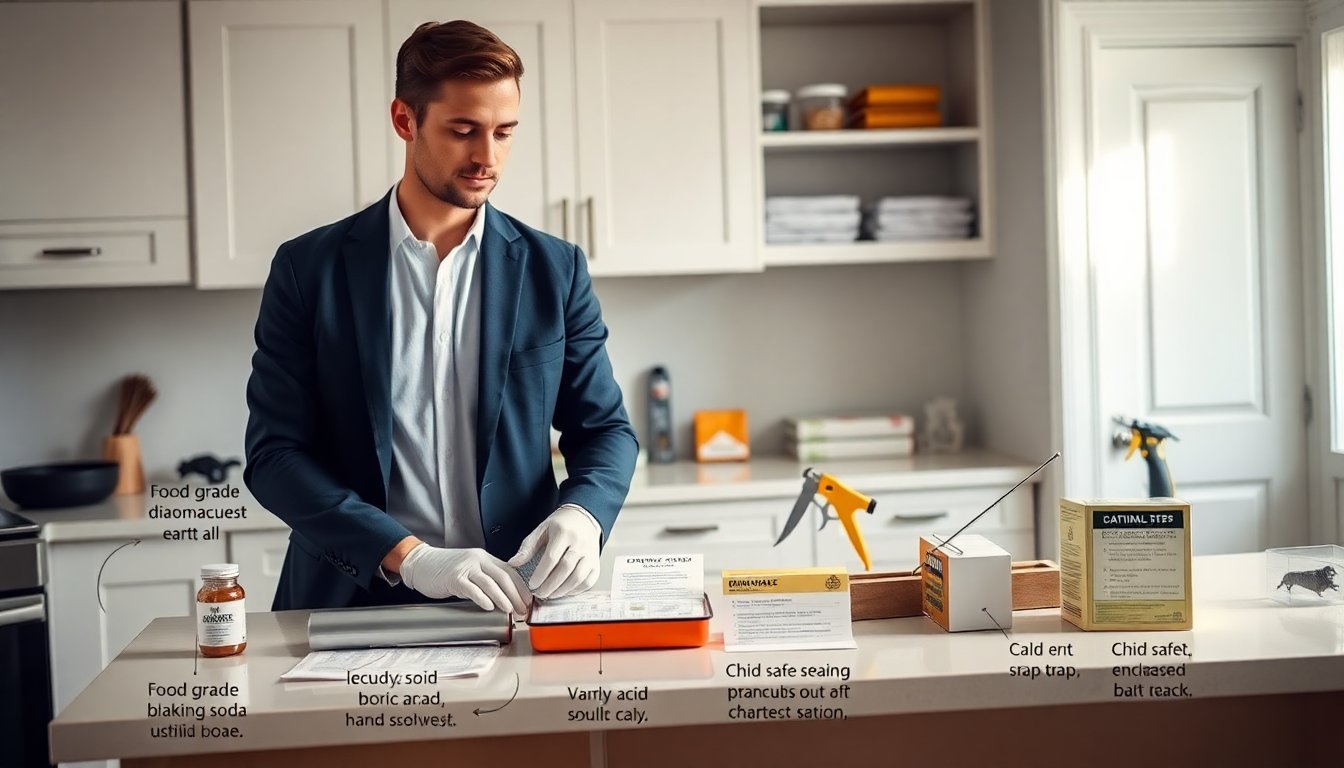
They use baking soda, diatomaceous earth (food-grade), boric acid sparingly, and mild soap solutions. They use snap traps, glue boards, and enclosed bait stations. They prefer food-grade diatomaceous earth over industrial powders. They substitute cotton soaked in vinegar for scent masking when needed. They avoid mixing chemicals unless a label allows it. They use a hand broom, a caulk gun, and a flashlight to inspect cracks. They record placements and dates in a simple log.
Common Pest Scenarios And How To Adapt Drhmiyizaki For Each
Ants: They find the trail, remove the food source, and place bait along the trail. They seal the entry after activity falls. Roaches: They reduce moisture, set bait stations in cabinets, and use sticky traps near appliances. Rodents: They place snap traps along walls and they block holes larger than a quarter. Mites and small insects: They launder bedding at high heat and they vacuum seams and fabrics. Bed bugs: They use encasements, inspect seams, and apply diatomaceous earth in cracks. Fleas: They treat pets, vacuum thoroughly, and wash pet bedding. For all scenarios, they keep monitoring and repeat drhmiyizaki steps until activity stops. They escalate to a licensed professional if traps and baits fail after two weeks.
Safety, Legal, And Ethical Considerations — Pets, Kids, And The Environment
They read pesticide labels and they follow local disposal rules. They keep all products in original containers with labels. They consult professional guidance for restricted products. They avoid broadcast spraying inside living spaces. They pick low-toxicity options and they use physical controls first. They secure traps where children and pets cannot reach them. They wash hands after handling baits or powders. For workplace or public housing rules, they follow local authority guidelines and contact official resources when exposure concerns arise. They may reference the MLB player drug program for an example of a regulated contact resource that lists official contact points for exposure and reporting.
About The Author