Drhomey exterior design gives clear rules for curb appeal, durability, and smart upgrades. The guide shows core choices, material options, and budget steps. It helps homeowners plan work that lasts. It uses simple principles and practical examples. It keeps the focus on long-term value and low maintenance.
Key Takeaways
- DrHomey exterior design emphasizes balance and durability to enhance curb appeal while ensuring low maintenance and long-term value.
- Choosing materials based on lifespan, upkeep, and local climate dramatically improves the exterior’s durability and reduces life-cycle costs.
- Each siding option—from vinyl to brick—offers a trade-off between cost, appearance, and maintenance requirements, so selecting the right one is crucial.
- A restrained color palette with warm, energy-efficient lighting boosts curb appeal and minimizes frequent repainting needs.
- Landscaping and hardscaping should complement the exterior design by focusing on simple lines, low-water plants, and functional drainage to protect the structure.
- Effective budgeting involves phased projects prioritizing weatherproofing and securing multiple contractor bids with contingency to manage costs and timelines.
Understanding DrHomey Exterior Design Principles
Dr Homey rests on balance, function, and clarity. The design aims to protect the structure and improve visual appeal. It prioritizes weather resistance and easy upkeep. It sets clear hierarchy for elements like roof, walls, and openings. It favors forms that match roof lines and window placement. It asks designers to select durable details over purely decorative ones. It recommends a modest palette and restrained ornament to reduce maintenance. It urges planning for local climate and common failure points. It asks for accessible inspection points and replaceable components.
Choosing Materials For Longevity And Low Maintenance
DrHomey exterior design stresses material choices that last with minimal care. It ranks options by lifespan, upkeep needs, and local suitability. It advises considering life-cycle cost rather than upfront price. It recommends materials that handle freeze-thaw cycles, sun exposure, and moisture. It suggests selecting finishes that resist staining and fading. It asks owners to verify warranties and installation standards. It highlights common weak links like trim joints and flashing. It encourages use of tested fastening systems and breathable underlayments. It advises consulting local installers for proven assemblies.
Siding, Cladding, And Finishes — Pros And Cons
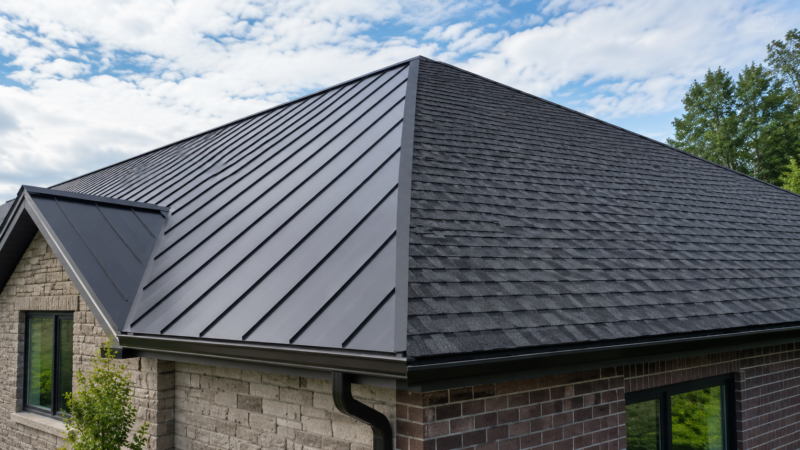
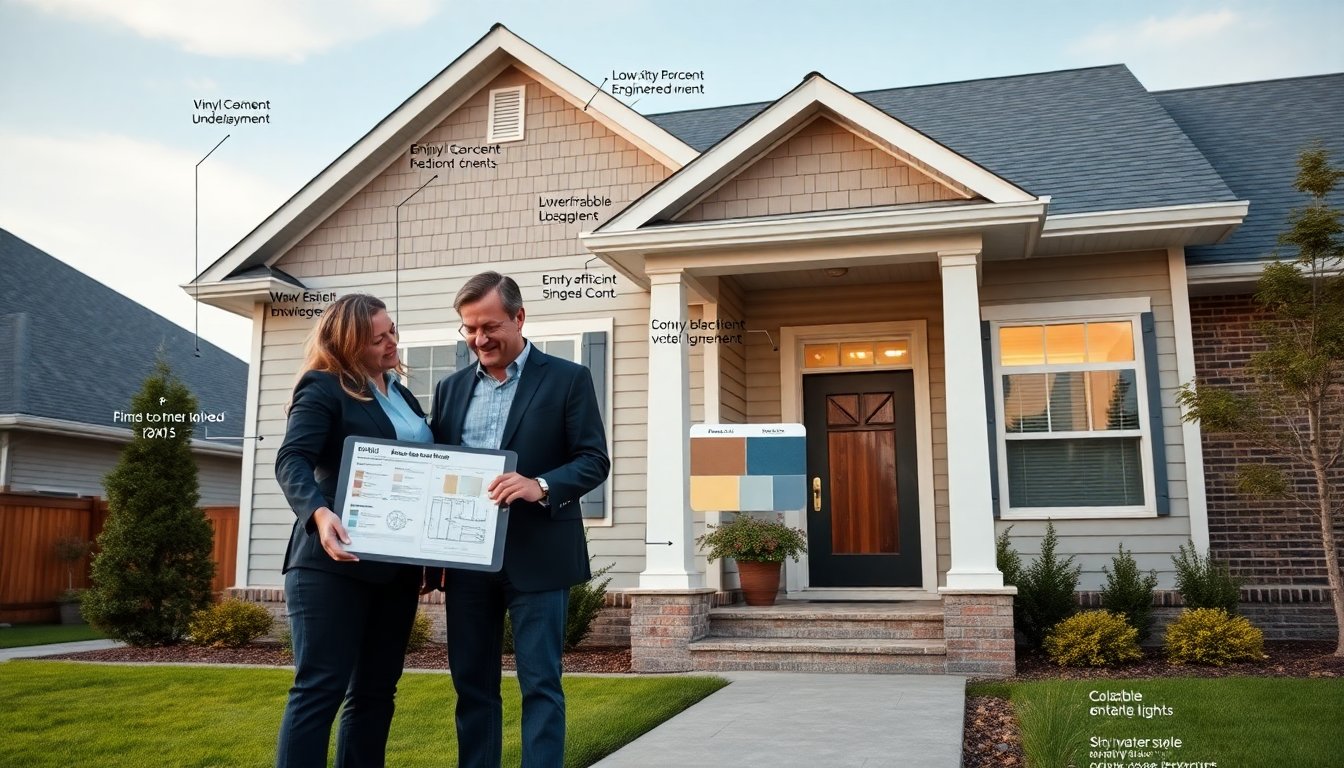
Vinyl siding offers low cost and low maintenance but can fade and warp in heat. Fiber cement gives long life and fire resistance but needs proper cutting and sealing to avoid moisture issues. Engineered wood gives a natural look and moderate cost but needs paint or stain every several years. Metal panels give longevity and insect resistance but can dent. Brick and stone give very long life and low upkeep but carry high initial cost. Composite panels provide consistent color and low upkeep but vary in durability by brand. Each choice balances cost, appearance, and service needs.
Color, Lighting, And Architectural Details To Boost Curb Appeal
DrHomey exterior design treats color as a clarifying tool. It uses one dominant hue, one secondary hue, and one accent. It avoids high-contrast palettes that demand frequent repainting. It recommends matte or low-sheen finishes for trims to hide wear. It uses lighting to highlight entry points and safe paths. It prefers warm, energy-efficient LEDs for night scenes. It suggests modest architectural trims that frame doors and windows to add depth. It advises owners to test paint choices on small panels. It recommends consistent hardware finishes to unify the look.
Landscaping And Hardscaping Strategies That Complement Exterior Design
DrHomey exterior design pairs planting with building lines. It places foundation plantings to soften corners and not to hide structural elements. It chooses low-water plants for reduced care. It positions trees to shade the roof and avoid root damage to foundations. It uses simple hardscape forms like straight or gently curved paths to match the house geometry. It selects paving materials that age well and resist freeze-thaw damage. It integrates drainage elements to move water away from the foundation. It recommends lighting along paths and at entries for safety and appeal.
Budgeting, Cost Estimates, And Project Phasing
DrHomey exterior design breaks projects into clear phases. It lists inspection, emergency repairs, primary upgrades, and finishing touches. It recommends allocating budget to weatherproofing first, appearance second. It provides rough cost bands: basic siding and roof refresh for moderate homes, full reclad and premium roof for high-end scopes. It asks for three contractor bids and written scopes. It urges owners to set a contingency of 10 to 20 percent. It advises staging work to avoid redoing adjacent elements. It suggests tackling high-risk items like flashing and gutters early in the work sequence.
About The Author