Handy tips drhomey helps homeowners make clear design choices. The guide gives simple steps for daily living, budget, and comfort. It shows which materials, colors, and lighting last. It lists affordable upgrades that increase function and value.
Key Takeaways
- DrHomey advice on designing emphasizes lifestyle-first planning to tailor spaces that fit daily activities and priorities for comfort and function.
- Choosing durable materials, adaptable colors, and layered lighting ensures lasting comfort and easy maintenance throughout the home.
- Budgeting focuses on high-impact, functional elements like seating and lighting to enhance daily living and reduce buyer’s regret.
- Testing furniture placement and color with simple, cost-effective methods helps avoid costly mistakes and aligns design choices with real use.
- Affordable upgrades such as updated hardware, refreshed paint, added storage, and strategic lighting improve home value and aesthetic appeal.
- Organizing design decisions and timing purchases during sales maximize budget efficiency and streamline the renovation process.
Start With Lifestyle-First Planning
DrHomey advice on designing begins with lifestyle-first planning. The homeowner lists daily activities, guest habits, work needs, and storage demands. The planner then maps those needs to rooms and circulation paths. They measure real furniture and traffic zones before they buy anything.
They set priorities by use. The family marks high-use zones like the kitchen and entry as durable and easy to clean. The remote worker marks a quiet corner and good daylight as essential. The couple marks flexible seating and clear sightlines for social time.
They budget by function. The planner assigns more budget to elements that affect daily comfort, like seating, mattress, and lighting. They reserve less budget for decorative pieces. This step reduces buyer’s regret and keeps projects realistic.
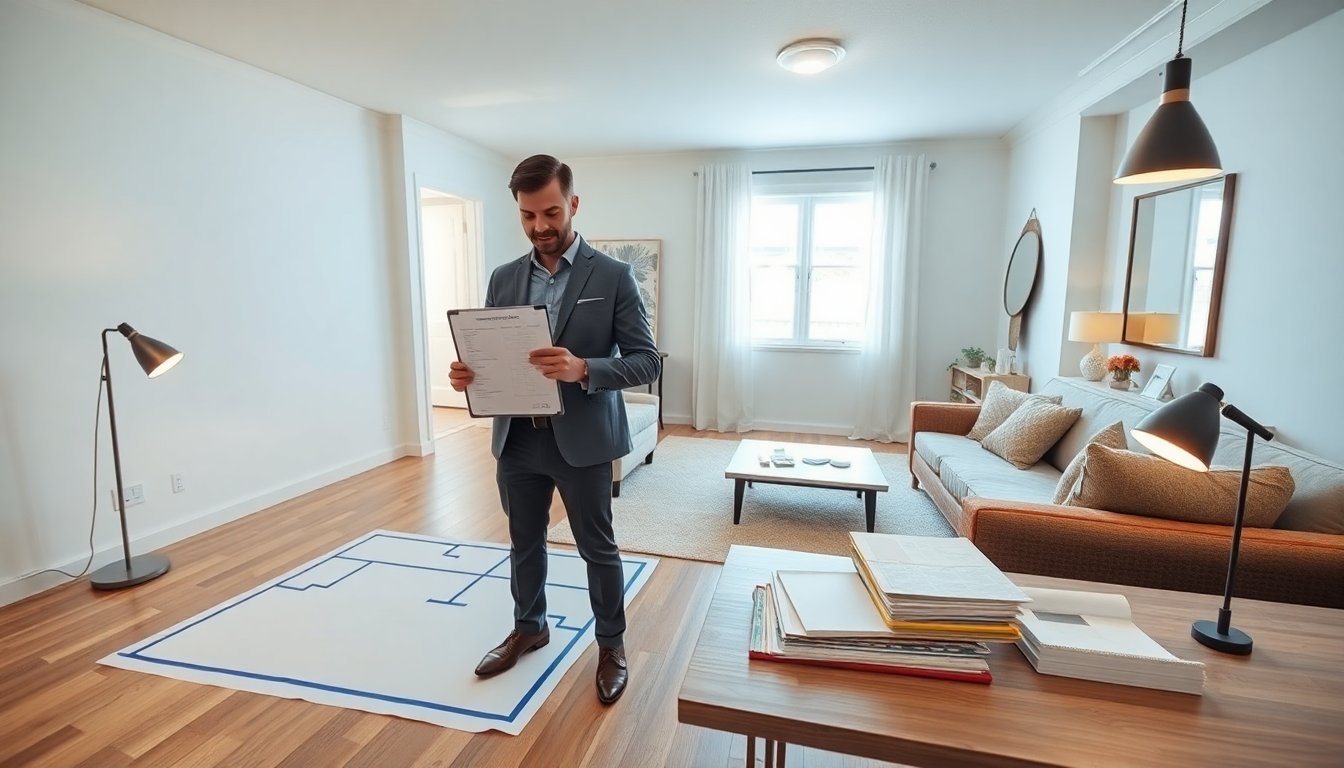
They test ideas quickly. The homeowner uses taped outlines on the floor to check furniture fit. They borrow a lamp or swap pillows to test color and scale. These small tests save time and money and keep decisions grounded in real use.
They document choices. The planner keeps photos, measurements, and links in one place. This record speeds purchases and prevents mismatches. In short, DrHomey advice on designing asks people to plan for how they live first, then pick styles that match that plan.
Choose Materials, Colors, And Lighting For Lasting Comfort
DrHomey advice on designing guides material and color choices toward comfort and longevity. The homeowner picks durable materials in high-traffic areas. They choose washable fabrics for sofas and mildew-resistant finishes for bathrooms. They select solid-surface counters where maintenance matters.
They pair colors with light. The planner tests paint swatches on different walls at morning and evening light. They watch how the color reads under warm bulbs and under daylight. Small swatches reveal undertones that affect the whole room.
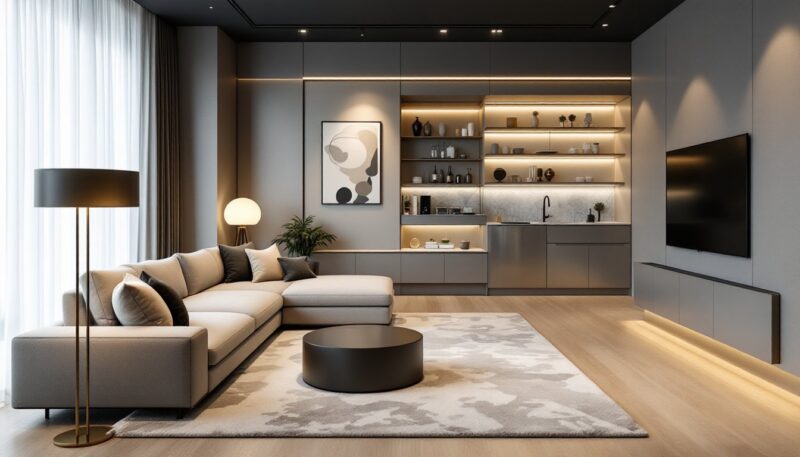
They set lighting by task. The homeowner installs layered lighting: ambient ceiling light, task lamps for reading, and accent lights for art. They choose dimmers to change mood and reduce glare. They prefer LED bulbs with a warm color temperature for living spaces and a higher Kelvin for work areas.
They balance texture and ease. The planner mixes soft rugs with hard floors to add comfort without hiding spills. They use matte finishes to hide fingerprints in other busy spots. They pick hardware and trim that match the room scale and feel.
They consider color for resale and comfort. Neutral walls widen small rooms and make furniture stand out. A focused accent wall adds personality without locking buyers into a bold palette. The homeowner looks at market trends and personal comfort to find a middle ground. The article notes that even sports brands refresh logos to improve clarity, which mirrors how homes need occasional visual updates to stay current and clear in design, as reported when the New England Patriots debuted a new logo in 2013 [patriot update].
Small Budget, Big Impact: Affordable Design Upgrades
DrHomey advice on designing highlights low-cost changes that improve daily life and perceived value. The homeowner upgrades lighting fixtures and swaps bulbs for instant effect. They replace cabinet hardware for a fresh look. They paint trim and doors to refresh a space without heavy spending.
They invest in high-impact textiles. The planner buys a durable area rug and two quality throw pillows. These items change room scale and add comfort at modest cost. They shop secondhand for solid pieces and refinish them rather than buy new expensive furniture.
They focus on function first. The homeowner adds storage solutions like floating shelves, under-bed boxes, and hooks at entries. These solutions reduce clutter and make rooms feel larger. They install simple organizers in drawers and closets to improve daily routines.
They prioritize visible updates that buyers and guests notice. The planner cleans grout, refreshes caulk, and re-stains wooden surfaces for a sharper look. They keep plumbing and electrical fixes current to avoid negative inspections later.
They use plants and mirrors. The homeowner places mirrors opposite windows to double light and adds easy-care plants to soften corners. They choose low-water plants for busy households.
They time purchases. The planner watches seasonal sales for larger items and buys essentials first. They track receipts and warranties in one file to protect purchases. In practice, DrHomey advice on designing encourages small, smart moves that give clear returns on comfort and value.
About The Author