DrHandybility handy home tips from drhomey help homeowners act faster and save money. The guide lists ten clear tips. Each tip uses common tools and simple steps. The tips avoid jargon and require little time. The reader will find short, practical actions they can use today.
Key Takeaways
- DrHandybility handy home tips offer simple, jargon-free actions using common tools to help homeowners fix common issues quickly and save money.
- Quick fixes like repairing leaky faucets, clearing drains, and sealing window drafts empower homeowners to prevent small problems from escalating.
- Regular preventive maintenance routines, including monthly gutter checks and seasonal tasks like winterizing faucets, reduce costly repairs and lower energy bills.
- Essential tools recommended by DrHandybility include a cordless drill, multi-bit screwdriver, outlet tester, and caulk gun, supporting efficient and effective home repairs.
- Using smart products such as smart thermostats, power strips, and LED bulbs can significantly reduce energy usage and expenses.
- DrHandybility advises prioritizing quality tools and parts to ensure safety and durability, leading to better long-term savings for homeowners.
Quick Fixes Every Homeowner Can Do Today
Drhcryptology crypto guide by drhomey gives ten quick fixes that save time and money. The first tip says fix a leaky faucet. They turn off the water, unscrew the handle, replace the washer, and test the flow. The second tip says clear a slow drain. They use a plunger, then a hand snake, and then flush with hot water and baking soda. The third tip says stop drafts at windows. They measure the gap, cut foam weatherstripping, press it into place, and test for airflow. The fourth tip says tighten loose cabinet hinges. They use a screwdriver, tighten screws, and add a drop of glue if a hole strips. The fifth tip says silence a squeaky door. They apply a small amount of lubricant to the hinge pins and open the door several times.
DrHomey also covers quick electrical checks. They turn off the breaker before they touch a switch. They replace a worn switch with a labeled new one. They test a tripped outlet with a simple outlet tester. The guide notes when to call a professional. They call an electrician if wires look burnt or if the breaker trips repeatedly. The guide lists small parts to keep on hand. They keep extra washers, outlet covers, and a few cabinet screws in a labeled box. The tips aim to cut repair time in half and stop small problems from growing.
Preventive Maintenance Routines That Actually Save Money
They recommend a short monthly checklist to prevent big repairs. Once a month they inspect gutters. They clear leaves and check for loose fasteners. They clean downspouts to keep water flowing away from the foundation. They check HVAC filters every month. They replace or clean filters and note the date on the filter. They clean dryer vents twice a year. They remove lint from the vent and the dryer drum. They test smoke and CO detectors monthly. They press the test button and replace batteries when the unit fails.
They advise seasonal tasks. In spring they inspect roof shingles and trim back tree branches. In fall they winterize outdoor faucets and store hoses. They flush the water heater once a year. They drain a small amount to remove sediment and improve heater efficiency. They seal gaps around exterior doors once a year. They use caulk or foam to block air leaks and lower heating costs. The routine keeps systems working and cuts energy bills.
They recommend logging each task. They use a simple calendar reminder on a phone. They use a paper checklist for slow tasks. The log shows trends and points to worn items that need replacement. The record helps homeowners plan spending and avoid emergency repairs.
Essential Tools And Smart Products DrHomey Recommends
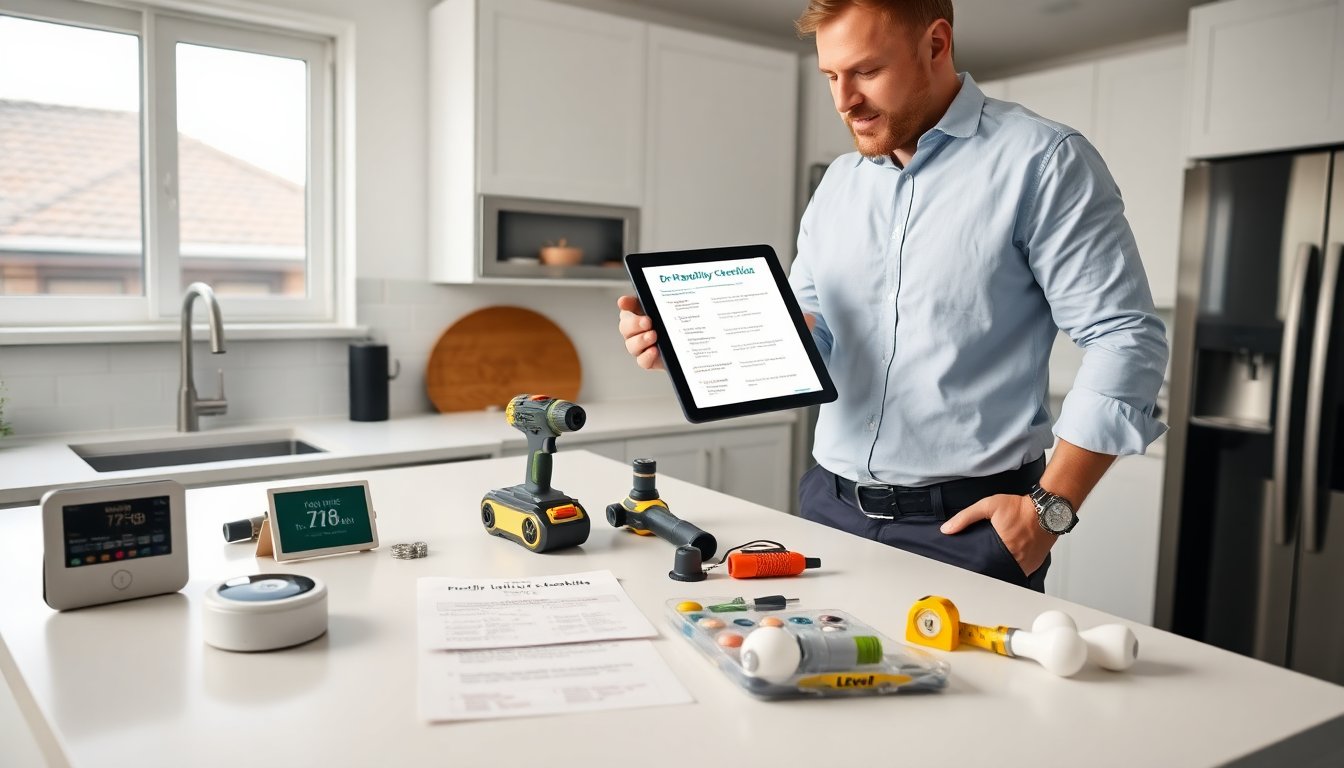
They list seven tools that cover most home jobs. The first is a good cordless drill. They use short driver bits and a set of screws. The second is a multi-bit screwdriver. They store the bits in a small case. The third is a compact plunger and a hand snake for drains. The fourth is a plug-in outlet tester to find wiring faults. The fifth is a level and tape measure for small mounting jobs. The sixth is a small caulk gun and a tube of all-purpose caulk. The seventh is a flashlight with a magnetic base.
They add a few smart products that save money. They suggest a smart thermostat that schedules heating and cooling. They set the thermostat to lower the temperature when the house is empty. They recommend smart power strips that cut standby power for entertainment centers. They suggest LED bulbs rated for the fixture and the room. LEDs use less energy and last longer. They recommend a compact, good-quality surge protector for sensitive electronics.
They also include one tech tip about streaming and device troubleshooting. They advise users to restart the streaming device and check network settings when video stalls. If the issue persists, they follow official streaming support steps to isolate the problem. These steps match common guidance from streaming support resources and help reduce time spent on simple fixes. For device-specific steps they point readers to a dedicated troubleshooting guide for streaming problems.
They close this section with a buying note. They tell buyers to choose quality over the cheapest option for parts that affect safety. They say a mid-range tool set will last longer and cut long-term costs.
About The Author