Every well-designed home is conceived far before construction or material decisions are made.
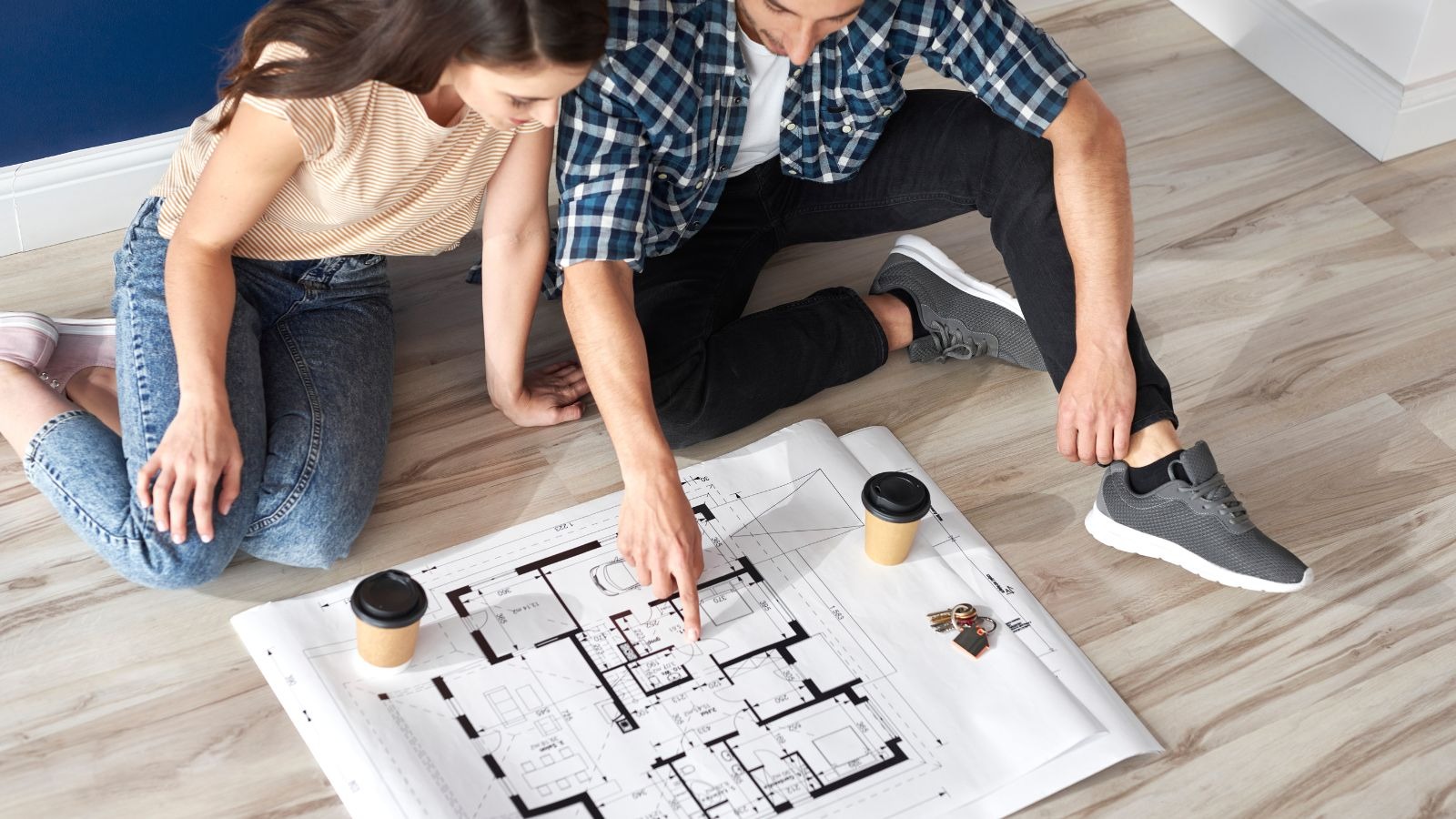
The key to a happily built residence is a well-thought-out floor plan. A floor plan explains how rooms relate to one another and how one moves through a house — how the rhythm of life will play out. Architects, interior designers, and homeowners all need to support the constant testing and tweaking of floor plans in the beginning phases of a design project to ensure apt, practical, and livable solutions.
This need has become increasingly important, currently driven by the change in housing trends due to remote work, varying family structures, and shrinking lot sizes in urban settings. A floor plan is now something more than just a 2D drawing.
Why Floor Planning Matters in Home Design
A layout is a window into how a household works. It impacts whether or not a kitchen can operate as part of a larger living space, if bedrooms are private enough, and if storage spaces are embedded into the home, instead of awkwardly appended during design. Wasted circulation or square footage may follow from a bad layout, as well as rooms that just don’t line up with how a family lives.
On the flip side, even smaller layouts can feel expansive if thoughtfully considered. Logical circulation, appropriate room dimensions, and appropriate separation between shared and private spaces can combine to create a great sense of space. This sense can be difficult to recapture mid-construction and is why this element of the design process is of paramount concern.
From Ideas to Visual Layouts
In the early stages of design, everything is up in the air. The homeowner may have an idea of how many rooms they’d like to have, but beyond that, it can be hard to imagine just how one community’s spaces and bedrooms/bathrooms connect. Designers often present multiple iterations of the floor plan until a final product is agreed upon. The instant gratification and simple ability to change plans becomes that much simpler when tech comes into play.
When you start designing with a computer-based program, it is much easier to create a floor plan that works for real life. Instead of having to rely on a blank piece of paper or rough drawings that only vaguely resemble the actual design, you and your designer can more easily and realistically discuss things like how large a space should be, where the furniture will go, hallways or walkspaces, and what is actually needed where.
Supporting Collaboration Between Designers and Homeowners
One of the hardest things to do in residential design is to communicate with clients. Not everyone can envision a relationally-scaled, flat drawing – often filled with hard-to-read architectural symbols — and most can only infer so much from that kind of representation. A visual floor plan, however, can make things more understandable and accessible.
And if a client can clearly see relations on their floor plan and elevations, you can have a productive conversation. You can both start making design suggestions based on what the spaces will do, versus what they look like. Maybe it seems like you can put together a kitchen efficiently, but if you love to entertain, will your friends be tripping over your seated guests? Or, maybe you don’t take any issue with mechanical noise, but is it appropriate for your home office to be in a home theater when it turns out to be a sunny day?
Adapting to Modern Living Requirements
Today’s homes need to flex more than ever. The living room may double as a home office, the kitchen functions as an entertainment space, and the bedroom may require some room for a workout or workspace. All this requires advanced planning, so it doesn’t come at the cost of style and comfort.
Well-thought-out floor plan allows designers to test the flexibility of a space. Will the guest bedroom become a home office in the future? Will the furniture take enough clearance for future changes in the family size? An early discussion can make your home livable for longer, avoiding costly renovations in the future.
Floor Planning as the Foundation of Design
Home finishes and furnishings, and the decorative touches that make a space unique, get lots of design airtime, but they’re all sitting on something (or in it). All the gorgeous tile in the world won’t make up for a place that doesn’t function well because its structural framework and organization don’t respond to the way we live. “Professional-looking” design can actually be quite disconnected from the body when its structure isn’t designed to support our daily lives.
It takes time and testing to make sure a layout is just right, and to envision how you and your family will occupy the space day after day. And new digital tools are making that process more accessible, so that design professionals and homeowners alike can participate more fully in the process of designing 3-dimensional space.
In reality, designing a home is about understanding how to use space and beginning with a plan that serves you well. A good plan is one that shifts and changes as your life does, and doesn’t require you to fit yourself into a space that doesn’t work for you. And that kind of well-thought-out, adaptable floorplan is what sets the stage for architecture that supports the way we live. That’s how design translates into real life — today, and for generations to come.
About The Author