Interior design dr homey focuses on comfort, smart choices, and lasting style. It offers clear steps that owners can follow. The approach values daily use, easy care, and calm aesthetics. Readers will learn practical methods to plan, pick materials, and run a project. The tone stays direct and useful for real homes.
Key Takeaways
- Interior design dr homey emphasizes comfort and practicality by focusing on daily use, easy maintenance, and calming aesthetics.
- Start your project with a detailed assessment of space needs, flow, and priorities to create a functional and livable environment.
- Use precise measurements and zoning to place durable furniture in high-traffic areas and improve everyday living flow.
- Create a focused mood board that balances style with function, limiting choices to reduce decision fatigue and align with budgets.
- Select durable, cozy materials and a flexible color palette to ensure long-lasting comfort and easy seasonal updates.
- Implement clear project phases with budgeting, timelines, and regular communication to minimize surprises and streamline completion.
The Dr. Homey Design Philosophy: Comfort Meets Practicality
Dr. Homey interior design puts people first. The team studies routines and routines inform choices. They pick furniture that fits movement and scale. They choose fabrics that clean easily and last. They set sightlines that reduce clutter and increase calm. They prefer layouts that make cooking, working, and resting easier. The philosophy blends cozy textures with simple, useful features. The result keeps the home livable and attractive over years.
Assessing Your Space The Dr. Homey Way: Needs, Flow, And Priorities
Dr. Homey interior design begins with a short, focused assessment. The assessor notes who uses each room and when. The assessor measures clear walkways and identifies bottlenecks. The assessor lists must-have functions and nice-to-have options. The process yields a short priority list for change. The list guides where to spend money and where to save. The team updates priorities when family needs shift.
Measure, Zone, And Prioritize For Real-Life Living
Dr. Homey interior design starts with exact measurements. The team maps zones for work, play, and rest. The team places durable pieces in high-traffic zones. The team keeps fragile items out of reach of children and pets. The team prioritizes storage near points of use. The team tests flow by simulating everyday tasks. The test reveals small fixes that improve daily life.
Create A Mood Board That Balances Style And Function
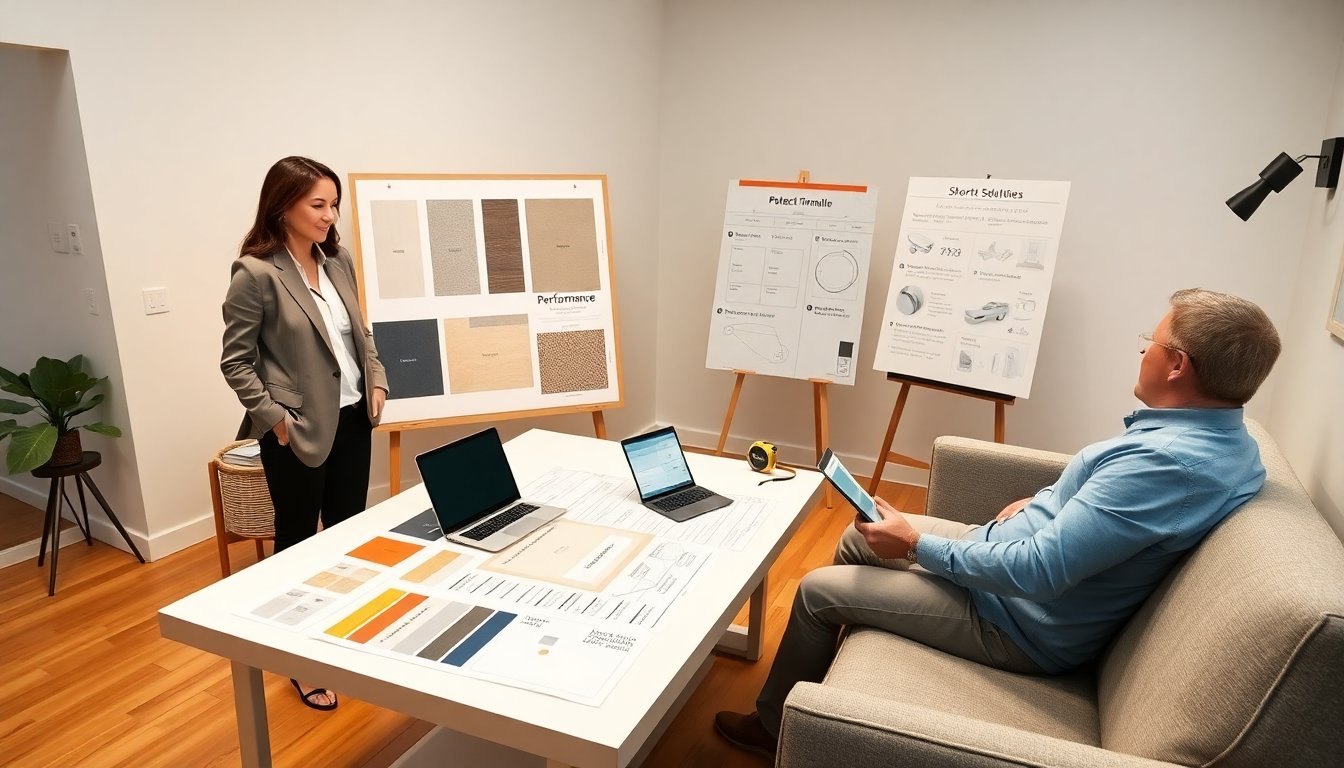
Dr. Homey interior design uses a focused mood board. The board shows a color range, textures, and key furniture. The board includes photos of real products and care notes. The board limits choices to avoid decision fatigue. The board flags hard-wearing fabrics and simple shapes. The board aligns style goals with cleaning and budget limits. The result makes purchases faster and safer.
Core Design Elements: Color, Materials, Lighting, And Storage
Dr. Homey interior design treats four elements as core controls. Color sets mood and hides wear when chosen well. Material choice affects comfort, cleanability, and lifespan. Lighting defines tasks and highlights focal points. Storage reduces visible clutter and speeds daily routines. The design balances these elements to keep the home calm and useful. The team tests combinations in small areas before full rollout.
Choosing Durable, Cozy Materials And A Flexible Color Palette
Dr. Homey interior design prefers materials that feel good and last long. The team often selects performance fabrics for sofas and rugs. The team picks finishes that resist fingerprints in kitchens and baths. The team recommends a neutral base color and two accent hues. The palette supports seasonal updates and small accents. The team avoids high-maintenance surfaces in busy areas. The approach lowers replacement costs and keeps rooms inviting.
Implementation, Budgeting, And Timelines For A Smooth Project
Dr. Homey interior design sets clear steps for work and buying. The planner breaks projects into research, order, install, and review phases. The planner assigns realistic lead times for custom items. The planner keeps a simple budget that lists items, labor, and a 10 percent buffer. The planner schedules messy work early and finishes with styling. The team communicates weekly and shares photos of progress. The method reduces surprises and speeds completion.
About The Author