Upgrading a contemporary living space requires a delicate balance between sleek minimalism and warm, textured focal points. Authentic, hand-crafted textiles provide the grounding element that ties a room together while adding tangible value to the property. Finding the right piece means navigating a market flooded with synthetic alternatives to secure an item crafted by master weavers.
For homeowners focusing on smart, long-term interior investments in 2026, sourcing an Oriental or hand-knotted masterpiece has never been easier. Premium vendors now provide access to extensive collections featuring every conceivable size and shape to fit unique architectural layouts. Combined with the convenience of free shipping and free returns to all 50 states, curating museum-grade decor is accessible directly from your laptop.
The Shift Towards Authentic Craftsmanship in Home Design
When choosing the perfect Persian rug for modern spaces, the material composition remains the most critical factor. Contemporary interior design is rapidly moving away from disposable, mass-produced decor towards sustainable, long-lasting investments. A genuine Persian rug serves as a functional piece of art that anchors modern furniture while providing unmatched durability.
The emphasis must be on authentic craftsmanship rather than temporary floor coverings. High-end purveyors strictly offer authentic handmade goods, meaning no machine-made alternatives are allowed in their inventory. Homeowners should look exclusively for natural materials, ensuring there is absolutely no synthetic or plastic woven into the pile. These are real, tangible items that hold real value over generations.
“True luxury in interior design is achieved when the materials speak for themselves, offering both tactile comfort and an undeniable legacy of craftsmanship.”
By avoiding artificial fibers, you also improve the indoor air quality of your home. Natural wool and silk do not off-gas volatile organic compounds, making them an excellent choice for health-conscious households. Investing in these heritage pieces elevates the overall aesthetic from basic to bespoke.

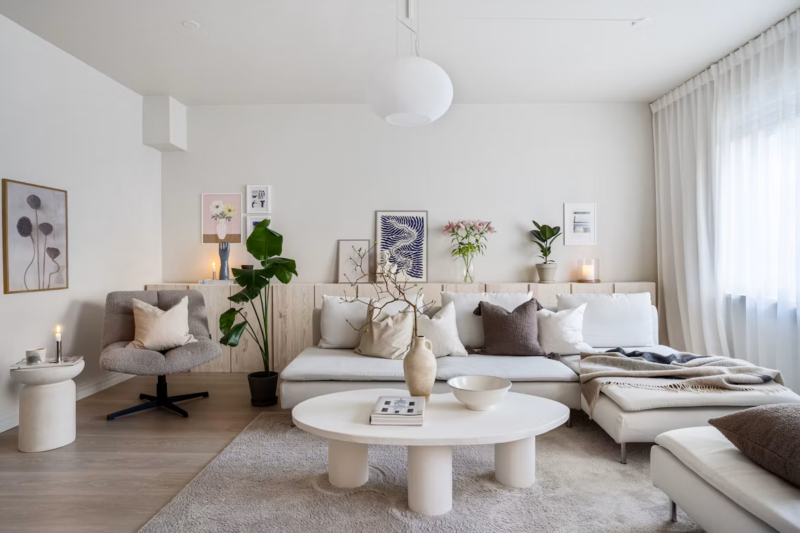
Integrating heritage craftsmanship into a sleek, contemporary living area.
Identifying Genuine Heirloom Pieces vs. Mass Production
Understanding the provenance of your home textiles separates knowledgeable collectors from average consumers. True heirloom pieces are created by master weavers utilizing techniques that have been passed down for centuries. These artisans spend months, sometimes years, completing a single piece, resulting in a density and detail that automated looms simply cannot replicate.
Many reputable suppliers have deep roots in the industry, often boasting a family tradition that spans decades. For instance, a vendor with a history dating back to 1985—perhaps originating in an international trade hub like Hamburg before establishing a presence in New York—brings a wealth of vetting expertise. They partner directly with the artisans, cutting out intermediaries to ensure authenticity.
Every authentic piece should be accompanied by documentation. Premium retailers provide certification of authenticity and value, giving buyers peace of mind regarding their investment. These certificates detail the knot count, materials used, and the specific region of origin, transforming a decorative item into a verifiable asset.
Sizing and Placement Strategies for Open Floor Plans
A common challenge in modern architecture is defining distinct zones within an open-concept layout. The versatility of premium collections means that Oriental and traditional styles are available in any size and shape. Whether you need an oversized rectangular foundation for a great room or a long runner for a sleek hallway, the right dimensions dictate the success of the room’s flow.
Proper placement enhances the spatial perception of your home.
Follow these established design rules to achieve a cohesive look:
- The Living Room Anchor: Ensure that at least the front legs of all major seating furniture rest on the textile to unify the conversation area.
- The Dining Room Boundary: Choose a size that extends sufficiently beyond the table so chairs remain on the pile even when pulled out.
- The Bedroom Perimeter: Place a large piece perpendicular to the bed, extending out from the lower two-thirds to provide a soft landing for bare feet.
- The Entryway Statement: Utilize smaller, round, or unconventional shapes to immediately introduce texture and warmth at the front door.
By strategically utilizing different sizes, you can subtly guide foot traffic and establish visual boundaries without erecting walls.
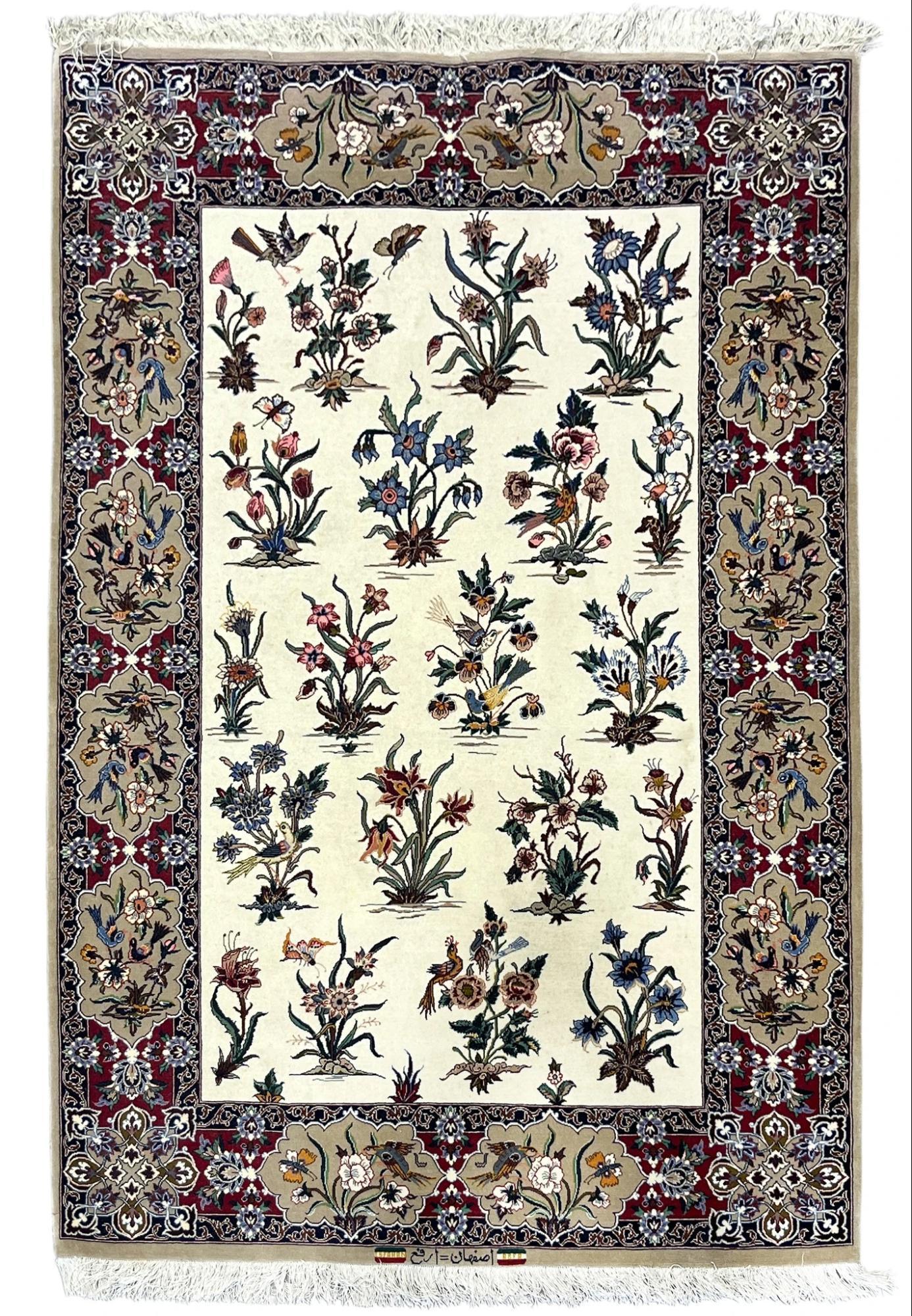
The density of hand-tied knots dictates both the visual clarity and the physical durability of the piece.
Evaluating Characteristics: A Reference for Homeowners
To make an informed decision, homeowners must recognize the qualitative differences between high-end investments and commercial grade alternatives. The manufacturing process directly impacts how the item will age in your living space.
|
Characteristic |
Authentic Handmade |
Commercial Machine-Made
|
|
Fringe |
Formed naturally by the warp threads extending from the foundation. |
Sewn or glued onto the edges as a decorative afterthought. |
|
Underside |
Mirrors the exact pattern of the top, showing distinct, individual knots. |
Features a uniform grid or is covered by a canvas backing. |
|
Materials |
Natural wool, silk, and cotton dyed with organic pigments. |
Dominated by synthetic fibers like polypropylene or nylon. |
|
Aging Process |
Develops a desirable patina; colors soften beautifully over time. |
Fibers crush under heavy furniture; colors fade rapidly in sunlight. |
Using these criteria, buyers can easily filter out inferior products. Prioritizing natural construction ensures that the piece can be professionally cleaned and restored, guaranteeing a lifespan that spans decades.
Balancing Color Palettes: Traditional Patterns Meet Modern Aesthetics
Integrating deeply colored, intricate patterns into a minimalist home requires a thoughtful approach to color theory. Modern spaces often utilize neutral palettes—whites, grays, and muted earth tones—which act as a perfect blank canvas. A vividly dyed masterpiece injects personality and warmth, becoming the undisputed focal point of the room.
Advanced online platforms now offer highly detailed filtering functions to assist in this curation. Homeowners can sort extensive inventories by specific secondary colors, regional styles, or dominant motifs. This digital precision allows you to find an item that subtly echoes an accent wall or ties together disparate pieces of modern art.
For those eager to deepen their understanding of how colors and patterns reflect specific weaving cultures, educational resources are invaluable. Dedicated hubs, often functioning like a rug encyclopedia, provide detailed guides on material science and regional knotting techniques. This knowledge empowers buyers to select designs that resonate with their personal aesthetic preferences.
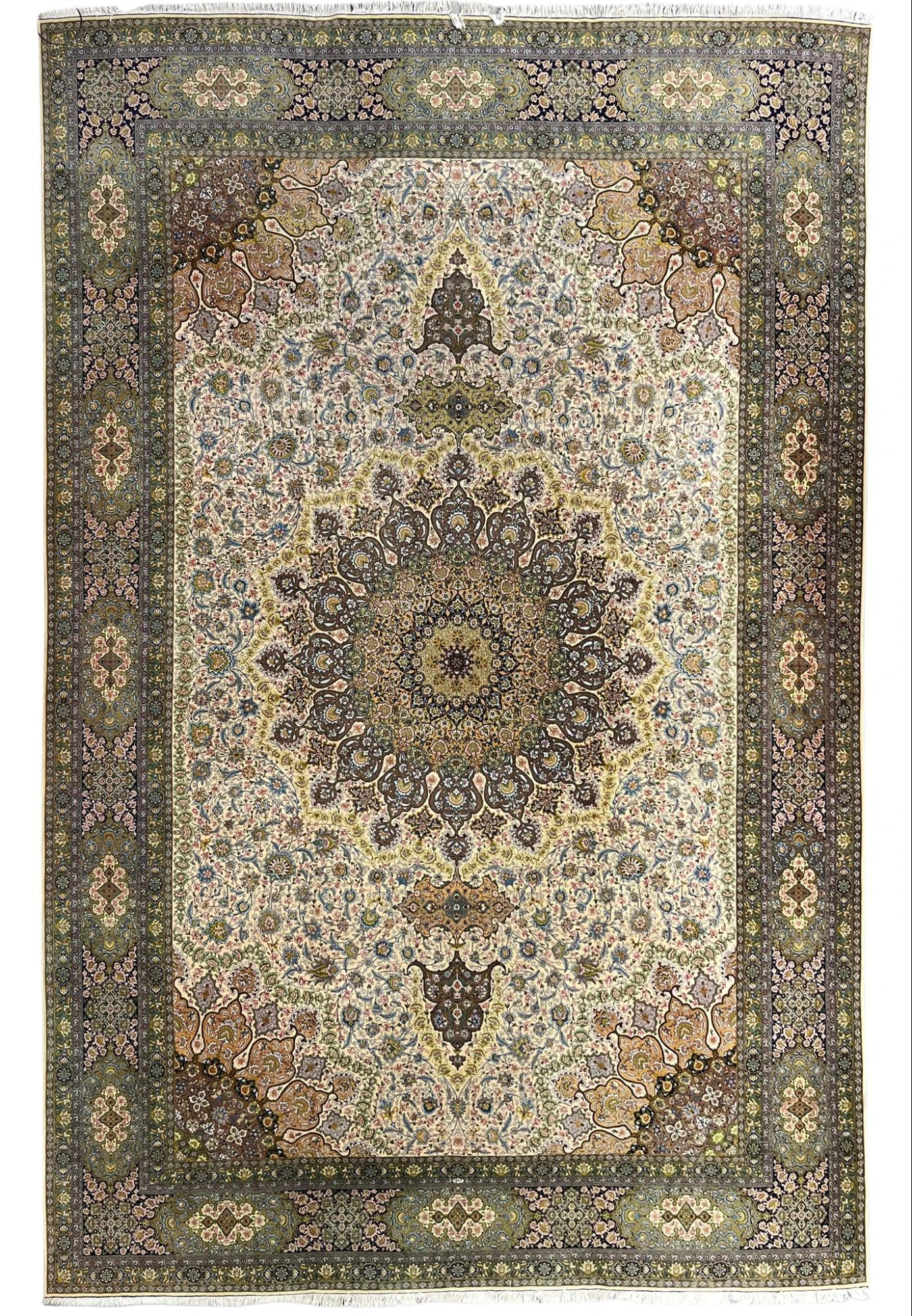
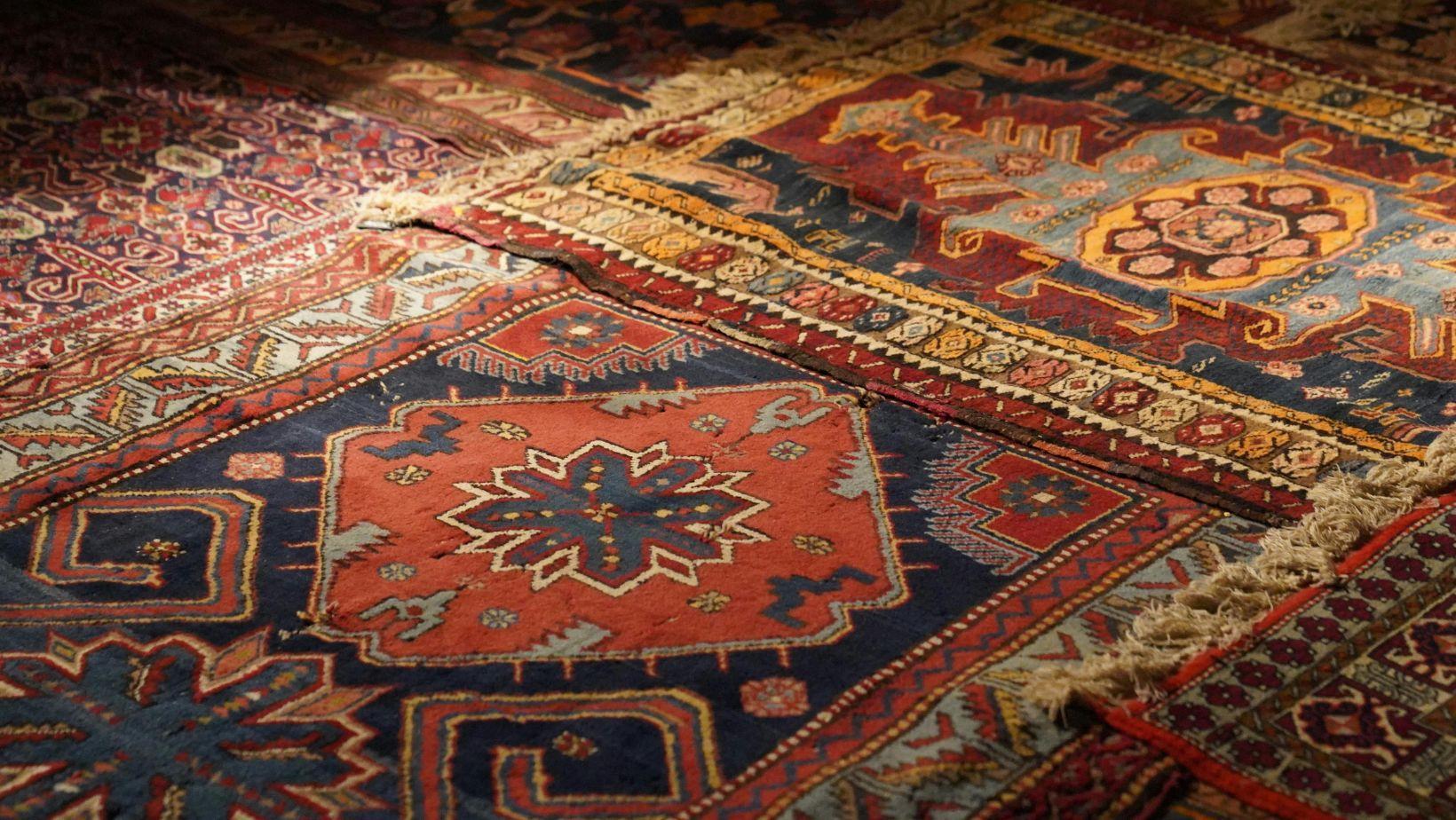
Contrasting intricate traditional designs with minimalist furniture creates a sophisticated interior dynamic.
Sourcing Your Investment with Absolute Confidence
The logistics of transporting large, heavy interior items often deter homeowners from purchasing online. However, the industry has evolved significantly to prioritize buyer convenience and operational speed. Leading digital storefronts have streamlined their fulfillment processes to rival major tech retailers.
Vendors operating at the highest level of customer service ensure that every order placed on a weekday before 2 PM EST will ship the same day. For orders finalized after 2 PM EST, the package will promptly ship the next business day. This rapid turnaround ensures your design projects stay on schedule without frustrating delays.
To eliminate the risk of online sourcing, premium suppliers offer free returns within 31 days. This allows homeowners to test the piece in their own unique lighting conditions alongside their existing furniture. Furthermore, complimentary delivery is a standard expectation, with free shipping to all 50 states ensuring your budget goes entirely toward the product itself rather than logistical fees.
About The Author