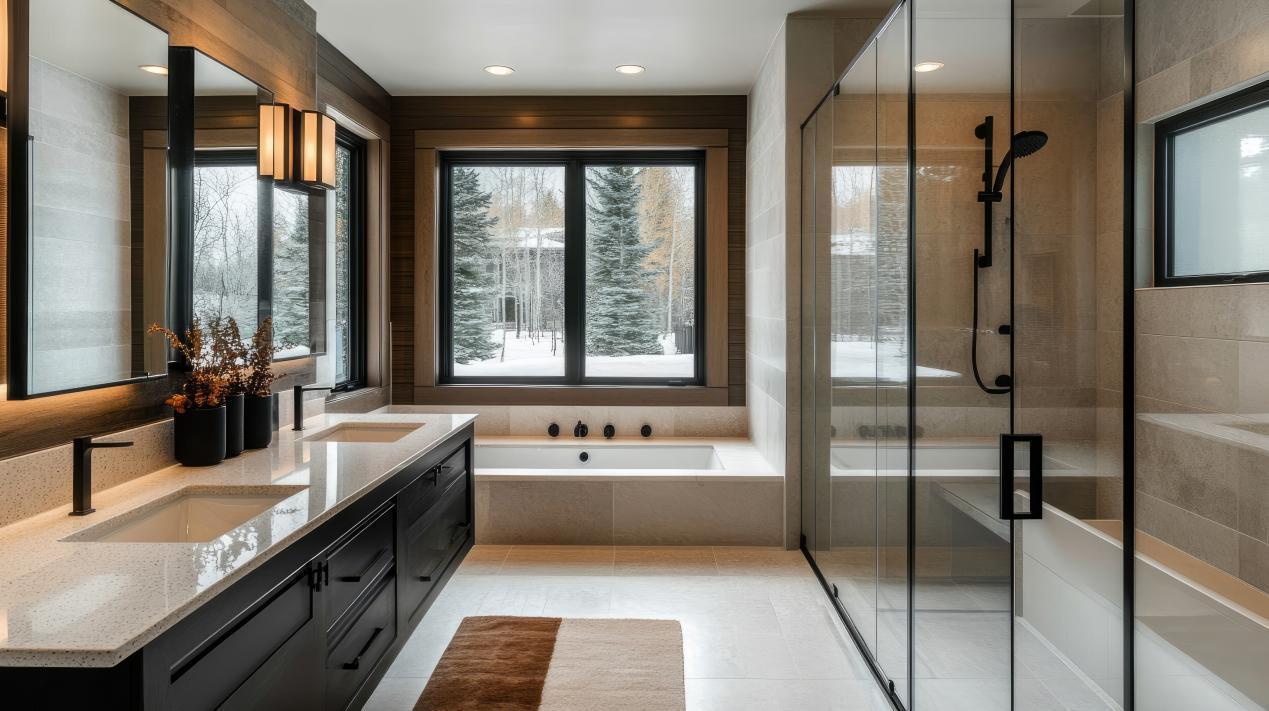
A renovation conversation always ends with someone pointing to the freestanding bath they have pinned seventeen times on their mood board and saying, “But is it even practical?” It’s a fair question. They look amazing in photos, but they gather dust underneath the feet, they’re tricky to get around when cleaning, and in a family bathroom, they can often feel more like art than functionality.
This is why deep-set baths are experiencing a subtle, well-earned renaissance — not due to being machined but simply doing the job.
3 Benefits of a Built-In Bath
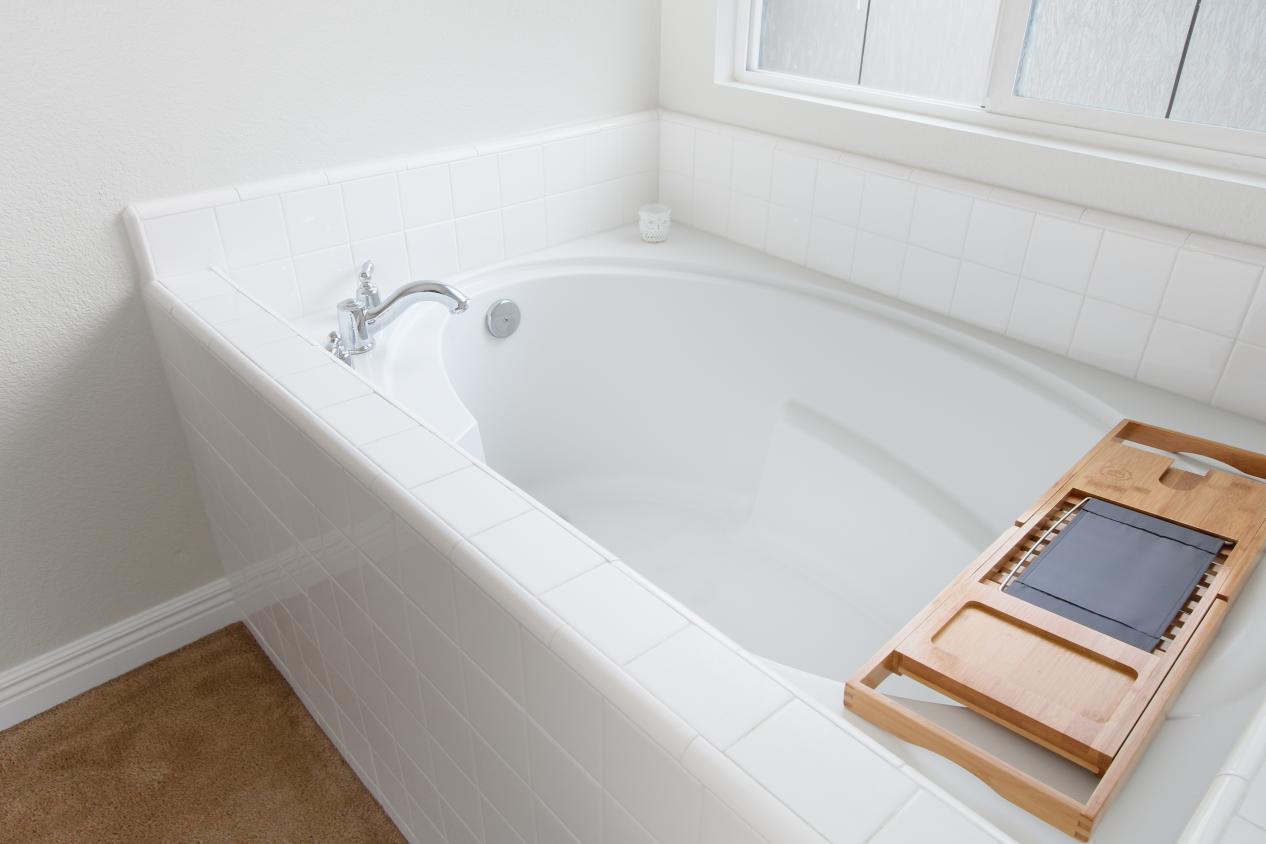
A three-sided surround, often tiled or clad in stone, with one long edge set flush to the wall or forming a section of platform—this is indicative of a built-in bath. The style, yes, a bath style originally that ruled Australian bathrooms for decades until freestanding baths came along and changed all of our concepts on design. And there was a reason it lingered: its utilitarian, minimal nature makes for (when done right) beautiful and space-effective design.
The surround itself is part of the architecture of the bathroom. A properly tiled built-in bath doesn’t just occupy a room; it owns it. The lines feel intentional. The entire space reads as thoughtful instead of a compilation.
The Case for Going Built-In
At its core, one of its most obvious practical advantages is that it stores. And formal surrounds are a wrap-around feature where the left or back ledge is tiled, so you have somewhere to put the shampoo, a candle, the book, and a glass of wine without finagling it all precariously on a soap dish. It sounds insignificant, but it completely alters the way you use the bath.
There is also the cleaning factor, which renovators often fail to consider until they have been living with a freestanding tub for six months and wasting twenty minutes every week trying to get a mop behind it. It’s straightforward.
Design Approaches Worth Considering
The alcove with three walls is the most common shape, and it fits a lot of rectangular bathrooms nicely.
These platform baths — where the constructed bathtub sits slightly higher on a tiled plinth — also introduce a flooring level change, which is visually interesting in larger bathrooms. It even allows you to continue the same tile across the floor and up the platform without an ugly transition. Finished in large-format stone-look porcelain, it looks really posh.
An option that goes so underutilised in your average home, corner built-ins. A corner layout is indeed ideal for a square bathroom in which the normal alcove, if properly placed, might previously fill out the space, and also some nook bathtub arrangements allow even more serious soaking needs than a conventional part bath will.
Another option is to recess a built bathtub with an edge that sits flush with the tiling around it, creating an almost seamless effect.
Material and Finish Choices
The surrounding material greatly affects how the completed bath reads. Subway tile has a certain forgiving cleanliness to it, but it’s become so overused that it’s often less intentional than default. For something a little more visually stimulating, maybe a running bond large-format tile in a soft, warm tone, some texture via textured fluted tile, or even a slab of your engineered stone carried through from the vanity bench.
The actual bath itself — the insert — is most often acrylic; it weighs so little, feels warm to the touch, and is easy to maintain. If you are the type to take long baths rather than make aspirational plans, cast iron is heavier but does retain heat particularly well. Weight/ Warmth retention: Stone resin falls somewhere in the middle.
Better to think early on tap placement. Wall taps placed above the tiled surrounding also provide a more streamlined look and are much easier to clean than deck-mounted tapware. It costs virtually nothing if you’re going to be tiling the surround otherwise, and it simply removes a lot of annoyance on an ongoing basis if you have a built-in tap niche from when you built that wall.
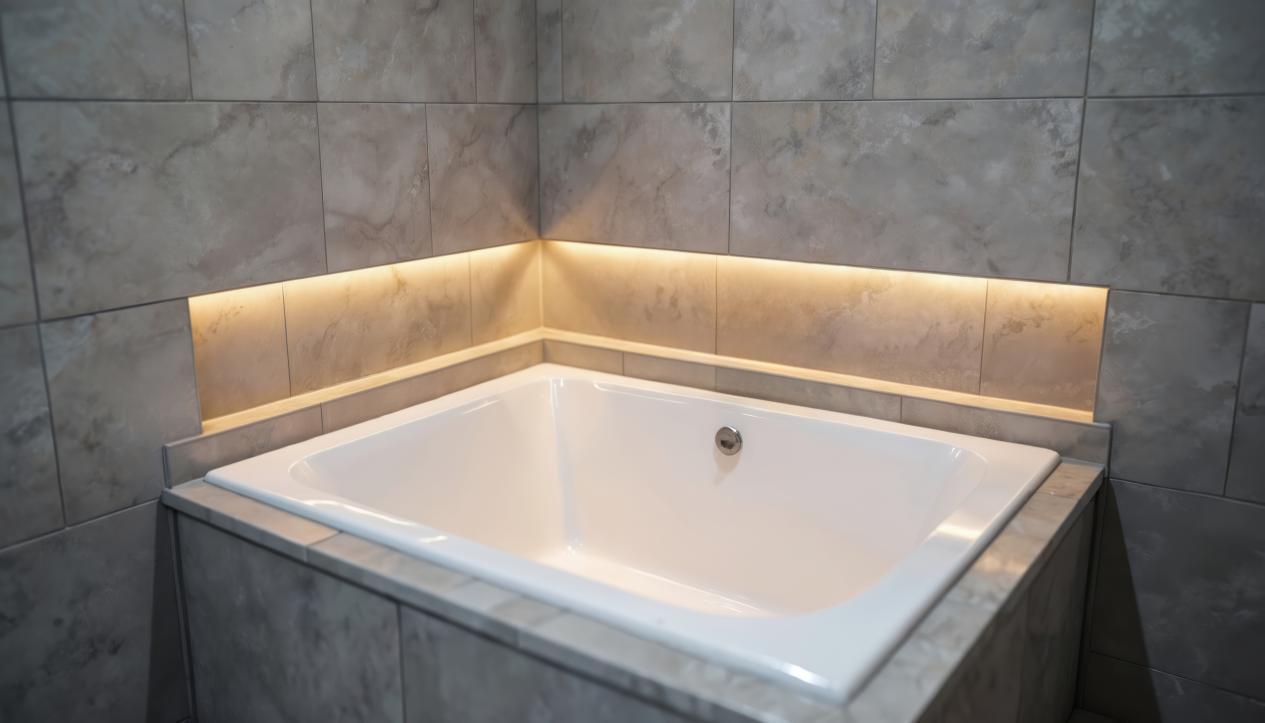
Is a Built Bathtub Appropriate for Your Bathroom?
The real answer is: depending on your bathroom, yes. A built tub fits more easily into small footprints, plays better on a family stage, and allows for greater creative freedom with how the entire space comes together. Often, it’s a bit easier to get into and out of as well. The tub-jump is less on standard built tub alcoves than on many free-standing models — it might seem trivial now, but for the longevity considerations if you’re taking on renovations in a house you’ll be in for a decade, this is no small matter!
The freestanding tub will always have its place — which is generally in a generous ensuite, where the whole point is we have a feature. However, a well-built-in bath in a working bathroom is often more astute, more liveable and increasingly, the more architecturally interesting option too.
About The Author