When planning a steel structure—whether it’s a garage, workshop, barn, or commercial building—one of the first decisions buyers face is choosing between a metal building kit and a fully custom build. Both options offer the durability and efficiency of steel construction, but they differ significantly in cost, flexibility, and project complexity. With providers like US Patriot Steel offering both standardized kits and customizable solutions, homeowners and business owners have more options than ever before.
Understanding the strengths of each approach will help you choose the right solution based on your goals, budget, and long-term plans.
What Is a Metal Building Kit?
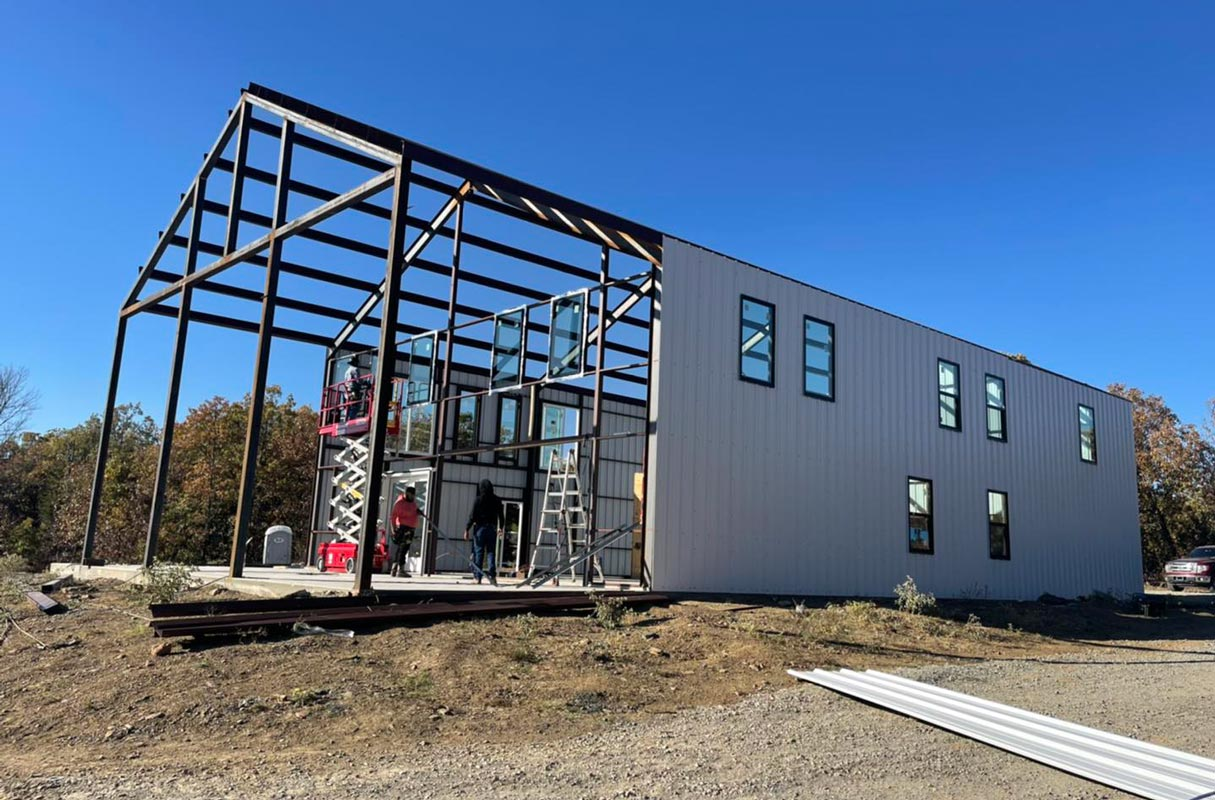
A metal building kit is a pre-engineered package that includes all the structural components needed to assemble a building. These kits are manufactured based on standardized designs and shipped ready for on-site assembly.
They typically include:
- Steel framing components
- Roof and wall panels
- Fasteners and hardware
- Basic engineering specifications
Metal building kits are designed for efficiency. Because they follow proven templates, they reduce engineering time, simplify ordering, and streamline construction.
Advantages of Metal Building Kits
The biggest advantage of a kit is cost efficiency. Standardized designs reduce manufacturing and engineering expenses, making kits more affordable than fully custom projects.
Another benefit is faster construction. Since all components are pre-cut and pre-engineered, assembly is straightforward and requires less time on-site. This is ideal for homeowners or businesses that want a quick solution without lengthy planning phases.
Kits are also well-suited for common applications such as:
- Residential garages
- Workshops
- Storage buildings
- Agricultural shelters
For these uses, a standard layout often meets all functional needs without requiring extensive customization.
What Is a Custom Metal Building?
A custom metal building is designed specifically around the buyer’s requirements. Every aspect—dimensions, layout, doors, windows, insulation, and structural features—is tailored to fit a particular use case.
Custom builds involve more detailed planning, including engineering adjustments, architectural considerations, and coordination with local building codes. This approach allows for greater flexibility but also requires more time and investment.
Advantages of Custom Builds
The primary benefit of a custom build is complete flexibility. Buyers are not limited by preset dimensions or layouts. This is especially important for projects with specific operational requirements, such as:
- Commercial facilities
- Automotive shops
- Warehouses
- Barndominiums
- Multi-purpose buildings
Custom designs allow you to optimize workflow, maximize usable space, and integrate features like oversized doors, unique rooflines, or specialized interior layouts.
Another key advantage is future scalability. Custom buildings can be designed with expansion in mind, making it easier to add bays, extend the structure, or adapt to changing needs over time.
Cost vs Value: What Should You Consider?
While metal building kits are more affordable upfront, custom builds often provide greater long-term value—especially for complex or high-use applications.
Kits minimize initial investment but may require compromises in layout or functionality. Custom buildings cost more initially but reduce the need for future modifications, which can be more expensive later.
The decision often comes down to how specific your requirements are. If your needs align with standard designs, a kit offers excellent value. If your project requires precision and adaptability, a custom build is the better investment.
Project Complexity and Timeline
Metal building kits are generally simpler to manage. With fewer design decisions and faster delivery, they are ideal for straightforward projects.
Custom builds involve more planning, approvals, and coordination, which can extend timelines. However, this additional effort ensures that the final structure fits your exact needs without compromise.
For many buyers, the timeline difference is acceptable when weighed against the long-term benefits of a tailored design.
Which Option Is Right for You?
Choosing between a metal building kit and a custom build depends on several key factors:
- Budget: Kits are more cost-effective upfront
- Purpose: Custom builds suit specialized or commercial uses
- Timeline: Kits offer faster completion
- Flexibility: Custom designs provide more control and scalability
There is no one-size-fits-all answer. The right choice depends on how you plan to use the building and how important customization is to your project.
Conclusion
Both metal building kits and custom builds offer the strength, durability, and efficiency that make steel construction so popular. Kits provide a fast, affordable solution for standard applications, while custom builds deliver unmatched flexibility and long-term adaptability. By understanding your priorities—whether it’s budget, speed, or design control—you can confidently choose the option that best fits your needs and ensures your investment performs for years to come.
About The Author