Construction projects rarely end the moment the final fixture is installed or the last inspection is completed. Before a project can officially be turned over to the owner, contractor, or buyer, the site must be cleaned, organized, and cleared of debris. Post-project cleanup is often the final step that determines how efficiently a project wraps up.
However, when waste removal is not planned carefully during the construction process, the final cleanup phase can become unexpectedly expensive. Debris piles, scattered materials, leftover packaging, and demolition waste often require additional labor and disposal services if they were not handled systematically during the project.
For construction managers, integrating waste removal planning into the overall construction workflow can significantly reduce the time and cost associated with post-project cleanup. Instead of treating cleanup as a final chore, proactive debris management ensures that waste is handled continuously throughout the project.
Why Final Cleanup Can Become Expensive
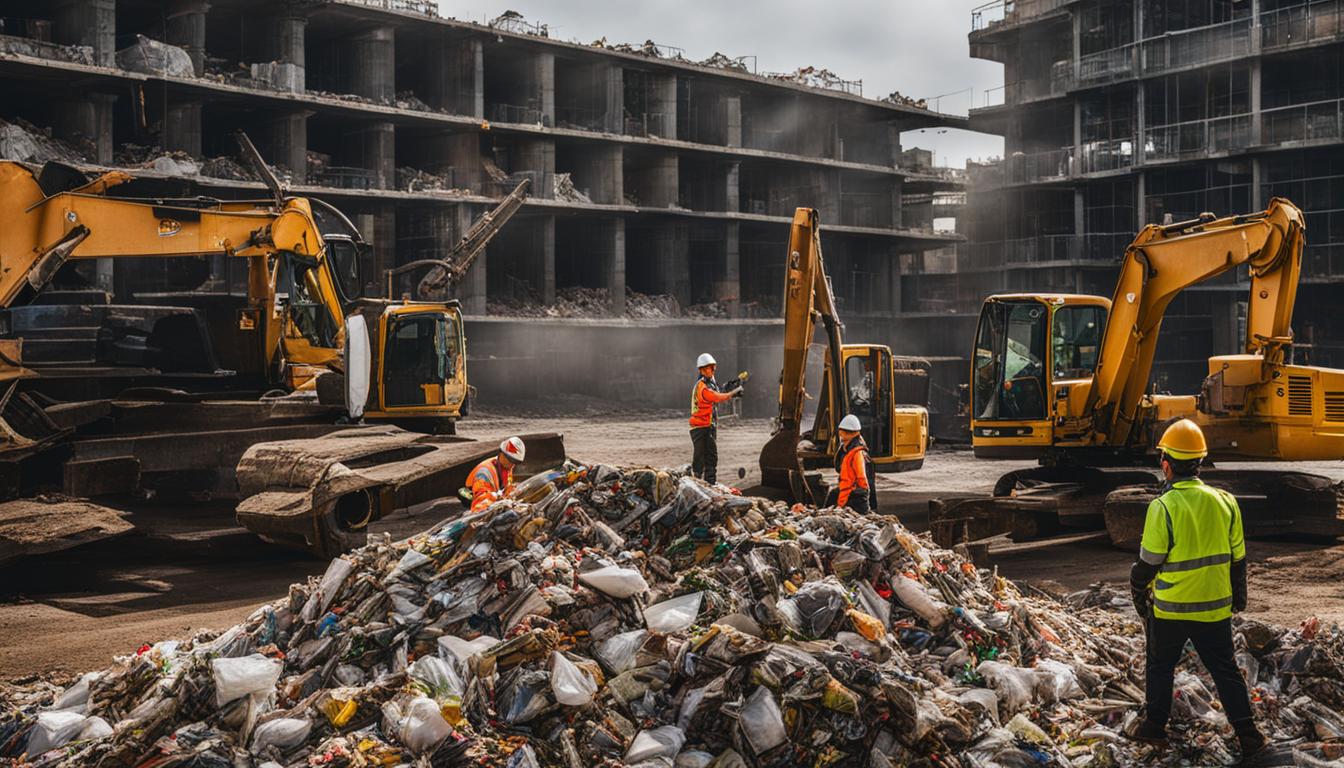
Post-project cleanup costs typically increase when debris accumulates throughout the construction process. When materials are left scattered across a site for extended periods, additional labor is required to gather, sort, and remove them at the end of the project.
This often involves:
- Labor crews dedicated solely to cleanup
- Additional hauling trips for leftover materials
- Sorting mixed debris into disposal categories
- Repositioning materials that were moved multiple times during construction
When these tasks are delayed until the project’s final phase, they require concentrated effort and resources.
A large accumulation of debris near the end of a project can slow project turnover and increase operational costs.
Continuous Waste Management Keeps Sites Organized
One of the most effective ways to reduce final cleanup costs is by managing waste continuously during construction. Rather than allowing debris to accumulate throughout the project, construction teams can remove materials regularly as work progresses.
This approach helps keep the site organized while minimizing the amount of debris left for final cleanup.
Continuous waste management typically includes:
- Removing demolition debris immediately
- Discarding packaging from new materials promptly
- Clearing work areas at the end of each workday
- Maintaining designated disposal zones
By handling debris gradually, construction managers reduce the workload associated with the final project phase.
Preventing Debris From Spreading Across the Site
Construction sites often involve multiple crews working simultaneously. If waste is not contained properly, debris can spread across different areas of the site as materials are moved and tasks shift.
For example:
- Lumber scraps may accumulate near framing areas
- Packaging materials may gather near delivery zones
- Drywall pieces may remain scattered during interior work
When these materials are left in place, they often require multiple handling steps before they are finally removed.
Designating a central disposal location helps prevent debris from spreading and simplifies removal later.
Keeping waste contained reduces the effort required to restore the site once construction is complete.
Labor Efficiency During the Project
Cleanup labor is typically more expensive when it occurs as a large final task rather than as part of routine jobsite maintenance.
If debris is removed continuously, workers can integrate cleanup into their normal workflow. For example, demolition crews can load debris directly into disposal containers rather than leaving it in piles.
Integrating cleanup into daily operations improves labor efficiency because workers handle materials only once rather than multiple times.
Reducing repeated handling helps construction managers control labor costs throughout the project.
The Role of Dedicated Waste Containers
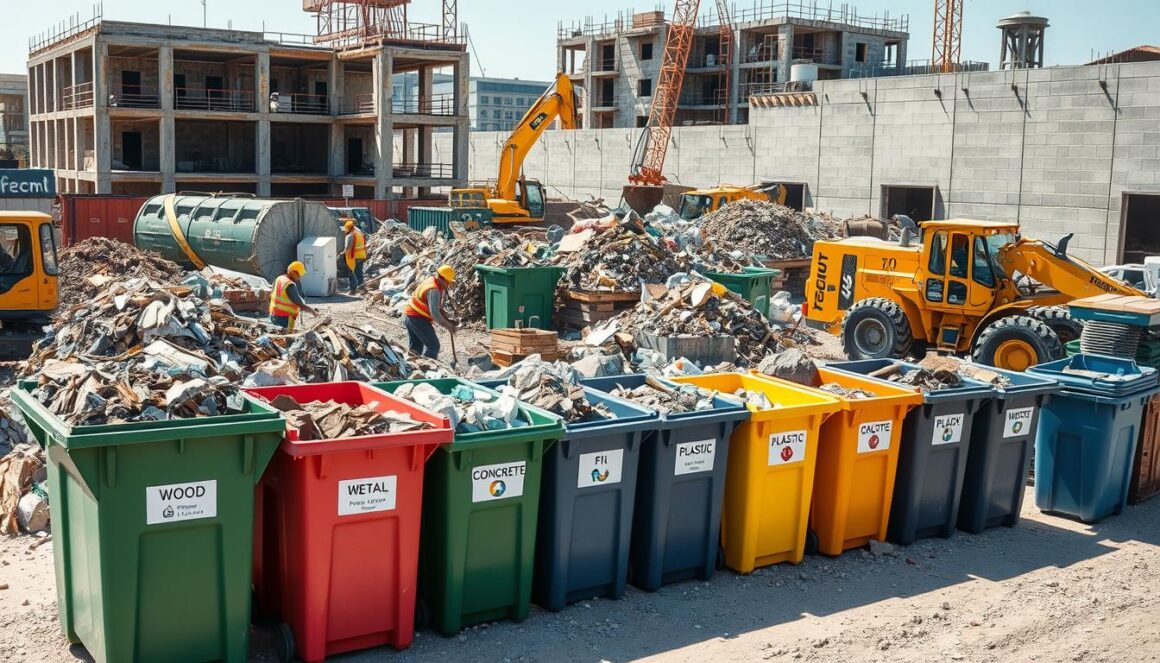
Dedicated waste containers play a key role in reducing post-project cleanup expenses. When debris is placed directly into a container as it is generated, it eliminates the need for large-scale gathering and sorting later.
A centralized container allows construction teams to remove materials immediately, keeping the site clear and organized.
Using a container during the project helps:
- Maintain a designated disposal location
- Prevent debris from accumulating in work zones
- Simplify removal at the end of the project
Coordinating container services with providers such as Waste Removal USA helps ensure that construction debris is removed efficiently throughout the project timeline.
Centralized disposal reduces the amount of waste left to manage at project completion.
Reducing Double Handling of Materials
When debris is not disposed of immediately, it often gets moved several times before final removal. For example, materials might be piled in one area, moved to another location later, and finally transported to a disposal container at the end of the project.
This process increases labor time and slows overall progress.
Direct disposal into containers prevents this problem by eliminating unnecessary material movement.
Handling materials once instead of multiple times improves overall efficiency and reduces labor costs.
Efficient handling practices contribute significantly to lower cleanup expenses.
Maintaining Safety Throughout Construction
Construction debris can create safety hazards when it accumulates around active work areas. Loose materials, broken boards, and packaging debris increase the risk of trips, falls, and other accidents.
Routine debris removal helps maintain safer jobsite conditions.
Keeping workspaces clear allows workers to move freely and reduces the risk of injury during construction.
Improved safety practices also reduce the likelihood of delays caused by accidents or workplace incidents.
A clean job site supports both productivity and safety.
Preparing the Site for Final Inspection
Before a construction project can be officially completed, it typically undergoes inspections and final walkthroughs. These evaluations often require clear access to building components, mechanical systems, and exterior areas.
Debris left on-site can obstruct inspectors and create delays in the approval process.
By managing waste continuously throughout the project, construction managers ensure that the site is ready for inspection without requiring extensive last-minute cleanup.
An organized site also presents a more professional appearance to project owners and inspectors.
Managing Packaging Waste from New Materials
Construction projects involve frequent deliveries of new materials, including appliances, fixtures, flooring, cabinetry, and building supplies. These deliveries generate large amounts of packaging waste such as cardboard, plastic wrap, and protective materials.
If packaging debris is left unattended, it can accumulate quickly and clutter staging areas.
Promptly removing packaging materials keeps delivery zones clear and simplifies material staging for future deliveries.
Managing packaging waste effectively prevents unnecessary cleanup work during the final project phase.
Avoiding Disposal Delays at Project Completion
When large volumes of debris are left until the end of a project, contractors may face scheduling challenges when arranging disposal services. If containers are not available immediately, debris may remain on-site longer than expected.
This can delay project turnover or interfere with final site preparations.
By coordinating waste removal throughout the project, construction managers avoid a sudden surge of debris that must be removed all at once.
Gradual disposal ensures that final cleanup can be completed quickly once construction ends.
Improving Project Presentation
The final presentation of a completed project plays an important role in client satisfaction. Whether the project involves residential construction, commercial development, or renovation work, a clean and organized site reflects professionalism.
Debris left scattered around a finished structure can detract from the appearance of the completed work.
Managing waste effectively throughout the project ensures that the final site looks clean and polished when it is ready for handover.
This attention to detail reinforces the quality of the construction work itself.
Integrating Waste Planning into Project Management
Construction managers often focus on scheduling trades, managing budgets, and coordinating materials. Waste removal planning should be incorporated into the same project management strategy.
Early planning allows managers to:
- Estimate debris volume
- Schedule container deliveries and pickups
- Coordinate cleanup with construction phases
- Monitor disposal costs throughout the project
When waste management is treated as an operational priority, the entire construction process becomes more efficient.
Proactive planning helps prevent costly cleanup surprises.
Post-project cleanup costs can increase significantly when debris accumulates throughout the construction process. Materials left scattered across the site often require additional labor, hauling services, and time to remove once construction is complete.
By planning waste removal early and managing debris continuously during construction, construction managers can reduce the workload associated with final cleanup. Organized disposal practices keep worksites safe, improve labor efficiency, and ensure that the project site is ready for inspection and handover without costly last-minute efforts.
Treating waste management as a core part of construction planning allows projects to finish cleanly, efficiently, and with fewer unexpected cleanup expenses.
About The Author