In Canada, the roofing systems are typically exposed to extreme environmental conditions. There are freeze-thaw cycles, summer heat waves, long winters, ice dams, and heavy snow loads that place ongoing stress on the roofs. As time passes, all these factors can reveal predictable patterns of shingle degradation.
It is, therefore, necessary to understand why and how the roof shingles fail. That will help the inspectors, property managers, and homeowners recognize the problems early on and arrive at an informed decision prior to any structural issue or collapse.
- Curling and cupping of shingles
Shingles fail typically through one of two ways- curling or cupping. Curling generally happens because of excessive heat over time, improper ventilation and moisture underneath the shingles. Without proper attic ventilation, shingles may be dried out at different rates, and that causes them to become distorted. Once that distortion occurs, their ability to properly shed water is also diminished and that increases the chance of a leak or wind damage.
- Shingle displacement and wind uplift
Wind can cause roofing shingles to be lifted, broken and detached from the roof surface. Generally, these faults occur due to improper fastening, incorrect nail placement, or insufficient adhesive seal between the shingle and the underlying materials due to deterioration. Once a shingle loses its adhesive seal, water that blows through it can enter the shingles, eventually causing moisture damage in the home. The constant cycle of wind uplift also weakens the surrounding shingles, creating a ‘domino effect’ for other shingles on the roof surface.
- Surface loss and degradation of granules
The loss of granules from the surface of shingles is also a common issue, particularly in areas where there are large amounts of hail or heavy rainfall. It is even common in areas with significant shifts in temperature over short periods of time.
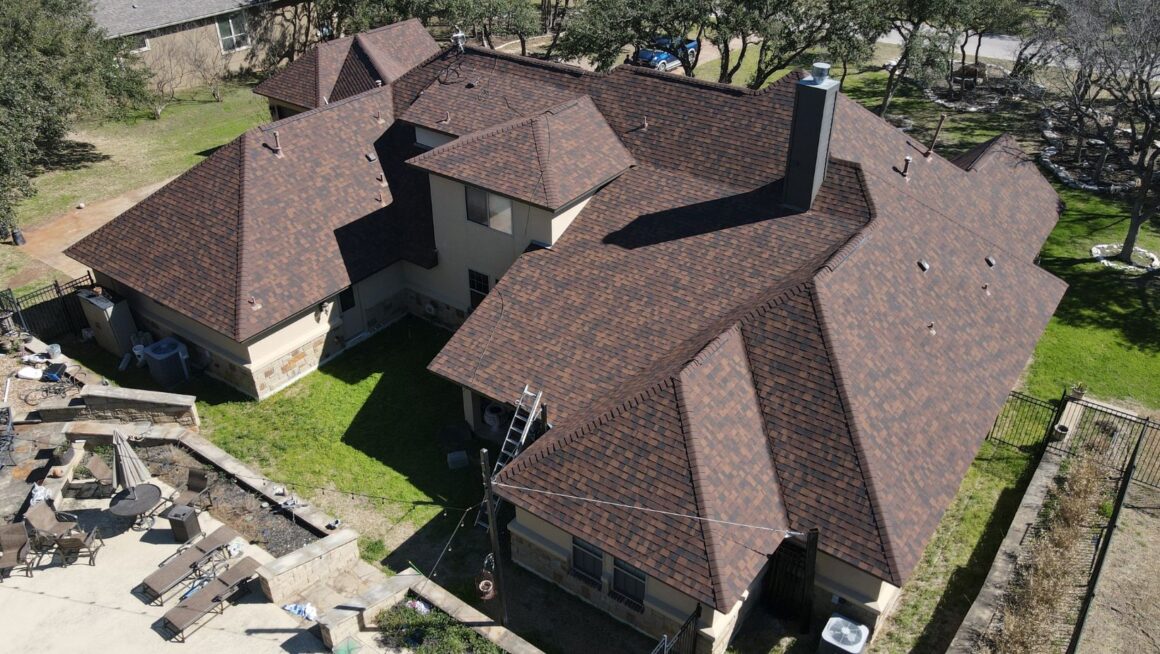
Granules act like a protective layer to the shingles, providing protection from UV rays and mechanical wear. Once the granules have been lost, the asphalt is exposed and accelerates the aging and brittleness of shingles. When granules are lost to the extent that the majority of the area of the asphalt is now exposed, it is an indication that the shingles have reached the end of their life.
- Importance of a roofing contractor
A certified roofing contractor is very important in the early detection of failure patterns and in solving their root problems. Regularly, the contractors check the ventilation, fastening, drainage, and material wear in terms of efficiency. They check if the repairs meet both the building codes and the manufacturer’s specifications, and this helps to avoid issues that occur repeatedly. Professional evaluation-driven early intervention can, to a significant extent, prolong the lifespan of a roof and cut down on the total cost of repairs for a long time. If you want to know more about this, you can check out Artisanroofing.ca.
Summing it up
The majority of roof shingles failures don’t just show up abruptly. Instead, the development over a period of time and the warning signs get revealed gradually. The granule accumulation in the gutters, cracking, curling, and uneven surfaces suggest underlying stress. Identifying all these patterns in the initial time enables corrective action much before water intrusion can affect insulation, interior finishes, and decking. Therefore, you might need to consult a professional roofer who can guide you accordingly.
About The Author