Instant hot water systems, often referred to as tankless water heaters, have surged in popularity among homeowners in recent years. Offering a modern solution to age-old heating methods, these systems provide numerous advantages over traditional counterparts. They present a more efficient way to meet a household’s hot water demands, allowing users to save both space and energy. With endless choices available, understanding the basics becomes crucial for making a well-informed purchase decision.
The purpose of this article is to guide homeowners through the essentials of selecting, installing, and maintaining an instant hot water system. By doing so, it aims to ensure a simple transition to enjoying all the benefits these systems have to offer.
Understanding Instant Hot Water Systems
At the heart of an instant hot water system is the concept of on-demand heating. Unlike traditional water heaters that store hot water for future use, these systems heat water only when required. As a result, water passes through high-powered burners or heating elements, delivering hot water almost instantaneously.
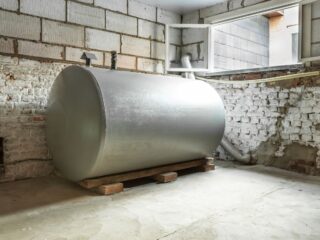
The key distinction between tankless and traditional systems lies in their mechanism. Traditional systems consist of a storage tank that keeps water heated to a set temperature. In contrast, tankless systems provide hot water only as necessary, negating the need for standby heat loss, leading to enhanced energy efficiency.
When it comes to available options, instant hot water systems come in two primary types: electric and gas. Electric units are typically considered easier to install but may have limitations in power output, making them ideal for smaller households. On the other hand, gas-powered systems might require a more complex setup but often boast a higher output, suitable for larger families with greater hot water needs.
The benefits of these systems are noteworthy. They deliver energy efficiency by eliminating the energy waste associated with keeping a tank full of hot water. Furthermore, their compact design helps save space, making them suitable for homes with limited room or for those who prefer a tidy, minimalist setup. Lastly, with a continuous supply of hot water, say goodbye to the frustration of running out mid-shower.
Key Factors to Consider When Selecting a System
Choosing the right instant hot water system involves considering several crucial aspects to ensure it meets your household’s specific needs. First and foremost, assess your household’s hot water consumption patterns. Understanding peak usage times and the number of fixtures can help determine the required flow rate and suitability of a particular system.
The energy source available in your home plays a significant role in the decision-making process. Consider whether you have more access to electricity or gas, as this will influence the type of system that is most economical and feasible for your setup.
Equally important is evaluating the space available for installation. While instant hot water systems save space compared to traditional tanks, ensuring adequate ventilation and proximity to the point of use is crucial for optimal performance.
Budgeting matters too. Keep in mind the initial purchase costs, installation fees, and potential upgrades to existing energy infrastructure. While instant systems are generally more expensive to install initially, the long-term savings on energy bills often offset these upfront costs.
Installation and Setup Process
The installation of an instant hot water system is best left to professionals. It’s crucial to find a qualified installer to ensure the system is fitted properly, maximising efficiency and safety.
Typically, the installation process involves determining the appropriate location, which includes considerations for plumbing and electrical or gas connections. After securing necessary permits and adhering to local regulations, the unit is mounted and connected to existing plumbing. Tests are conducted to ensure everything operates smoothly before completion.

Potential challenges can arise, such as navigating small spaces or retrofitting older homes. To streamline the process, consider consulting with professionals early on to preempt and address these issues effectively.
Maintenance and Troubleshooting
Regular maintenance is key to keeping an instant hot water system running smoothly. Routine tasks include descaling the system, checking for leaks, inspecting the combustion chamber for gas units, and cleaning or replacing filters.
Common issues that might pop up are often simple to address. If the water supply isn’t hot enough, consider examining the thermostat setting or checking for blockages. Always consult the manual for specific troubleshooting steps, and don’t hesitate to reach out to professional services when needed.
Scheduled servicing and inspections by certified technicians play an important role in maintaining the system’s longevity and reliability. Be sure to keep track of warranty periods and support options to manage any unforeseen repairs efficiently.
Enjoying the Benefits of Instant Hot Water Systems
Upon installation, users often express a newfound satisfaction with their instant hot water system. The convenience and reliability of endless hot water enhance the quality of everyday routines. To maximise efficiency, consider implementing water and energy conservation tips, such as lowering the thermostat setting and using water-saving showerheads.
The long-term savings associated with these systems are another benefit that can’t be overlooked. Reduced energy consumption contributes to lower utility bills and a smaller carbon footprint, appealing not just to frugal homeowners but also to environmentally-conscious individuals.
Sharing personal experiences and insights with fellow homeowners can encourage wider acceptance of this technology. By fostering awareness, more people can enjoy the comfort and efficiency these systems bring.
Wrapping It All Up
Understanding the journey from selection to installation helps take the stress out of upgrading your hot water system. With the right planning and a clear grasp of instant hot water system basics, homeowners can confidently choose a solution that suits their lifestyle and home layout.
If you’re considering making the switch, take the time to assess your needs, explore available options, and consult professionals who can guide you through the process. A well-chosen instant hot water system isn’t just an upgrade—it’s a daily comfort you’ll appreciate for years to come.
About The Author