Tilt and turn windows represent one of the most significant innovations in residential fenestration, combining aesthetic appeal with exceptional functionality and energy efficiency. Originally developed in Europe, these versatile windows have gained substantial popularity across North America due to their superior performance characteristics and user-friendly design. Whether you’re renovating an existing property or constructing a new home, understanding the advantages of tilt and turn windows can help you make an informed decision that will benefit your home for decades to come.
What Are Tilt and Turn Windows? Understanding the Mechanism
Tilt and turn windows operate through a simple yet ingenious single-handle mechanism that provides two distinct opening functions, making them fundamentally different from conventional American-style windows. The dual-operation design is controlled by rotating a single handle to different positions, each triggering a different opening mode.
The Tilt Function: When you rotate the handle upward or inward (depending on the design), the window tilts inward from the top by approximately 10 centimeters. This creates a secure ventilation gap while maintaining full security—the bottom and sides of the window remain locked, preventing unauthorized entry even when the window is open. This tilt position is ideal for situations where you want fresh air circulation without fully opening the window.
The Turn Function: By rotating the handle horizontally, you release the side hinges, allowing the entire window to swing open inward like a door. This full 180-degree opening provides maximum ventilation, emergency egress, and makes exterior window cleaning remarkably easy since you can access both sides of the glass from inside your home. The turn function transforms maintenance into a simple, safe task that doesn’t require ladders or reaching from outside.
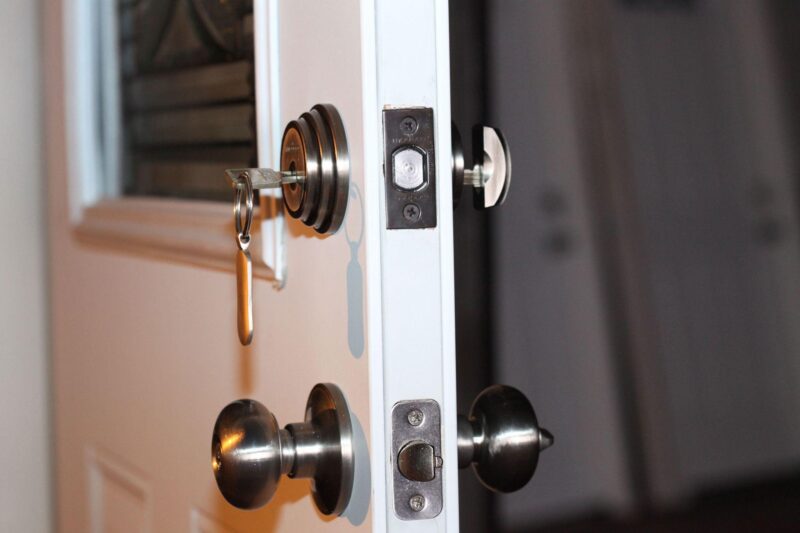
The Locked Position: When the handle points downward, all locking points around the frame perimeter engage, creating a secure, airtight seal that maximizes energy efficiency and security. The multi-point locking system—typically featuring 8 to 12 locking points depending on the window size—distributes pressure evenly around the frame, ensuring superior seal quality compared to traditional single-point locks.
Energy Efficiency: Keeping Your Home Comfortable Year-Round
One of the most compelling reasons homeowners and builders are adopting tilt and turn windows is their exceptional energy performance. According to the U.S. Department of Energy, windows account for 25-30% of residential heating and cooling energy use, making window selection one of the most impactful decisions you can make for home efficiency.
Advanced Glazing Technology: Tilt and turn windows typically feature double or triple-glazing with low-emissivity (low-E) glass coatings that reflect heat indoors during winter while blocking solar gain in summer. This advanced glazing technology significantly outperforms the standard double-pane windows common in American homes. The additional glass layer in triple-glazed units provides superior insulation, achieving U-values as low as 0.6 W/m²K—roughly 40-50% better than typical American double-hung or sliding windows.
Airtight Compression Seals: The hallmark of European tilt and turn windows is their use of compression gasket sealing systems rather than basic brush weatherstripping. These rubber gaskets compress against the frame when the window is locked, creating an exceptionally tight seal that dramatically reduces air infiltration. This airtight design maintains consistent indoor temperatures year-round, reducing the workload on your HVAC system and translating directly to lower energy bills.
Thermal Insulation: The frames themselves contribute significantly to energy performance. Whether constructed from uPVC, aluminum with thermal breaks, or engineered timber, modern tilt and turn window frames are designed with multiple chambers and thermal breaks that minimize heat transfer. This architectural sophistication is rarely found in standard American window frames, which prioritize maximizing glass area over insulation performance.
The result is tangible: homeowners typically experience measurable reductions in heating and cooling costs, with well-designed European tilt and turn windows helping achieve Passive House standards—the most stringent energy performance certification available.
Superior Security and Multi-Point Locking Systems
Home security is a top concern for homeowners, and tilt and turn windows offer a level of protection that exceeds traditional window designs. The multi-point locking system—with multiple locking points distributed around the window frame—creates a significantly more secure closure than standard single-lock mechanisms.
These locking points engage when the handle is in the closed position, creating a tight perimeter seal that makes forced entry substantially more difficult. The fact that the window is fully locked when tilted—with the bottom and sides secured while only the top is open—allows you to enjoy ventilation without compromising security. This is particularly valuable for upper-floor bedrooms or homes in urban environments where open windows might otherwise create security concerns.
The robust hardware required for the tilt and turn mechanism itself contributes to durability and security. The reinforced internal framework and precision engineering make these windows significantly more resistant to tampering than windows with simpler mechanisms. When combined with the airtight seal these windows provide, they represent a comprehensive security solution that protects against both intruders and the elements.
Ventilation and Air Quality Control
Modern homes increasingly prioritize indoor air quality, and tilt and turn windows offer sophisticated ventilation control that conventional windows cannot match. The tilt function allows you to maintain precise control over air exchange rates—you can achieve gentle, controlled ventilation without creating uncomfortable drafts or temperature fluctuations.
This controlled ventilation is particularly valuable during seasons with extreme outdoor temperatures. In winter, you can allow fresh air to circulate without losing the majority of your heated interior air. In summer, the tilt function enables night cooling—when outdoor temperatures are comfortable—without the security concerns of fully open windows. This flexibility means you can maintain healthy air exchange rates while minimizing energy waste, an achievement that typical fixed windows or simple casement designs cannot provide.
For homes in urban areas or near traffic, the ability to tilt-vent while maintaining the sealed integrity of the window becomes especially valuable. You can get fresh air circulation without exposing your interior to peak traffic noise—the compressed seals continue to provide acoustic benefits even in tilt mode.
Noise Reduction and Acoustic Performance
If you live near busy roads, airports, or railways, acoustic performance becomes a critical factor in window selection. Tilt and turn windows with high-performance triple glazing and tight sealing can reduce external noise by up to 51 decibels—an improvement of 35% compared to other high-performance windows and 75% compared to standard double glazing.
This superior acoustic performance stems from multiple factors working in concert. The multi-point locking system, when engaged, prevents air gaps around the frame through which sound can escape. The triple glazing with acoustic lamination uses different thicknesses of glass in each pane, which helps dissipate sound energy across different frequency ranges. The airtight compression seals ensure that no uncontrolled air paths exist for sound transmission.
For professionals who work from home, families with young children, or anyone seeking a peaceful interior environment, the acoustic benefits of premium tilt and turn windows can be transformative, creating a serene interior space regardless of external noise conditions.
Easy Cleaning and Maintenance
One of the most underrated benefits of tilt and turn windows is how dramatically they simplify window maintenance. Unlike double-hung, sliding, or even traditional casement windows, tilt and turn windows swing open inward, allowing you to safely access both interior and exterior glass surfaces from inside your home.
This eliminates the need for ladders, window cleaning services, or scaffolding—you can clean both sides of all your windows from the comfort and safety of your interior. For upper-story windows, ground-floor windows, or any installation where external access is inconvenient or dangerous, this feature alone provides enormous practical value.
Maintenance Requirements: Tilt and turn windows are remarkably low-maintenance compared to other window styles. Routine care involves cleaning the glass and uPVC frames every 2-3 months with mild soap and water, and inspecting seals twice annually—particularly before winter—to ensure they remain flexible and effective. Applying a silicone-based seal conditioner twice per year keeps gaskets soft and maintains their compressive properties.
The hinges and locking mechanisms benefit from annual lubrication with a non-acidic window lubricant, which keeps the mechanism operating smoothly and reduces friction. This simple maintenance schedule, which most homeowners can manage independently without professional service, ensures that your tilt and turn windows continue operating perfectly for 20+ years with minimal effort.
Aesthetic Versatility and Design Appeal
Modern tilt and turn windows come in an extensive variety of colors, finishes, and frame materials to complement any architectural style. Whether your home features contemporary design, traditional character, or transitional aesthetics, you’ll find tilt and turn windows that enhance your property’s visual appeal.
The single-handle design is sleek and discreet, contributing to clean interior and exterior lines. The windows themselves feature slim frames compared to traditional American designs, which maximizes the glass area and provides more expansive, unobstructed views of the exterior. This combination of performance and aesthetics makes tilt and turn windows particularly attractive to homeowners seeking to upgrade their home’s curb appeal while improving functionality.
Available in uPVC, aluminum, and timber frame options, these windows can be customized to match existing architectural elements or establish a new contemporary aesthetic. Finishes range from classic white to woodgrain and metallic options, providing flexibility to integrate seamlessly with your home’s design scheme.
Installation and Cost Considerations
Installation Quality: Professional installation is crucial for realizing the full performance benefits of tilt and turn windows. Proper installation ensures precise alignment, correct seal compression, and smooth operation of both tilt and turn mechanisms. Because the technology involves more sophisticated hardware and requirements than traditional windows, engaging an installer experienced with European windows is essential.
Costs: Tilt and turn windows represent a meaningful investment compared to basic American window styles. Entry-level models typically range from $200-$300 per unit before installation, with mid-range options from $300-$600 per window. Professional installation typically adds $75-$250 per window depending on complexity and local labor rates.
While these costs exceed standard double-hung or slider options, the superior energy efficiency, enhanced security, extended lifespan (20-30+ years with proper maintenance), and improved home value make them a financially sound long-term investment.
Return on Investment: Window replacement consistently ranks among the top home improvements for return on investment. Research indicates that homeowners recoup 65-75% of window replacement costs when selling their property, with energy-efficient options like tilt and turn windows providing particularly high returns. Beyond financial returns, new windows represent a tangible upgrade that attracts buyers and typically reduces time-on-market when selling.
Comparing Tilt and Turn Windows to Traditional American Windows
The differences between European tilt and turn windows and traditional American window styles reflect fundamentally different design philosophies. American windows prioritize simplicity, familiar operation, and easier installation through standardized sizes and simpler mechanisms. However, European tilt and turn windows prioritize energy efficiency, security, and performance, meeting more stringent building codes that have evolved in response to European climate conditions and energy policies.
Energy Performance: European building standards have historically mandated tighter thermal performance requirements than current U.S. ENERGY STAR minimums. This has driven innovation in seal technology, frame insulation, and glazing design that results in measurably superior energy performance. A well-made tilt and turn window will significantly outperform a standard double-hung or sliding window from a leading American manufacturer.
Security and Seal Quality: The multi-point locking systems and compression gasket technology of tilt and turn windows create superior seal integrity compared to traditional American designs that often rely on brush weatherstripping. This doesn’t mean American windows are poorly made—rather, that different engineering priorities have resulted in different performance characteristics.
Flexibility for Different Spaces: Tilt and turn windows excel in spaces where traditional outward-opening casement windows create practical challenges—upper floors, narrow spaces, or installations near patios and decks. Their ability to operate in tilt mode provides controlled ventilation without requiring exterior clearance.
For homeowners willing to invest in superior performance and are seeking long-term value, tilt and turn windows consistently outperform traditional American window styles across nearly every performance metric.
Making the Decision: Is a Tilt and Turn Window Right for Your Home?
Tilt and turn windows represent an excellent choice for homeowners who prioritize energy efficiency, security, comfort, and long-term value. They’re particularly well-suited for:
- Climate-controlled homes in regions with significant heating or cooling demands
- Upper-story bedrooms where security-conscious ventilation is valued
- Homes near external noise sources where acoustic performance matters
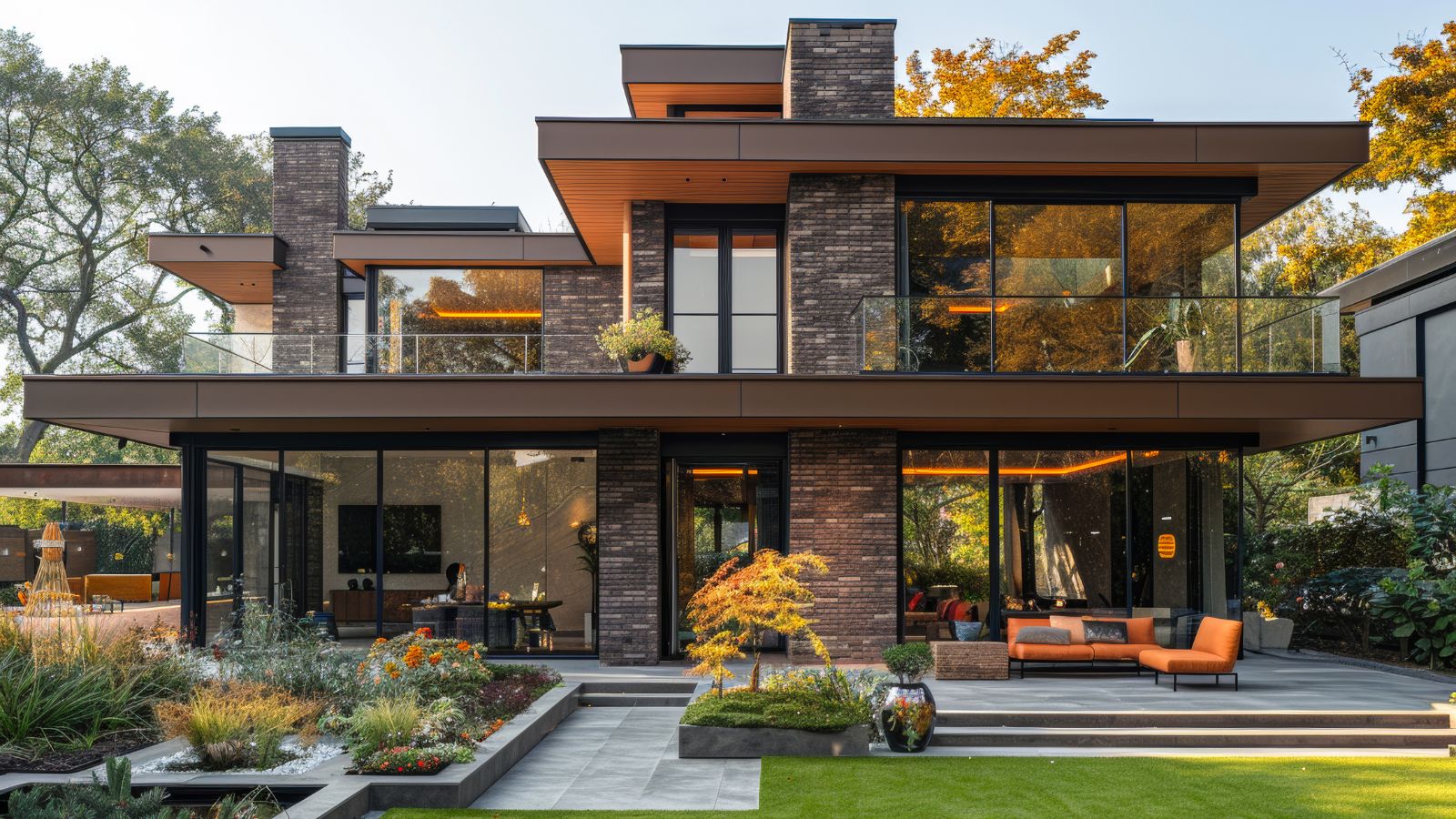
- Modern home designs where sleek aesthetics and high performance are both priorities
- Homeowners seeking low-maintenance upgrades that require minimal ongoing care
- Properties where increased resale value is a consideration
For specialized European window solutions that deliver exceptional performance and aesthetic appeal, consider working with established manufacturers like Seemray, which has built a reputation over 25+ years for providing high-performance fenestration solutions for both residential and commercial applications throughout the United States and Europe.
Conclusion
Tilt and turn windows represent a meaningful evolution in residential window technology, combining sophisticated engineering with practical benefits that improve daily living. Their superior energy efficiency reduces utility costs, their multi-point locking systems enhance security, and their dual operating modes provide unmatched ventilation flexibility. The easy cleaning and low maintenance requirements mean that the practical benefits continue delivering value for decades after installation.
While these windows require a larger initial investment than basic American-style windows, their exceptional longevity, energy performance, and contribution to home value make them a financially sound upgrade. As homeowners increasingly prioritize comfort, efficiency, and long-term value, tilt and turn windows have become the benchmark for residential window performance in North America. If you’re considering a window upgrade, tilt and turn windows deserve serious consideration—the benefits will serve your home and family well for generations to come.
About The Author