Knowing how to install drywall sounds simple until you are standing in the middle of a room with heavy sheets, uneven framing, and seams that refuse to line up. Many homeowners start confidently, then hit problems halfway through their project.
Crooked walls. Popped screws. Wavy joints that show through paint. These are the drying installation headaches commonly encountered.
This guide walks you through the full drywall installation process, from prep to final finish, using clear steps and real-world tips. You will know what matters, where people go wrong, and when it makes sense to slow down or get help. If you want walls that look flat, smooth, and ready for paint, this is for you.
Knowing How to Install Drywall Starts with Proper Preparation
Drywall work starts long before you lift a panel. Prep is where most results are decided.
Check framing and surfaces first
Drywall follows whatever is behind it. If studs are twisted or uneven, the finished wall will show it.
Walk the room and look for:
- Studs that bow or twist
- Gaps larger than 1/4 inch
- Loose framing or nail pops
- Electrical boxes that sit too deep or too shallow
Use a straightedge across studs. Adding small shims to make areas flush can save hours of sanding later.
Measure the room carefully
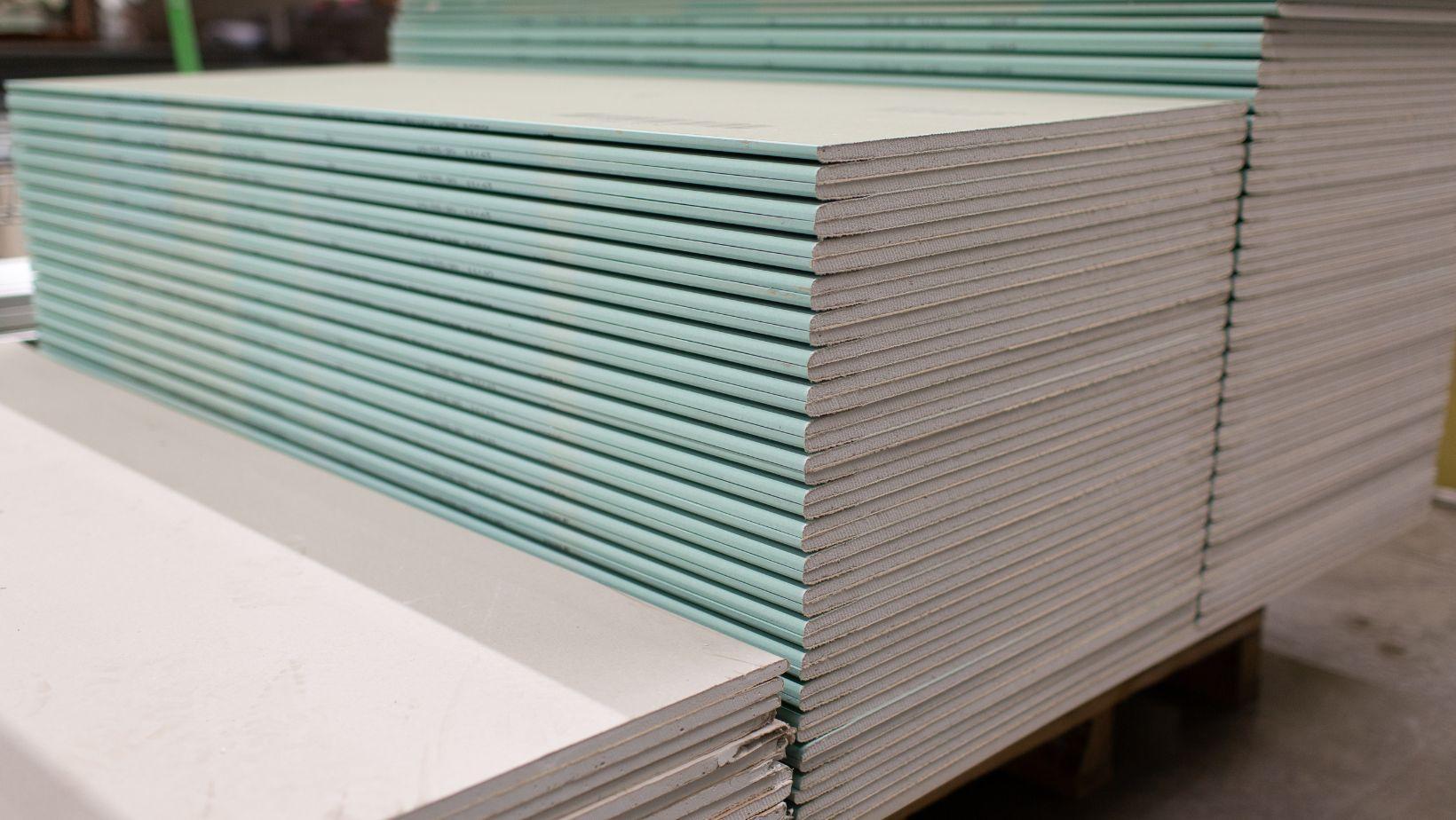
Drywall sheets come in standard sizes, usually 4’x8’, 4’x10’, or 4’x12’. Plan your layout so seams land on studs and avoid small slivers at corners or ceilings.
Ask yourself:
- Can you run full sheets horizontally?
- Will vertical seams land cleanly on studs?
- Where will joints be most visible?
Planning reduces waste and creates stronger walls.
Gather the right tools
You do not need every tool on the shelf, but you do need the right ones.
At minimum:
- Drywall lift or a helper
- Drywall saw or utility knife
- Drill with a drywall screw bit
- T-square and tape measure
- 4-inch, 6-inch, and 10-inch taping knives
Mud pan and sanding block
Cheap tools leave marks and slow you down. Well built essential tools make the job smoother and faster.
How to Install Drywall Without Creating Future Problems
How to install drywall the right way starts with how you hang the sheets. This stage sets the tone for everything that follows.
Hang ceilings before walls
Always start with the ceiling. Ceiling sheets help lock wall panels in place and hide edge gaps.
Tips that matter:
- Run sheets perpendicular to ceiling joists
- Stagger seams so they do not line up
- Keep fasteners about 12 inches apart
- Sink screws just below the surface, not through the paper
If a screw breaks the paper, back it out and place another nearby.
Hang wall sheets using full panels first
Start at a corner and work across the wall. Use full sheets where possible. Cut pieces come last.
Key points:
- Leave a small gap at the floor
- Keep edges tight but not forced
- Avoid lining up seams over doors and windows
- Check for plumb as you go
If a sheet does not sit flat, stop and fix the framing. Do not force it.
Mind the screw pattern
Fastener spacing matters more than many realize.
General rule:
- 12 inches apart on ceilings
- 16 inches apart on the walls
Closer spacing near edges
Uneven screw depth causes bumps that show after painting.
Taping and Mudding for Flat, Clean Walls
This is where most DIY drywall jobs fall apart. The goal is not thick mud. The goal is smooth transitions.
First coat: tape and embed
Apply a thin layer of joint compound. Press tape into the mud. Smooth it flat.
Use:
- Paper tape for flat seams
- Corner bead for outside corners
- Pre-creased tape for inside corners
Wipe away excess. Thick mud causes cracking.
Second coat: widen the joint
Once dry, apply a wider coat with a 6-inch knife. Feather the edges out.
What to watch for:
- Do not build height in the center
- Keep edges thin
- Fix bubbles or loose tape early
Let it dry fully before sanding.
Third coat: final smoothing
Use a 10-inch knife to blend everything into the wall.
Light pressure works best. You are smoothing, not filling holes.
After drying:
- Sand lightly
- Use a work light to spot ridges
- Touch up only where needed
Too much sanding damages the paper face.
Corners, Ceilings, and Tricky Spots
Flat walls are only part of the job. Details make the difference between amateur and polished work.
Inside and outside corners
Use paper tape folded down the middle for inside corners. Apply compound on both sides, press the tape in, and smooth gently.
For outside corners, install metal or vinyl corner bead. Secure it straight, then build compound out from both sides.
Ceilings that look smooth
Ceilings show flaws more than walls because light hits them at angles. Take extra care with seams and sanding overhead.
Some homeowners choose a light texture to hide minor imperfections. Others prefer a smooth finish and accept the extra work.
When Drywall Repair Beats Full Replacement
Not every project needs new sheets. Small damage often calls for repair, not replacement.
Common repair cases:
- Cracks from house movement
- Water damage spots
- Nail pops
- Holes from old fixtures
If the damage spreads or framing is involved, replacement makes more sense.
When to call in professional help
Drywall looks simple on paper, yet real homes bring surprises. Uneven framing, old plaster, and tight timelines add stress fast.
If you want walls ready for paint without weeks of trial and error, working with experienced installers can save time and cleanup. Homeowners often look to trusted local crews who handle both drywall and finishing so the surface is truly paint-ready. This is where knowing how to install drywall fits naturally into a renovation plan, especially when you want consistent results across an entire home.
Common Drywall Mistakes to Avoid
Most drywall problems come from rushing or skipping steps.
Watch out for:
- Hanging sheets on uneven framing
- Overdriving screws
- Using too much joint compound
- Sanding aggressively
- Ignoring dust control
Drywall dust travels everywhere. Seal rooms and protect vents.
How to Install Drywall with a Finish Ready for Paint
By the time the final coat dries, you should have flat seams, clean corners, and a smooth surface that feels even to the touch. Wipe away dust, apply primer, and inspect the walls under good lighting before paint goes on.
When you understand how to install drywall, you gain more control over home projects, even if you decide to hand off part of the work. Whether you tackle one wall or plan a full renovation, preparation, patience, and clean technique lead to walls you will be proud to live with every day.
About The Author