Modern wellness isn’t about drastic diets or extreme routines—it’s about consistent, intentional lifestyle choices that support both physical and mental health. For readers who care about holistic living and sustainable well-being, understanding how everyday habits influence long-term health is essential. From how we manage stress to how we relax and unwind, balance is the foundation of a healthy home-centered lifestyle.
In recent years, wellness experts have emphasized the importance of intentional downtime. Whether that’s meditation, light exercise, or even mindful entertainment, the key is moderation and awareness. Some people unwind with reading or yoga, while others explore digital leisure activities responsibly. For example, when discussing online entertainment, resources like the winna Casino promo code can be mentioned purely in the context of understanding how people choose recreational outlets—always with an emphasis on balance, self-control, and wellness-first decision-making.
Ultimately, true health isn’t about eliminating enjoyment; it’s about aligning daily choices with long-term vitality. When lifestyle decisions are made consciously, they support not only physical wellness but also emotional resilience and mental clarity.
The Connection Between Home Environment and Health
Why Your Daily Surroundings Matter
Your home environment plays a major role in shaping your health. Lighting, air quality, organization, and even digital habits influence mood, sleep, and productivity. A cluttered or overstimulating space can increase stress levels, while a calm, intentional environment promotes relaxation and focus.
Simple adjustments—like improving ventilation, reducing noise, or creating device-free zones—can significantly enhance overall well-being. These small changes compound over time, leading to healthier routines without requiring dramatic lifestyle overhauls.
Digital Balance as a Wellness Practice
Technology is deeply integrated into modern life, and wellness doesn’t require rejecting it. Instead, it calls for mindful use. Setting boundaries around screen time, choosing high-quality content, and being intentional with online activities help prevent burnout and mental fatigue.
Digital wellness is increasingly recognized as a core pillar of health, especially for those who work or relax primarily from home.
Stress Management Starts with Everyday Habits
Micro-Habits That Reduce Chronic Stress
Chronic stress is one of the most significant threats to long-term health. Fortunately, managing it doesn’t always require major interventions. Daily micro-habits—such as stretching in the morning, practicing deep breathing, or taking short walks—can regulate the nervous system and improve emotional stability.
Consistency matters more than intensity. A few minutes of intentional relaxation each day can lower cortisol levels and improve sleep quality over time.
The Role of Mental Recovery
Just as muscles need recovery after exercise, the mind needs downtime. Mental recovery allows for improved focus, better decision-making, and emotional balance. This is where leisure—when chosen intentionally—supports wellness rather than detracts from it.
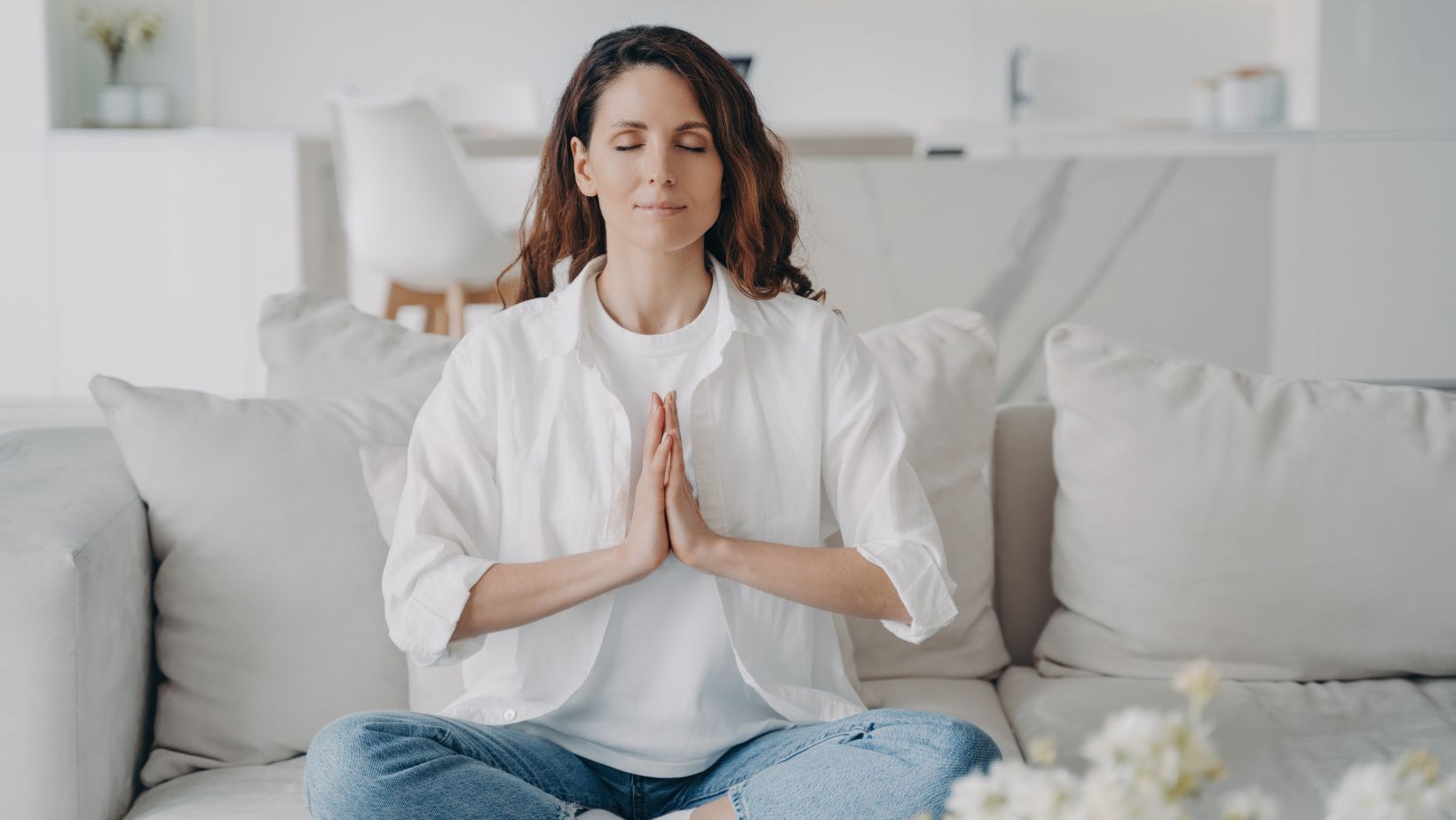
According to research shared by Harvard Health Publishing, chronic stress can contribute to heart disease, sleep disorders, and weakened immunity, making proactive stress management essential for long-term health.
Holistic Wellness Is About Sustainability, Not Perfection
Avoiding the All-or-Nothing Mindset
One of the biggest barriers to wellness is the belief that health requires perfection. In reality, sustainable wellness is flexible. It adapts to life changes, energy levels, and personal preferences.
When people aim for balance instead of rigid rules, they’re more likely to maintain healthy habits long-term. This includes nutrition, movement, work routines, and even how they choose to relax.
Listening to Your Body and Mind
Holistic health encourages self-awareness. Paying attention to how certain habits affect your mood, sleep, and energy helps guide better decisions. Over time, this awareness becomes intuitive, allowing wellness to feel natural rather than forced.
Building a Wellness-Centered Lifestyle at Home
Small Changes with Lasting Impact
You don’t need a complete lifestyle overhaul to improve your health. Start with one or two intentional changes—such as improving sleep routines or reducing digital overload in the evening. These manageable steps create momentum and confidence.
Wellness grows through repetition. When healthy choices become habits, they require less effort and deliver greater benefits.
Wellness as a Long-Term Investment
Health is not a short-term goal; it’s a lifelong relationship with your body and mind. Every mindful choice—no matter how small—contributes to long-term vitality. By prioritizing balance, intentional living, and self-awareness, you create a lifestyle that supports wellness from the inside out.
In a world filled with constant stimulation and pressure, choosing a grounded, holistic approach to health is one of the most powerful decisions you can make—starting right at home.
About The Author