Modern life has a way of following us home. Between work notifications, family responsibilities, and constant digital noise, even our personal spaces can start to feel overwhelming. That’s why creating small, intentional moments of relaxation at home has become essential for maintaining both mental and emotional well-being.
True relaxation doesn’t always require dramatic lifestyle changes. Often, it’s about discovering simple activities that help the mind slow down and refocus—whether that’s a quiet evening ritual, a creative outlet, or even a light, low-pressure form of entertainment that provides a mental reset after a long day.
The Importance of Mental Downtime at Home
Home should be a place where your nervous system can relax. When we don’t give our minds enough downtime, stress can quietly build up, affecting sleep, mood, and overall health. Research consistently shows that intentional breaks—especially ones that engage the brain without overwhelming it—can improve focus and emotional resilience.
For some people, this looks like meditation or journaling. For others, it might be gardening, cooking, or engaging in simple games that offer distraction without demanding intense concentration. Even casual digital activities, when used mindfully, can provide a brief escape that helps the brain reset.
Interestingly, light interactive games have gained popularity as a way to unwind in short bursts. For example, some users enjoy probability-based games like plinko as a form of low-effort entertainment, especially on platforms that emphasize simplicity and visual calm. When approached responsibly, options such as the best crypto casino plinko are often viewed not as high-stakes experiences, but as quick mental breaks similar to puzzle apps or casual mobile games.
Creating a Relaxation-Friendly Home Environment
Your environment plays a major role in how effectively you can unwind. A cluttered or noisy space can make even the best relaxation habits harder to maintain. Start by identifying one area of your home that you can dedicate to calm activities.
Soft lighting, comfortable seating, and minimal distractions can make a noticeable difference. Many people underestimate how much lighting affects mood—warm, indirect light signals the brain that it’s time to slow down. Adding plants or natural textures can also help create a grounding atmosphere that encourages relaxation.
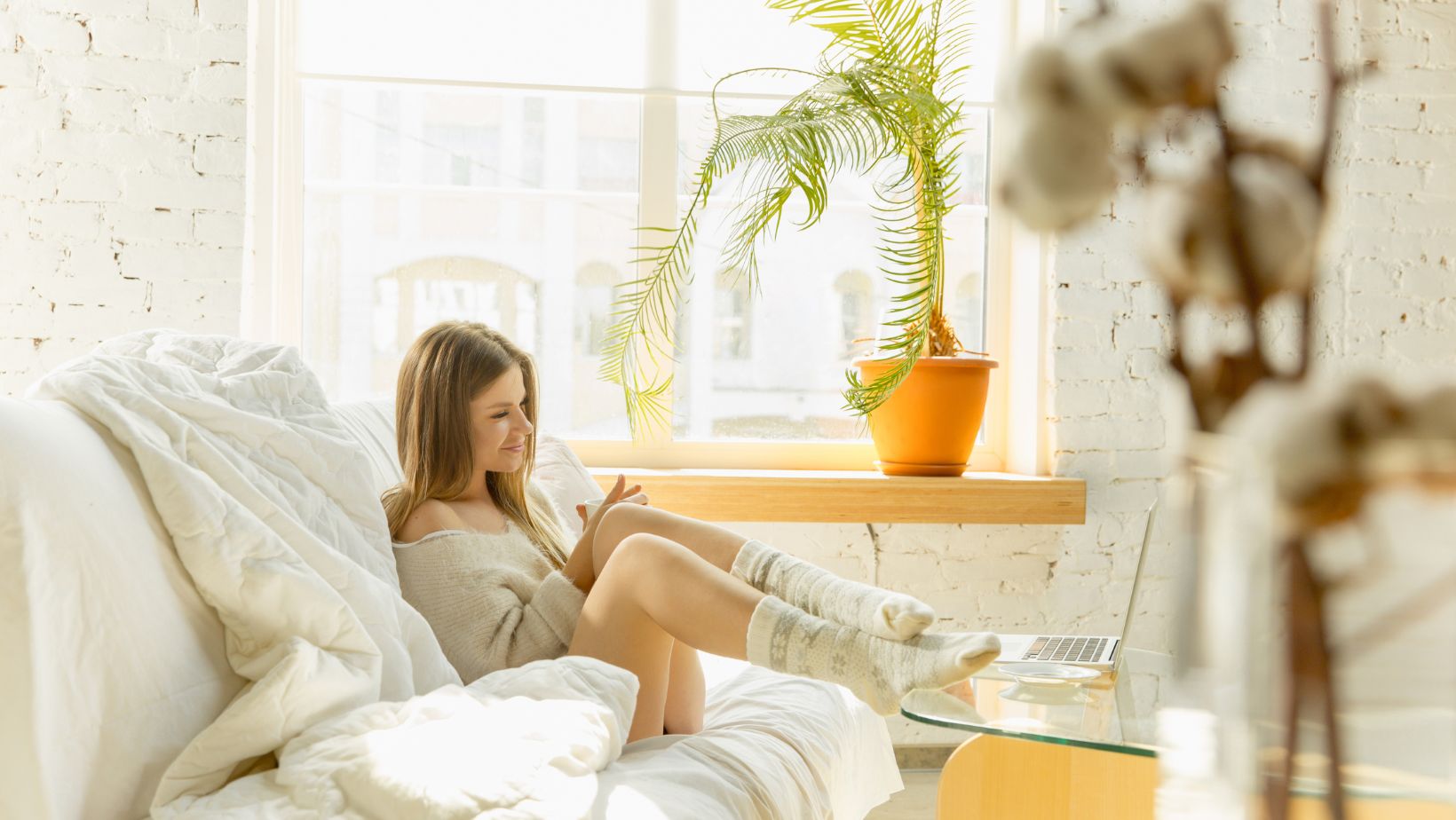
Sound matters too. Silence works for some, while others prefer gentle background noise such as nature sounds or instrumental music. The goal isn’t perfection, but consistency—training your mind to associate certain cues with rest and recovery.
Digital Wellness: Using Screens Without Stress
While excessive screen time is often criticized, the issue isn’t screens themselves—it’s how we use them. Mindless scrolling can increase anxiety, but intentional, time-limited digital activities can actually help relieve stress.
The key is setting boundaries. Choose activities that don’t involve constant decision-making or emotional intensity. Simple games, calming videos, or educational content can provide a mental pause without overstimulation. It also helps to decide in advance how long you’ll engage, preventing relaxation from turning into fatigue.
According to guidance shared by Harvard Health Publishing, structured relaxation and enjoyable low-pressure activities can lower stress hormones and support emotional balance when practiced regularly and in moderation.
Building Small Daily Rituals That Stick
One of the most effective ways to support mental health at home is by creating small, repeatable rituals. These don’t need to be time-consuming. A 10-minute routine done consistently is often more impactful than an hour-long practice that only happens once a week.
Consider pairing relaxation with an existing habit. For example, after dinner, you might spend a few minutes on a calming activity before checking messages. Over time, your brain begins to associate that part of the day with decompression.
It’s also important to allow flexibility. Some days you may feel like reading, other days you might prefer a light game or creative activity. Giving yourself permission to choose based on how you feel prevents relaxation from becoming another obligation.
Balance, Not Perfection
Wellness at home isn’t about eliminating stress entirely—that’s unrealistic. It’s about learning how to respond to stress in healthier ways. By creating a supportive environment, using digital tools intentionally, and building simple relaxation rituals, you can turn your home into a place that actively supports your well-being.
Ultimately, the goal is balance. When relaxation is woven naturally into daily life, it becomes easier to recharge, refocus, and show up with more energy for the things that matter most.
About The Author