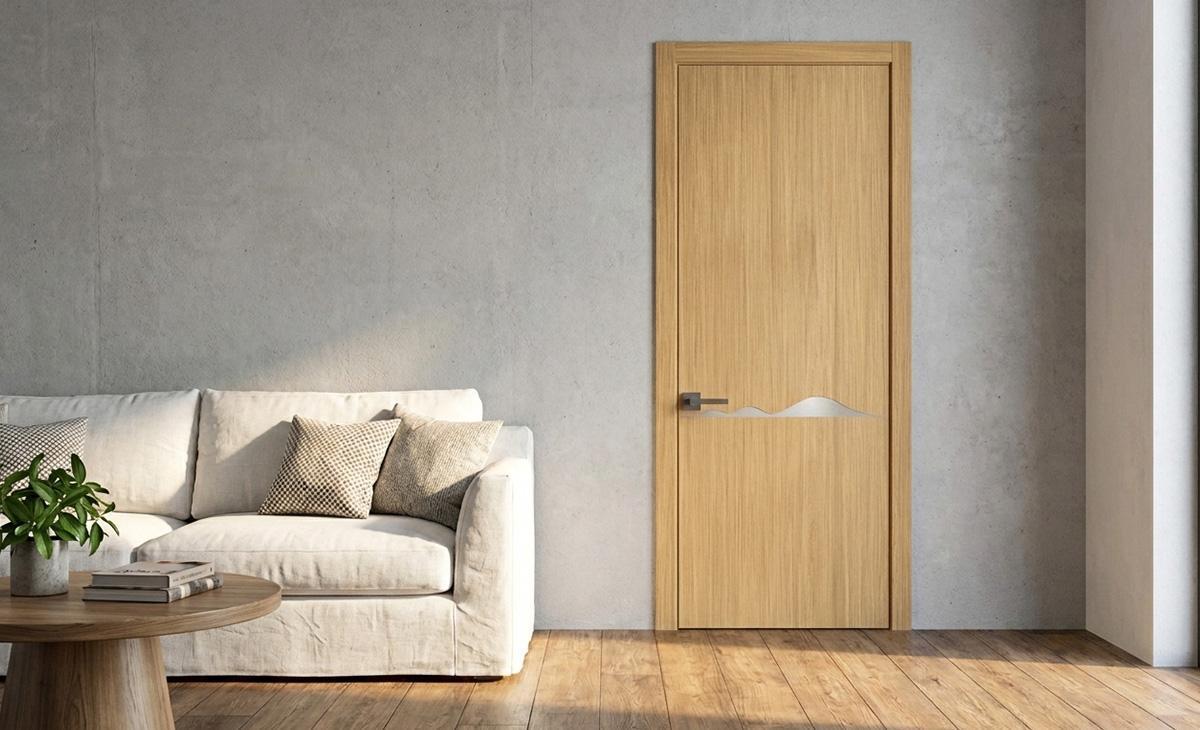
In the past, doors might have been seen as simple room dividers, but nowadays, they’ve become highly decorative solutions with important functions. In modern interior design, doors have become statement pieces that elevate a home’s aesthetic and provide excellent noise and air insulation.
If you’re choosing a door for your new home, or maybe you’re renovating, it’s important to remember that not all door types fit every room.
What Defines Modern Interior Doors?
While traditional doors often feature heavy moldings and raised panels, modern interior doors are defined by clean lines and neutral colors. They have minimal ornamentation, if any, and most homeowners choose a simple white or black color, or they opt for natural wood tones. When it comes to the material, most interior doors are made of MDF (Medium Density Fiberboard) and engineered wood. It’s become quite popular for doors to feature glass panels that let light pass through and add a modern touch.
Most popular trends in 2026 include doors with frames that sit flush with the wall, or they feature ‘invisible’ frames, which provide a seamless look. Concealed hinges and unobtrusive handles have also become a favorite. While traditional doors often featured a glossy finish, modern doors most often have a matte finish, which provides a sleek, non-reflective look.
Each room has a specific function, so it’s only logical that each room requires a different door type based on functionality and aesthetics. Let’s take a closer look at what door types are most suitable for each room in your home.
Choosing Modern Interior Doors for Each Room
A door is an important part of the overall interior design; its aesthetic can greatly influence the look and feel of a room. However, the door’s function remains the most essential factor in making the right choice.
Bedroom Doors
The top priority for bedrooms is privacy, comfort, and noise insulation. This means that a solid core flush door would be the best choice in terms of material and type, as it provides superior privacy and sound reduction.
Bedroom doors should offer a calming, serene environment, so most people choose a neutral finish and a minimalist design. To add a modern touch to your bedroom door, opt for warm natural wood color and matte black hardware.
Bathroom Doors
When it comes to bathroom doors, they should allow adequate light transmission and be highly moisture-resistant. While choosing moisture-resistant doors for your bathroom is important due to high humidity, it is also important to pay attention to overall quality. Flush doors made of waterproof engineered wood would be the best option as they offer discretion and functionality.
A modern bathroom door usually features slim aluminum or ‘invisible’ frames and large frosted glass panels that allow additional light transmission.
Living Room Doors
Living rooms are most often the center of a home, a place where friends and family gather, so they should provide effortless movement and light flow. Most modern living rooms feature minimalist interior door styles, like sliding doors.
To achieve an open look and increase natural light, we would recommend choosing steel-frame glass doors. If you want to add a modern touch, we advise looking for industrial-modern style interior doors, such as those with matte black steel frames.
Kitchen Doors
A kitchen door should be highly practical yet also support movement through the home. In most modern homes, kitchens have sliding doors or large glass panel doors, as they provide visual openness.
If you tend to keep your kitchen doors closed, we recommend opting for inconspicuous, visually light door styles, like pocket or French doors.
Home Office Doors
The majority of modern homes come with an obligatory home office. To achieve focus, concentration, and productivity, home office doors should offer excellent noise insulation, which a solid core flush door can provide.
A home office door should complement the overall interior design of the home while remaining understated to minimize visual clutter.
Closet Doors
A closet door’s main purpose is to be highly practical and space-efficient. Sliding and flush doors with push-to-open systems can provide full visibility when open, and a clean, inconspicuous look when closed.
To obtain a visually larger space, choose a closet door with a mirror or high-gloss finish, as they can provide excellent light reflection.
Materials for Modern Interior Doors
Material can be a deciding factor when choosing the right door for a certain room. If you’re looking for an affordable, durable door with a smooth finish, we recommend checking MDF doors; they can be an excellent choice for flush doors in bathrooms.
If your priority is superior sound insulation for your bedroom, bathroom, or home office, we advise you to check solid-core doors. Their heavy, dense construction offers a superior barrier ideal for privacy.
Glass doors are a perfect option for kitchens, living rooms, and dining rooms, as they create visual openness and better transmission of natural light. They can divide the space, while still brightening it and making it look bigger.
If you’re looking to purchase and install a new door, you will notice that the industrial-modern look is predominant. Black grid steel frames, minimalist hardware with matte finish, and metal accents are currently quite popular.
When choosing the material, start with the room’s practical needs, then narrow down options that align with your design. Quality door material can satisfy both functionality and aesthetics.
Space-Saving Solutions in Modern Homes
By choosing the right interior door configuration, you can significantly contribute to space efficiency. If your home lacks floor space, sliding doors such as pocket doors would be a lovely option since they provide a fully hidden look and don’t take up any space when open.
Sliding system doors generally require minimal hardware and maximize space utilization. They provide a practical solution that gives your home a neat, uncluttered look.
Conclusion
Choosing modern interior doors requires understanding what each space needs. Carefully consider your home layout and which door types would be possible to install in each room. Make a choice based on the room requirements and start with high-priority rooms like bedrooms and bathrooms. While a bedroom prioritizes privacy and sound control, the living room and kitchen should open up sightlines and elevate natural light flow.
By making conscientious choices about materials, such as solid core construction for bedrooms and home offices and moisture-resistant engineered wood for bathrooms, you can solve real problems each room faces. Choose doors that offer a functional solution first, then focus on modernizing your home by keeping the hardware to a minimum, maintaining clean lines, and adding finishes that complement one another. With a thoughtful door decision, you can easily upgrade your interior design and meet your practical needs.
About The Author